Zoning and Land Use Analysis

Zoning and Land Use Analysis

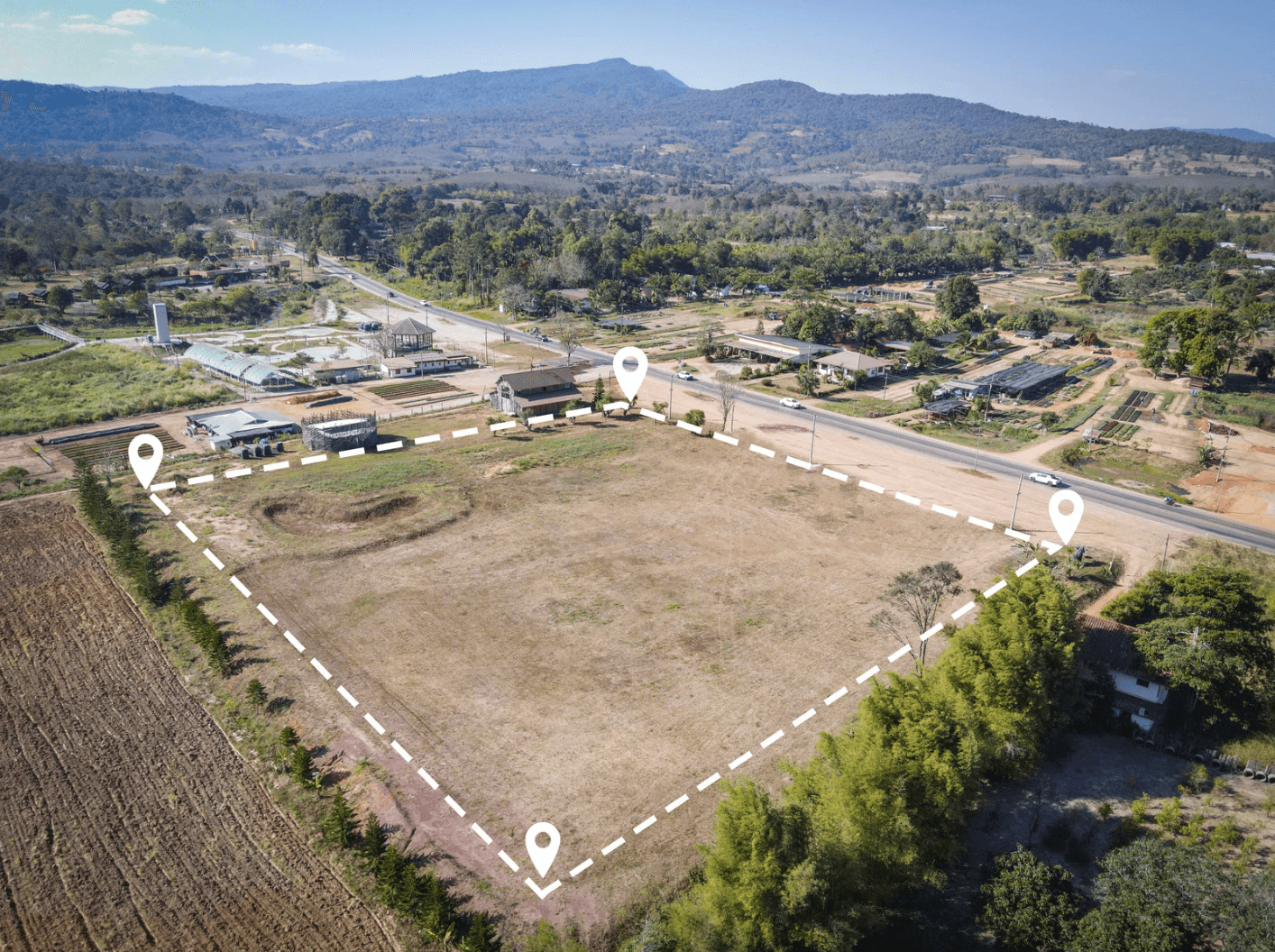
Before you commit to a property, understand what you can build there. Zoning determines what is permitted and what approvals you will need.
What is Zoning and Land Use Analysis?

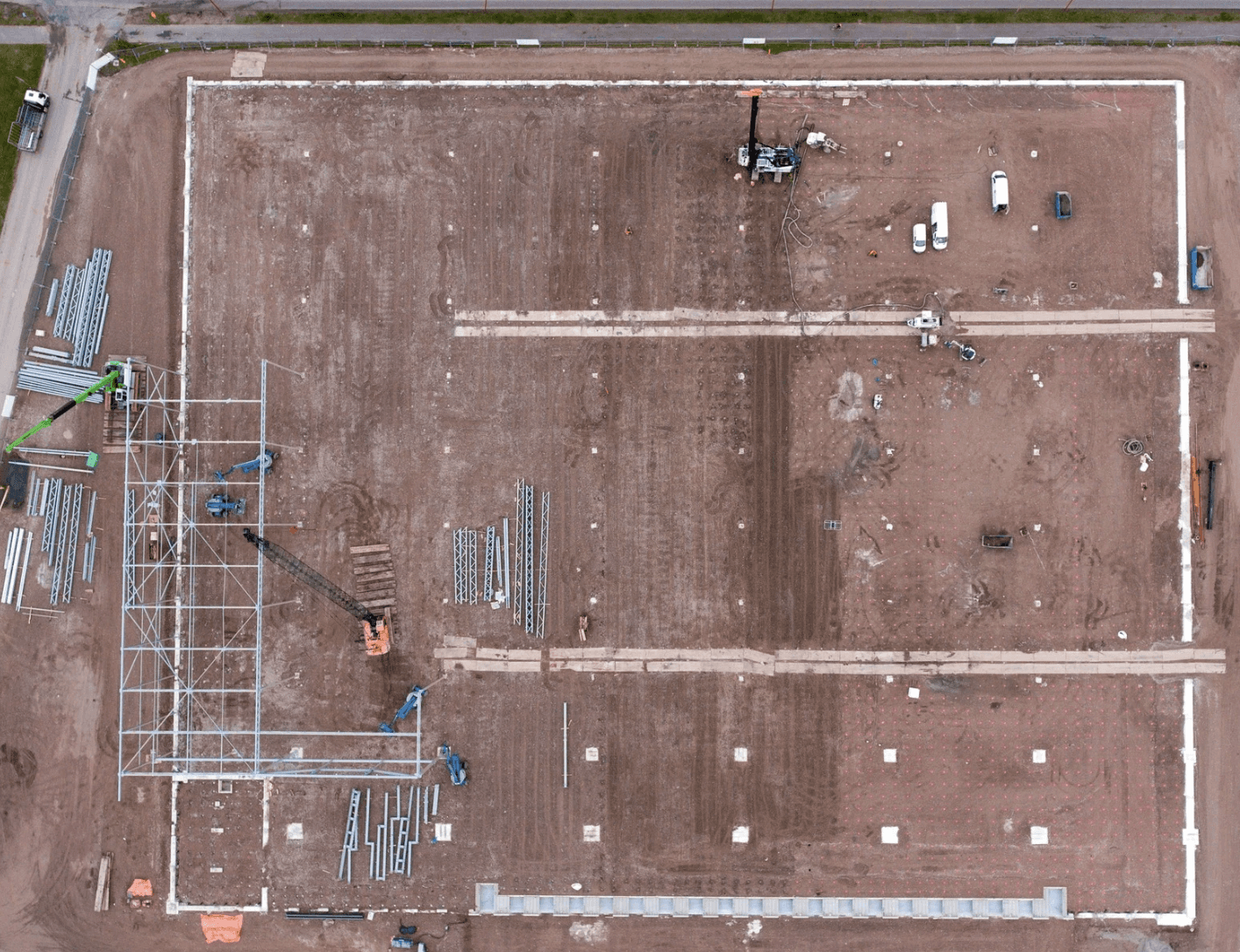
Zoning regulations control what types of activities can occur on a property and what kinds of structures can be built. Every municipality establishes its own zoning code, which means requirements vary significantly from one jurisdiction to another. What is permitted by right in one city may require special approval in the next. For manufacturing facilities, zoning analysis examines whether your intended use is permitted, what development standards apply to building size and placement, what restrictions exist for operations such as noise levels and operating hours, and what approvals you will need before construction can begin. International manufacturers often find U.S. zoning practices unfamiliar. Unlike many countries where land use is controlled at the national level, U.S. zoning is entirely local. Understanding local requirements early prevents costly surprises later in the project.

STEP BY STEP GUIDE

How Do Zoning and Land Use Analysis Works?

Zoning Classification Review

We identify the current zoning classification for your site and analyze what uses are permitted by right versus what requires special approval.

Zoning Classification Review

We identify the current zoning classification for your site and analyze what uses are permitted by right versus what requires special approval.

Zoning Classification Review

We identify the current zoning classification for your site and analyze what uses are permitted by right versus what requires special approval.

Development Standards Analysis

We document applicable standards for lot coverage, building height, setbacks, parking, landscaping, and any other requirements that affect your facility design.

Development Standards Analysis

We document applicable standards for lot coverage, building height, setbacks, parking, landscaping, and any other requirements that affect your facility design.

Development Standards Analysis

We document applicable standards for lot coverage, building height, setbacks, parking, landscaping, and any other requirements that affect your facility design.

Use Restrictions Review

We identify any restrictions on manufacturing operations such as hours of operation, outdoor storage, truck traffic, or emission limits that could affect how you use the property.

Use Restrictions Review

We identify any restrictions on manufacturing operations such as hours of operation, outdoor storage, truck traffic, or emission limits that could affect how you use the property.

Use Restrictions Review

We identify any restrictions on manufacturing operations such as hours of operation, outdoor storage, truck traffic, or emission limits that could affect how you use the property.

Approval Requirements

We manage communication with planning departments, environmental agencies, fire authorities, and inspectors throughout the review process.

Approval Requirements

We manage communication with planning departments, environmental agencies, fire authorities, and inspectors throughout the review process.

Approval Requirements

We manage communication with planning departments, environmental agencies, fire authorities, and inspectors throughout the review process.

Timeline and Risk Assessment

We estimate how long the approval process will take and identify any factors that could complicate or delay approvals.

Timeline and Risk Assessment

We estimate how long the approval process will take and identify any factors that could complicate or delay approvals.

How QBS Construction Helps

We navigate local zoning requirements so you understand what is possible before you commit to a property. Our relationships with local planning departments help us get accurate information quickly. When rezoning or variances are needed, we help you understand the process and timeline involved. For international clients, we explain how U.S. land use regulation works and what to expect from local approval processes.
Read Our Latest Insights

Dec 24, 2025

Texas Leads the Nation in Industrial Construction Growth

Texas is experiencing a significant surge in industrial development, with construction activity reaching record highs in the second quarter of 2025. According to CBRE, 47.8 million square feet of industrial space is currently under construction statewide, an increase of more than 10 million square feet from the previous quarter. Houston leads the expansion with 17.8 million square feet underway, followed closely by Dallas with 15.4 million square feet. The projects include a mix of warehouses, logistics centers, and large-scale industrial facilities, reflecting strong investor and developer confidence.

In Houston, developers are rapidly advancing new projects, reinforcing the city’s position as one of the most active industrial markets in the country. Leasing remains robust, with Colliers reporting 7.7 million square feet leased in the second quarter alone and construction activity up 84% year-over-year. Major corporations, including Foxconn, are investing heavily in the region, signaling continued market confidence and long-term growth potential.

Industrial expansion is also accelerating across other Texas metros such as San Marcos, Terrell, Irving, Grand Prairie, Socorro, and Mesquite. With Houston and Dallas driving much of the momentum, Texas has emerged as one of the most active industrial construction markets in the United States. The boom is fueled by e-commerce growth, population increases, and ongoing corporate relocations, positioning the state for sustained industrial strength through 2026.

Reference: https://www.constructionowners.com/news/texas-sees-industrial-construction-surge

Dec 24, 2025

Texas Leads the Nation in Industrial Construction Growth

Texas is experiencing a significant surge in industrial development, with construction activity reaching record highs in the second quarter of 2025. According to CBRE, 47.8 million square feet of industrial space is currently under construction statewide, an increase of more than 10 million square feet from the previous quarter. Houston leads the expansion with 17.8 million square feet underway, followed closely by Dallas with 15.4 million square feet. The projects include a mix of warehouses, logistics centers, and large-scale industrial facilities, reflecting strong investor and developer confidence.

In Houston, developers are rapidly advancing new projects, reinforcing the city’s position as one of the most active industrial markets in the country. Leasing remains robust, with Colliers reporting 7.7 million square feet leased in the second quarter alone and construction activity up 84% year-over-year. Major corporations, including Foxconn, are investing heavily in the region, signaling continued market confidence and long-term growth potential.

Industrial expansion is also accelerating across other Texas metros such as San Marcos, Terrell, Irving, Grand Prairie, Socorro, and Mesquite. With Houston and Dallas driving much of the momentum, Texas has emerged as one of the most active industrial construction markets in the United States. The boom is fueled by e-commerce growth, population increases, and ongoing corporate relocations, positioning the state for sustained industrial strength through 2026.

Reference: https://www.constructionowners.com/news/texas-sees-industrial-construction-surge

Dec 24, 2025

Texas Emerges as the Epicenter of America’s Industrial Construction Boom

Texas is undergoing an unprecedented wave of industrial construction, driven by a strong energy sector, federal incentives, and surging demand for high-tech and energy infrastructure. Federal programs such as the Inflation Reduction Act, the Infrastructure Investment and Jobs Act, and the CHIPS and Science Act have supercharged investment in semiconductor manufacturing, clean energy, and large-scale infrastructure projects. At the same time, advances in artificial intelligence, data processing, and cloud services have created significant demand for new data centers, which in turn rely heavily on Texas’ growing supply of electricity from natural gas, wind, and solar sources.

Semiconductor and high-tech manufacturing projects are leading the way. Construction contracts in Texas jumped from just $17 million between 2017 and 2019 to $15 billion in 2023, nearly 24 percent of all U.S. semiconductor construction. Major initiatives include Texas Instruments’ $30 billion multi-plant expansion in Sherman, GlobalWafers’ new $3.2 million-square-foot facility, and Samsung’s $17 billion plant in Taylor, with additional projects worth more than $40 billion in planning. Data center development is also surging, with construction rising from $870 million in 2017 to $6.8 billion in 2023. Texas captured 10 percent of national data center contracts thanks to its ample land, favorable regulations, relatively low-cost electricity, and established high-tech workforce.

Energy and petrochemical projects continue to anchor the boom. Houston was designated a federal hydrogen hub, attracting more than $1 billion in funding, while abundant natural gas continues to fuel new LNG facilities and petrochemical expansions such as OxyChem’s $1.1 billion plant addition in La Porte. These investments reinforce Texas’ role as both a low- and high-carbon energy leader. Supporting this growth, industrial construction wages in Texas reached nearly $48 per hour in 2023, almost 40 percent higher than the statewide average, reflecting strong demand for skilled labor.

Since mid-2022, Texas has attracted $289 billion in new construction contracts, representing 16.5 percent of the national total, with $165 billion in private projects announced and $78 billion of that dedicated to semiconductors. While challenges remain—including labor shortages, supply chain pressures, and uncertainty over future federal funding under the Trump administration—the scale of development already underway is historic. With its unique combination of energy resources, skilled workforce, and strategic location, Texas has firmly established itself as the epicenter of America’s post-pandemic industrial construction boom.

Reference: https://www.dallasfed.org/research/swe/2025/swe2501

Dec 24, 2025

Texas Emerges as the Epicenter of America’s Industrial Construction Boom

Texas is undergoing an unprecedented wave of industrial construction, driven by a strong energy sector, federal incentives, and surging demand for high-tech and energy infrastructure. Federal programs such as the Inflation Reduction Act, the Infrastructure Investment and Jobs Act, and the CHIPS and Science Act have supercharged investment in semiconductor manufacturing, clean energy, and large-scale infrastructure projects. At the same time, advances in artificial intelligence, data processing, and cloud services have created significant demand for new data centers, which in turn rely heavily on Texas’ growing supply of electricity from natural gas, wind, and solar sources.

Semiconductor and high-tech manufacturing projects are leading the way. Construction contracts in Texas jumped from just $17 million between 2017 and 2019 to $15 billion in 2023, nearly 24 percent of all U.S. semiconductor construction. Major initiatives include Texas Instruments’ $30 billion multi-plant expansion in Sherman, GlobalWafers’ new $3.2 million-square-foot facility, and Samsung’s $17 billion plant in Taylor, with additional projects worth more than $40 billion in planning. Data center development is also surging, with construction rising from $870 million in 2017 to $6.8 billion in 2023. Texas captured 10 percent of national data center contracts thanks to its ample land, favorable regulations, relatively low-cost electricity, and established high-tech workforce.

Energy and petrochemical projects continue to anchor the boom. Houston was designated a federal hydrogen hub, attracting more than $1 billion in funding, while abundant natural gas continues to fuel new LNG facilities and petrochemical expansions such as OxyChem’s $1.1 billion plant addition in La Porte. These investments reinforce Texas’ role as both a low- and high-carbon energy leader. Supporting this growth, industrial construction wages in Texas reached nearly $48 per hour in 2023, almost 40 percent higher than the statewide average, reflecting strong demand for skilled labor.

Since mid-2022, Texas has attracted $289 billion in new construction contracts, representing 16.5 percent of the national total, with $165 billion in private projects announced and $78 billion of that dedicated to semiconductors. While challenges remain—including labor shortages, supply chain pressures, and uncertainty over future federal funding under the Trump administration—the scale of development already underway is historic. With its unique combination of energy resources, skilled workforce, and strategic location, Texas has firmly established itself as the epicenter of America’s post-pandemic industrial construction boom.

Reference: https://www.dallasfed.org/research/swe/2025/swe2501

Dec 24, 2025

Q3 2024 Report: Houston’s Booming Industrial Real Estate Sector

Houston’s industrial market is booming, fueled by large-scale investments and significant leasing activity. In the third quarter of 2024, the city saw nearly 6.2 million square feet of net absorption, raising the year-to-date total leased space to 16.3 million square feet—a four percent increase over last year. New supply is also growing, with 3.3 million square feet delivered this quarter and major developments underway, especially in the southeast and southwest submarkets. Notable projects include Palmer Logistics’ new 616,700-square-foot facility in Baytown, Trammell Crow’s 1.35 million-square-foot Blue Ridge Commerce Center in Fort Bend County, and Liberty Development Partners’ expansion of Gulf Inland Logistics Park to nearly 4,000 acres.

Additionally, major firms like Prologis, Partner Capital, and Avera Companies are planning millions of square feet in new space near key transport hubs like the Houston Ship Channel and George Bush Intercontinental Airport. Large logistics projects are also underway, including Grainger’s 1.2 million-square-foot distribution center in Hockley and BroadRange Logistics’ lease of the Northport Logistics Center. Despite low vacancy rates, CBRE reports continued
strong demand and steady growth expected into 2025 and beyond.

The growth across Houston’s industrial market, especially around logistics corridors like the Ship Channel and Intercontinental Airport, signals robust opportunities for manufacturers and logistics operators. For companies considering relocation or expansion in Texas, QBS offers end-to-end consulting services—from site selection and permitting to facility construction.

Reference:
https://www.houston.org/news/houstons-industrial-market-experiencing-growth-new-developmen
ts-and-leases

Dec 24, 2025

Q3 2024 Report: Houston’s Booming Industrial Real Estate Sector

Houston’s industrial market is booming, fueled by large-scale investments and significant leasing activity. In the third quarter of 2024, the city saw nearly 6.2 million square feet of net absorption, raising the year-to-date total leased space to 16.3 million square feet—a four percent increase over last year. New supply is also growing, with 3.3 million square feet delivered this quarter and major developments underway, especially in the southeast and southwest submarkets. Notable projects include Palmer Logistics’ new 616,700-square-foot facility in Baytown, Trammell Crow’s 1.35 million-square-foot Blue Ridge Commerce Center in Fort Bend County, and Liberty Development Partners’ expansion of Gulf Inland Logistics Park to nearly 4,000 acres.

Additionally, major firms like Prologis, Partner Capital, and Avera Companies are planning millions of square feet in new space near key transport hubs like the Houston Ship Channel and George Bush Intercontinental Airport. Large logistics projects are also underway, including Grainger’s 1.2 million-square-foot distribution center in Hockley and BroadRange Logistics’ lease of the Northport Logistics Center. Despite low vacancy rates, CBRE reports continued
strong demand and steady growth expected into 2025 and beyond.

The growth across Houston’s industrial market, especially around logistics corridors like the Ship Channel and Intercontinental Airport, signals robust opportunities for manufacturers and logistics operators. For companies considering relocation or expansion in Texas, QBS offers end-to-end consulting services—from site selection and permitting to facility construction.

Reference:
https://www.houston.org/news/houstons-industrial-market-experiencing-growth-new-developmen
ts-and-leases

Dec 24, 2025

Texas 2025: Building the Future – Booming Construction, Bold Investments, and Emerging Challenges

In 2025, Texas’s construction industry is driving unprecedented economic growth, powered by a surge of new residents, major business relocations, and transformative investments in technology and infrastructure. Landmark projects like Samsung’s $17 billion semiconductor facility in Taylor, the $288 million QTS DFW2-DC1 data center in Fort Worth, and the $1.1 billion Sequoia Solar Project west of Dallas highlight the state’s rapid evolution into a national leader in manufacturing, energy, and digital infrastructure. Across key hubs like Dallas-Fort Worth, Austin, San Antonio, and the Gulf Coast, Texas is building the foundation for sustained prosperity, fueled by both public and private investment.

Yet, this explosive expansion brings critical challenges. Strained power grids, water resources, and a shortage of skilled labor threaten to slow progress. To address these issues, Texas established the $5.38 billion Texas Energy Fund to boost grid capacity with new natural gas-fired plants and is encouraging renewable energy investments like Sequoia Solar. Innovative tech-led solutions—such as advanced cooling systems developed at the University of Texas—are helping high-demand facilities cut energy use. Meanwhile, workforce development initiatives aim to close the skilled labor gap, ensuring Texas can maintain its momentum while building a more resilient and sustainable future.

Reference: https://www.tradestarinc.com/2025/01/06/texas-construction-in-2025-trends-and-challenges/

Dec 24, 2025

Texas 2025: Building the Future – Booming Construction, Bold Investments, and Emerging Challenges

In 2025, Texas’s construction industry is driving unprecedented economic growth, powered by a surge of new residents, major business relocations, and transformative investments in technology and infrastructure. Landmark projects like Samsung’s $17 billion semiconductor facility in Taylor, the $288 million QTS DFW2-DC1 data center in Fort Worth, and the $1.1 billion Sequoia Solar Project west of Dallas highlight the state’s rapid evolution into a national leader in manufacturing, energy, and digital infrastructure. Across key hubs like Dallas-Fort Worth, Austin, San Antonio, and the Gulf Coast, Texas is building the foundation for sustained prosperity, fueled by both public and private investment.

Yet, this explosive expansion brings critical challenges. Strained power grids, water resources, and a shortage of skilled labor threaten to slow progress. To address these issues, Texas established the $5.38 billion Texas Energy Fund to boost grid capacity with new natural gas-fired plants and is encouraging renewable energy investments like Sequoia Solar. Innovative tech-led solutions—such as advanced cooling systems developed at the University of Texas—are helping high-demand facilities cut energy use. Meanwhile, workforce development initiatives aim to close the skilled labor gap, ensuring Texas can maintain its momentum while building a more resilient and sustainable future.

Reference: https://www.tradestarinc.com/2025/01/06/texas-construction-in-2025-trends-and-challenges/

Frequently Asked Questions

What if the property is not zoned for manufacturing?

How long does rezoning take?

What are setback requirements?

Can zoning restrictions be waived or modified?

Do zoning requirements change over time?

Ready to Begin Your U.S. Expansion?

Contact QBS Construction Group to discuss your project requirements. Our  team will evaluate your needs and present solutions tailored to your objectives and timeline.

Contact

16001 Park Ten Place, ste. 200

Houston, TX 77084

Email: info@qbsus.com

Phone: +1-832-718-7777

Designed and maintained by

Site&Sold

Ready to Begin Your U.S. Expansion?

Contact QBS Construction Group to discuss your project requirements. Our  team will evaluate your needs and present solutions tailored to your objectives and timeline.
Contact

16001 Park Ten Place, ste. 200

Houston, TX 77084

Email: info@qbsus.com

Phone: +1-832-718-7777

Designed and maintained by

Site&Sold

Ready to Begin Your U.S. Expansion?

Contact QBS Construction Group to discuss your project requirements. Our  team will evaluate your needs and present solutions tailored to your objectives and timeline.

Contact

16001 Park Ten Place, ste. 200

Houston, TX 77084

Email: info@qbsus.com

Phone: +1-832-718-7777

Designed and maintained by

Site&Sold