


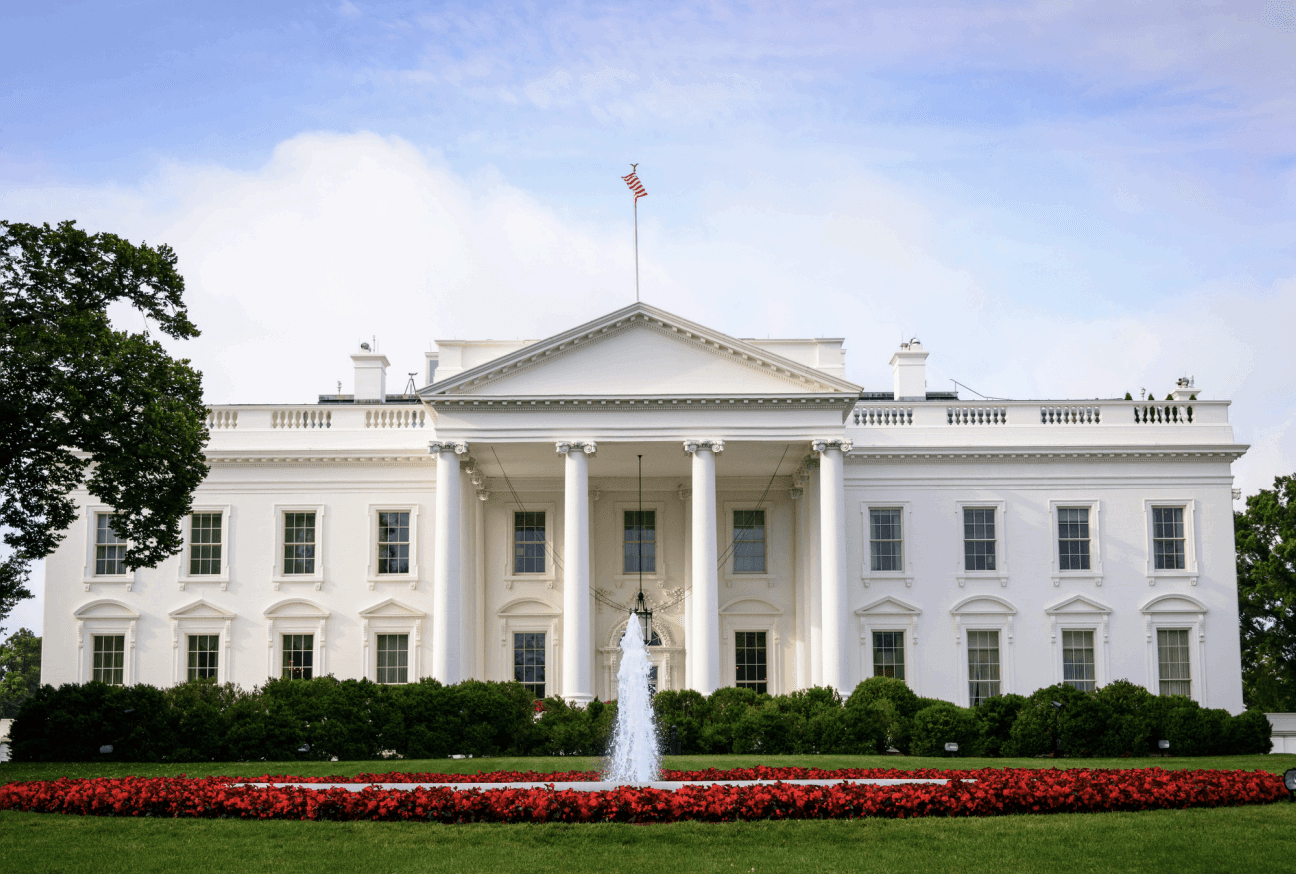


President-elect Trump has introduced “Agenda 47”, a comprehensive policy framework aimed at addressing key issues such as economic recovery, border security, education reform, and national defense. The framework includes 20 commitments designed to tackle current major challenges and provide practical solutions for building a stronger and safer nation.
Key Promises of Agenda 47
Seal the border, and stop the migrant invasion
Carry out the largest deportation operation in American history
End inflation, and make America affordable again
Make America the dominant energy producer in the world, by far!
Stop outsourcing, and turn the United States into a manufacturing superpower
Large tax cuts for workers, and no tax on tips!
Defend our constitution, our bill of rights, and our fundamental freedoms, including freedom of speech, freedom of religion, and the right to keep and bear arms
Prevent World War Three, restore peace in Europe and the Middle East, and build a great iron dome missile defense shield over our entire country—all made in America
End the weaponization of government against the American people
Stop the migrant crime epidemic, demolish the foreign drug cartels, crush gang violence, and lock up violent offenders
Rebuild our cities, including Washington, D.C., making them safe, clean, and beautiful again
Strengthen and modernize our military, making it, without question, the strongest and most powerful in the world
Keep the U.S. dollar as the world’s reserve currency
Fight for and protect Social Security and Medicare with no cuts, including no changes to the retirement age
Cancel the electric vehicle mandate and cut costly and burdensome regulations
Cut federal funding for any school pushing critical race theory, radical gender ideology, and other inappropriate racial, sexual, or political content on our children
Keep men out of women’s sports
Deport pro-Hamas radicals and make our college campuses safe and patriotic again
Secure our elections, including same-day voting, voter identification, paper ballots, and proof of citizenship
Unite our country by bringing it to new and record levels of success
10 Strategic Focus Areas
These commitments are further supported by 10 chapters of the GOP’s Platform, covering key areas such as combating inflation, rebuilding the economy, improving education, and restoring national security. The main contents include:
1. Economic Revitalization
Drive innovation, reduce regulations, and cut taxes.
2. Border Security
Enforce strict immigration laws and prioritize legal immigration systems.
3. Affordable Living
Tackle housing, healthcare, and education affordability.
4. Manufacturing and Trade
Repatriate supply chains and secure trade independence.
5. Social Security Protection
Strengthen support systems for seniors.
6. Education Reform
Ensure schools are safe, drug-free, and promote values like civics and parental rights.
7. Urban Renewal
Rebuild cities, restore law and order, and enhance infrastructure.
8. Governance Reform
Combat government overreach and ensure election integrity.
9. Military Modernization
Enhance defense capabilities and alliances.
10. Global Stability
Maintain peace through strength and protect national interests.
Looking Ahead
Agenda 47 presents a bold and comprehensive vision for tackling the nation’s most pressing challenges. By prioritizing economic recovery, secure borders, educational reform, and national defense, it sets a foundation for a stronger, safer, and more united America.
President-elect Trump has introduced “Agenda 47”, a comprehensive policy framework aimed at addressing key issues such as economic recovery, border security, education reform, and national defense. The framework includes 20 commitments designed to tackle current major challenges and provide practical solutions for building a stronger and safer nation.
Key Promises of Agenda 47
Seal the border, and stop the migrant invasion
Carry out the largest deportation operation in American history
End inflation, and make America affordable again
Make America the dominant energy producer in the world, by far!
Stop outsourcing, and turn the United States into a manufacturing superpower
Large tax cuts for workers, and no tax on tips!
Defend our constitution, our bill of rights, and our fundamental freedoms, including freedom of speech, freedom of religion, and the right to keep and bear arms
Prevent World War Three, restore peace in Europe and the Middle East, and build a great iron dome missile defense shield over our entire country—all made in America
End the weaponization of government against the American people
Stop the migrant crime epidemic, demolish the foreign drug cartels, crush gang violence, and lock up violent offenders
Rebuild our cities, including Washington, D.C., making them safe, clean, and beautiful again
Strengthen and modernize our military, making it, without question, the strongest and most powerful in the world
Keep the U.S. dollar as the world’s reserve currency
Fight for and protect Social Security and Medicare with no cuts, including no changes to the retirement age
Cancel the electric vehicle mandate and cut costly and burdensome regulations
Cut federal funding for any school pushing critical race theory, radical gender ideology, and other inappropriate racial, sexual, or political content on our children
Keep men out of women’s sports
Deport pro-Hamas radicals and make our college campuses safe and patriotic again
Secure our elections, including same-day voting, voter identification, paper ballots, and proof of citizenship
Unite our country by bringing it to new and record levels of success
10 Strategic Focus Areas
These commitments are further supported by 10 chapters of the GOP’s Platform, covering key areas such as combating inflation, rebuilding the economy, improving education, and restoring national security. The main contents include:
1. Economic Revitalization
Drive innovation, reduce regulations, and cut taxes.
2. Border Security
Enforce strict immigration laws and prioritize legal immigration systems.
3. Affordable Living
Tackle housing, healthcare, and education affordability.
4. Manufacturing and Trade
Repatriate supply chains and secure trade independence.
5. Social Security Protection
Strengthen support systems for seniors.
6. Education Reform
Ensure schools are safe, drug-free, and promote values like civics and parental rights.
7. Urban Renewal
Rebuild cities, restore law and order, and enhance infrastructure.
8. Governance Reform
Combat government overreach and ensure election integrity.
9. Military Modernization
Enhance defense capabilities and alliances.
10. Global Stability
Maintain peace through strength and protect national interests.
Looking Ahead
Agenda 47 presents a bold and comprehensive vision for tackling the nation’s most pressing challenges. By prioritizing economic recovery, secure borders, educational reform, and national defense, it sets a foundation for a stronger, safer, and more united America.
Published on:
February 26, 2025
Other Related Articles


Ready to Build Your Next American Facility?
Contact QBS Consulting Group to discuss your manufacturing objectives.


Designed and maintained by
Site&Sold
Ready to Build Your Next American Facility?
Contact QBS Consulting Group to discuss your manufacturing objectives.
Designed and maintained by
Site&Sold
Ready to Build Your Next American Facility?
Contact QBS Consulting Group to discuss your manufacturing objectives.
Designed and maintained by
Site&Sold