News And Insights

Hot off the Press

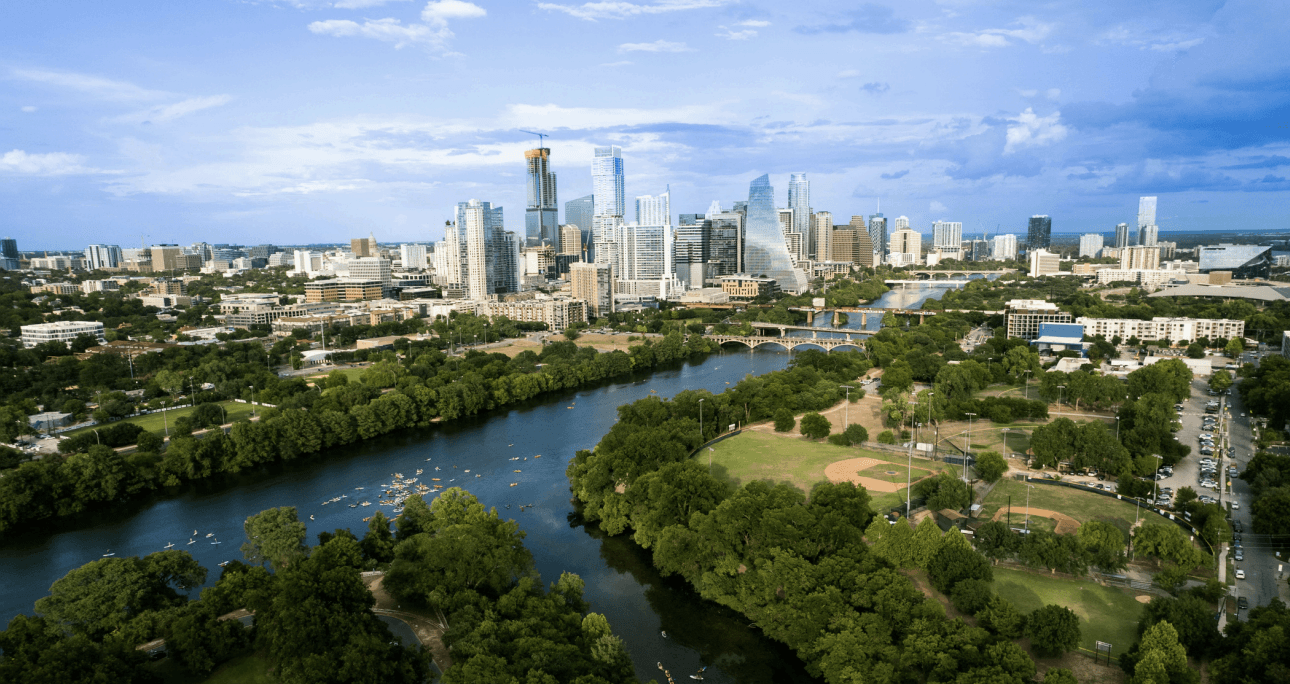
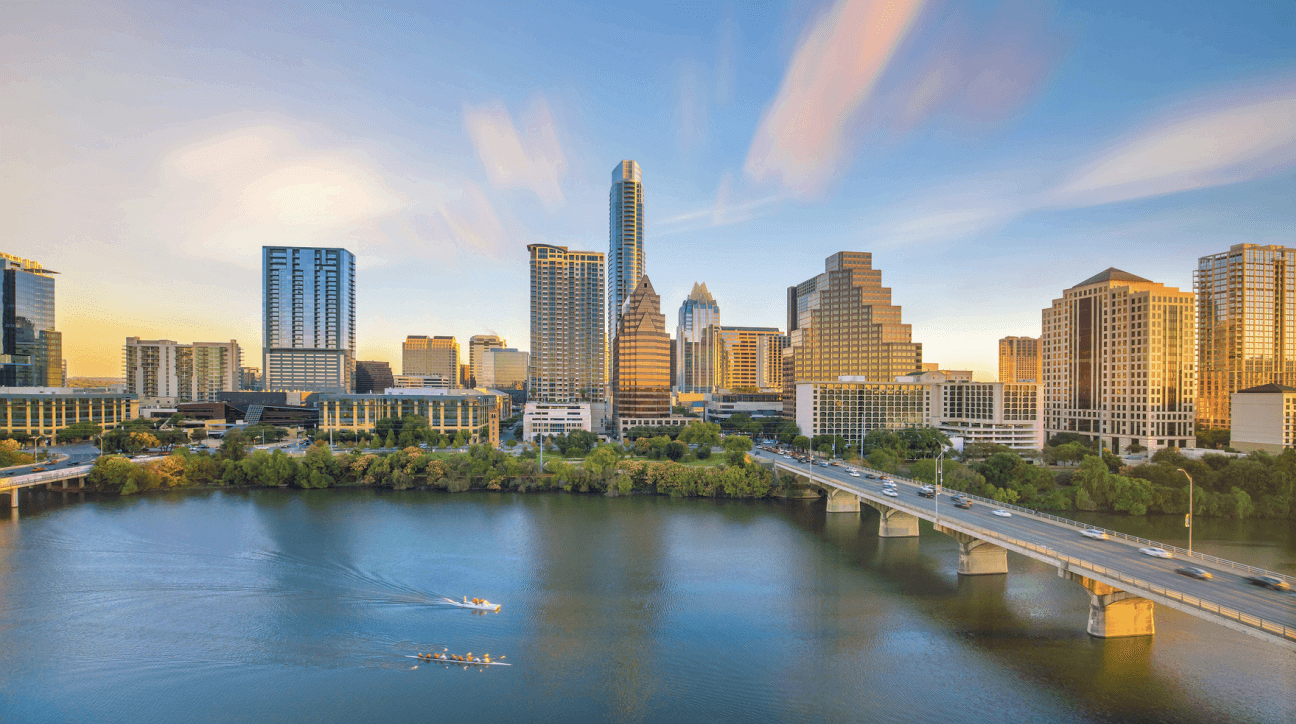
Austin’s Economy Holds Strong: Record VC Funding, Steady Consumer Activity, and Cooling Inflation in 2025

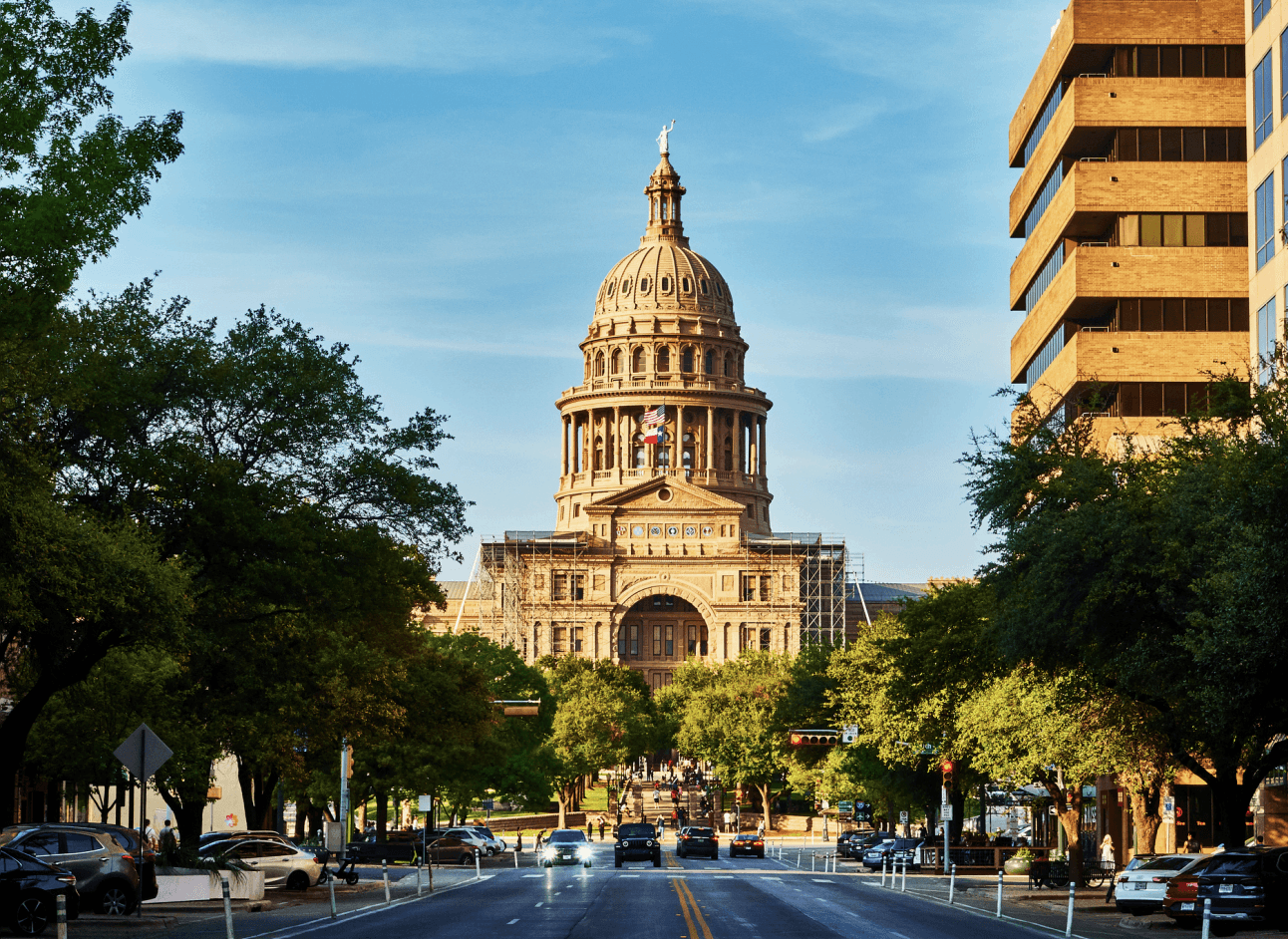
Austin’s November economic update is shorter than usual due to limited federal data releases during the government shutdown, but several key local indicators still highlight strong regional performance. Venture capital investment is a major bright spot: Austin companies raised a record $3.2B in Q3 2025 and $6.8B year-to-date, ranking fifth nationwide and nearly surpassing the city’s best year on record. Patent activity remains strong, with Austin inventors contributing about 30% of statewide patents despite representing only 8% of Texas’s population. Airport traffic also shows resilience, with August marking the third-busiest August ever and passenger counts rising year-over-year, despite slight declines in year-to-date totals. Meanwhile, sales tax receipts show mixed results, with Austin slightly down YTD and surrounding cities showing varied performance, while statewide collections remain up.

In the housing market, Austin home sales remain below 2021 peaks but show slight improvement, with September 2025 sales up 16% year-over-year, even as year-to-date totals remain marginally lower than last year. Average home prices dipped from the previous year but remain relatively stable overall. Cargo activity at the Austin airport has softened in 2025 after hitting a record high in 2022, while inflation continues to cool from its 2022 peak. National CPI rose 3.0% year-over-year in September, with energy, medical services, shelter, and food driving increases; regional inflation in Dallas and Houston remains below national averages. Together, these indicators illustrate an economy with strong innovation investment and steady consumer activity, despite uneven trends in housing, cargo, and tax revenue.

MENU

All Articles

Practical guidance for building, expanding, and operating in the U.S.

Jan 2, 2026

Industrial Market Trends 2024

As we approach 2024, the manufacturing industry is facing a period of uncertainty despite some recovery from the pandemic. In this context, 86% of executives view smart factory solutions as critical for the industry’s success. These solutions leverage cutting-edge technologies such as the Internet of Things (IoT), artificial intelligence (AI), and big data analytics to optimize production processes and enhance the overall efficiency of manufacturing operations. However, the adoption of these solutions is not without its challenges. One of the major roadblocks is the shortage of skilled labor, which can hinder the implementation of smart factory solutions and limit their potential impact. Therefore, companies need to invest in training and educating their workforce to leverage these technologies effectively. By doing so, they can ensure that they remain competitive in an ever-evolving landscape and continue to deliver value to their customers.

By embracing smart technology, promoting sustainable practices, and forging strategic partnerships, we can effectively address the challenges related to labor and economic stability. It is important that we remain optimistic and confident in our approach, as this is the key to achieving success in our endeavors.

Digital technology is crucial for manufacturing, addressing pandemic challenges. This involves: 

  1. Enhanced capabilities: Automation, AI, and machine learning improve productivity and quality. Vision systems and connected sensors boost performance. 

  2. Scalability and profit: Investing in digital tech ensures long-term profitability. Delaying upgrades risks falling behind. 

  3. Ongoing investment: Manufacturers see benefits and commit to staying competitive, enhancing productivity, and quality through digital investments. 

Supply chain issues post-pandemic persist. Strategies for improvement: 

  1. Strengthen supplier relationships. 

  2. Consider local sourcing to reduce dependence on international suppliers. 3. Embrace supply chain technology for efficiency and real-time insights. 

Attracting and retaining skilled workers is a challenge for manufacturers. Here are effective approaches: 

  1. Competitive wages: Offer higher salaries and attractive raises to bridge the skills gap and attract talent. 

  2. Upskilling and reskilling: Invest in training to help current employees adapt to new technology, boosting loyalty and value. 

  3. Positive workplace culture: Provide perks and foster a supportive environment to enhance morale and retention. 

  4. Diversity initiatives: Support all demographics to improve workforce effectiveness. 

Citation: 

https://www.advancedtech.com/

Jan 2, 2026

Industrial Market Trends 2024

As we approach 2024, the manufacturing industry is facing a period of uncertainty despite some recovery from the pandemic. In this context, 86% of executives view smart factory solutions as critical for the industry’s success. These solutions leverage cutting-edge technologies such as the Internet of Things (IoT), artificial intelligence (AI), and big data analytics to optimize production processes and enhance the overall efficiency of manufacturing operations. However, the adoption of these solutions is not without its challenges. One of the major roadblocks is the shortage of skilled labor, which can hinder the implementation of smart factory solutions and limit their potential impact. Therefore, companies need to invest in training and educating their workforce to leverage these technologies effectively. By doing so, they can ensure that they remain competitive in an ever-evolving landscape and continue to deliver value to their customers.

By embracing smart technology, promoting sustainable practices, and forging strategic partnerships, we can effectively address the challenges related to labor and economic stability. It is important that we remain optimistic and confident in our approach, as this is the key to achieving success in our endeavors.

Digital technology is crucial for manufacturing, addressing pandemic challenges. This involves: 

  1. Enhanced capabilities: Automation, AI, and machine learning improve productivity and quality. Vision systems and connected sensors boost performance. 

  2. Scalability and profit: Investing in digital tech ensures long-term profitability. Delaying upgrades risks falling behind. 

  3. Ongoing investment: Manufacturers see benefits and commit to staying competitive, enhancing productivity, and quality through digital investments. 

Supply chain issues post-pandemic persist. Strategies for improvement: 

  1. Strengthen supplier relationships. 

  2. Consider local sourcing to reduce dependence on international suppliers. 3. Embrace supply chain technology for efficiency and real-time insights. 

Attracting and retaining skilled workers is a challenge for manufacturers. Here are effective approaches: 

  1. Competitive wages: Offer higher salaries and attractive raises to bridge the skills gap and attract talent. 

  2. Upskilling and reskilling: Invest in training to help current employees adapt to new technology, boosting loyalty and value. 

  3. Positive workplace culture: Provide perks and foster a supportive environment to enhance morale and retention. 

  4. Diversity initiatives: Support all demographics to improve workforce effectiveness. 

Citation: 

https://www.advancedtech.com/

Jan 2, 2026

Industrial Market Trends 2024

As we approach 2024, the manufacturing industry is facing a period of uncertainty despite some recovery from the pandemic. In this context, 86% of executives view smart factory solutions as critical for the industry’s success. These solutions leverage cutting-edge technologies such as the Internet of Things (IoT), artificial intelligence (AI), and big data analytics to optimize production processes and enhance the overall efficiency of manufacturing operations. However, the adoption of these solutions is not without its challenges. One of the major roadblocks is the shortage of skilled labor, which can hinder the implementation of smart factory solutions and limit their potential impact. Therefore, companies need to invest in training and educating their workforce to leverage these technologies effectively. By doing so, they can ensure that they remain competitive in an ever-evolving landscape and continue to deliver value to their customers.

By embracing smart technology, promoting sustainable practices, and forging strategic partnerships, we can effectively address the challenges related to labor and economic stability. It is important that we remain optimistic and confident in our approach, as this is the key to achieving success in our endeavors.

Digital technology is crucial for manufacturing, addressing pandemic challenges. This involves: 

  1. Enhanced capabilities: Automation, AI, and machine learning improve productivity and quality. Vision systems and connected sensors boost performance. 

  2. Scalability and profit: Investing in digital tech ensures long-term profitability. Delaying upgrades risks falling behind. 

  3. Ongoing investment: Manufacturers see benefits and commit to staying competitive, enhancing productivity, and quality through digital investments. 

Supply chain issues post-pandemic persist. Strategies for improvement: 

  1. Strengthen supplier relationships. 

  2. Consider local sourcing to reduce dependence on international suppliers. 3. Embrace supply chain technology for efficiency and real-time insights. 

Attracting and retaining skilled workers is a challenge for manufacturers. Here are effective approaches: 

  1. Competitive wages: Offer higher salaries and attractive raises to bridge the skills gap and attract talent. 

  2. Upskilling and reskilling: Invest in training to help current employees adapt to new technology, boosting loyalty and value. 

  3. Positive workplace culture: Provide perks and foster a supportive environment to enhance morale and retention. 

  4. Diversity initiatives: Support all demographics to improve workforce effectiveness. 

Citation: 

https://www.advancedtech.com/

Dec 24, 2025

Austin’s Economy Holds Strong: Record VC Funding, Steady Consumer Activity, and Cooling Inflation in 2025

Austin’s November economic update is shorter than usual due to limited federal data releases during the government shutdown, but several key local indicators still highlight strong regional performance. Venture capital investment is a major bright spot: Austin companies raised a record $3.2B in Q3 2025 and $6.8B year-to-date, ranking fifth nationwide and nearly surpassing the city’s best year on record. Patent activity remains strong, with Austin inventors contributing about 30% of statewide patents despite representing only 8% of Texas’s population. Airport traffic also shows resilience, with August marking the third-busiest August ever and passenger counts rising year-over-year, despite slight declines in year-to-date totals. Meanwhile, sales tax receipts show mixed results, with Austin slightly down YTD and surrounding cities showing varied performance, while statewide collections remain up.

In the housing market, Austin home sales remain below 2021 peaks but show slight improvement, with September 2025 sales up 16% year-over-year, even as year-to-date totals remain marginally lower than last year. Average home prices dipped from the previous year but remain relatively stable overall. Cargo activity at the Austin airport has softened in 2025 after hitting a record high in 2022, while inflation continues to cool from its 2022 peak. National CPI rose 3.0% year-over-year in September, with energy, medical services, shelter, and food driving increases; regional inflation in Dallas and Houston remains below national averages. Together, these indicators illustrate an economy with strong innovation investment and steady consumer activity, despite uneven trends in housing, cargo, and tax revenue.

Dec 24, 2025

Austin’s Economy Holds Strong: Record VC Funding, Steady Consumer Activity, and Cooling Inflation in 2025

Austin’s November economic update is shorter than usual due to limited federal data releases during the government shutdown, but several key local indicators still highlight strong regional performance. Venture capital investment is a major bright spot: Austin companies raised a record $3.2B in Q3 2025 and $6.8B year-to-date, ranking fifth nationwide and nearly surpassing the city’s best year on record. Patent activity remains strong, with Austin inventors contributing about 30% of statewide patents despite representing only 8% of Texas’s population. Airport traffic also shows resilience, with August marking the third-busiest August ever and passenger counts rising year-over-year, despite slight declines in year-to-date totals. Meanwhile, sales tax receipts show mixed results, with Austin slightly down YTD and surrounding cities showing varied performance, while statewide collections remain up.

In the housing market, Austin home sales remain below 2021 peaks but show slight improvement, with September 2025 sales up 16% year-over-year, even as year-to-date totals remain marginally lower than last year. Average home prices dipped from the previous year but remain relatively stable overall. Cargo activity at the Austin airport has softened in 2025 after hitting a record high in 2022, while inflation continues to cool from its 2022 peak. National CPI rose 3.0% year-over-year in September, with energy, medical services, shelter, and food driving increases; regional inflation in Dallas and Houston remains below national averages. Together, these indicators illustrate an economy with strong innovation investment and steady consumer activity, despite uneven trends in housing, cargo, and tax revenue.

Dec 24, 2025

Austin’s Economy Holds Strong: Record VC Funding, Steady Consumer Activity, and Cooling Inflation in 2025

Austin’s November economic update is shorter than usual due to limited federal data releases during the government shutdown, but several key local indicators still highlight strong regional performance. Venture capital investment is a major bright spot: Austin companies raised a record $3.2B in Q3 2025 and $6.8B year-to-date, ranking fifth nationwide and nearly surpassing the city’s best year on record. Patent activity remains strong, with Austin inventors contributing about 30% of statewide patents despite representing only 8% of Texas’s population. Airport traffic also shows resilience, with August marking the third-busiest August ever and passenger counts rising year-over-year, despite slight declines in year-to-date totals. Meanwhile, sales tax receipts show mixed results, with Austin slightly down YTD and surrounding cities showing varied performance, while statewide collections remain up.

In the housing market, Austin home sales remain below 2021 peaks but show slight improvement, with September 2025 sales up 16% year-over-year, even as year-to-date totals remain marginally lower than last year. Average home prices dipped from the previous year but remain relatively stable overall. Cargo activity at the Austin airport has softened in 2025 after hitting a record high in 2022, while inflation continues to cool from its 2022 peak. National CPI rose 3.0% year-over-year in September, with energy, medical services, shelter, and food driving increases; regional inflation in Dallas and Houston remains below national averages. Together, these indicators illustrate an economy with strong innovation investment and steady consumer activity, despite uneven trends in housing, cargo, and tax revenue.

Jan 2, 2026

Texas attracted more relocating businesses than any other state

On a beautiful day in November 2023, a stunning view of the bustling downtown Dallas was captured from The Tower Club, an exclusive establishment located on the 48th floor of the iconic Santander Tower in the heart of the city. However, despite the impressive skyline, Texas’s metropolitan areas are currently grappling with a surplus of vacant office spaces. This is due to several factors, including the rise of remote work, overbuilding, and the pandemic’s impact on the economic landscape. To address this challenge, companies are exploring new ways to repurpose these empty spaces and turn them into something useful. One of the options gaining popularity is converting the vacant offices into residential housing, which could help to address the shortage of housing in the region.

The Federal Reserve Bank of Dallas has recently published a report that shows Texas has surpassed all other states in terms of job growth in the past decade. The report highlights that Texas has been able to attract a significant number of businesses from other regions, which has resulted in the creation of more jobs than any other state. This is a testament to the state’s business-friendly environment, which has been able to consistently attract companies from all over the country. The report provides a comprehensive analysis of the factors that have contributed to Texas’ success and provides valuable insights for policymakers and researchers alike.

More than 25,000 establishments relocated to Texas from 2010 to 2019, bringing more than 281,000 jobs with them and resulting in a gain of nearly 103,000 jobs for the state, data compiled by the Federal Reserve Bank shows. 

Federal Reserve Bank senior economist Pia Orrenius said the report’s findings were similar to those of a previous one and that she believes the trend will continue in coming years. 

The report said Texas appeals to relocating businesses for a variety of reasons, including its central location in the continental U.S., access to multiple large cities and business-friendly environment. 

The state has also offered various incentive programs, including the Texas Enterprise Fund, one of the nation’s largest state programs to attract businesses, and the now-expired Chapter 313 program, which gave companies a tax break for 10 years in exchange for a commitment to contribute to local economic growth and school districts. 

However, research from the Federal Reserve Bank of Dallas found that attractive economic fundamentals — like low taxes, low regulations, a growing population, a relatively lower cost of living and less union activity — are far more important than incentive packages when businesses make location and expansion decisions. 

“A survey of such studies found that for at least 75 percent of incentivized firms, the firm would have made a similar location, expansion or retention decision absent the incentive,” the report said. 

The state’s robust economic growth hasn’t come without side effects. As Texas’ population and economy boomed, its home prices and rents skyrocketed, putting more pressure on renters and making it increasingly difficult for tenants to become homeowners. Housing production hasn’t kept up with household growth, U.S. Census data shows, contributing to the state’s steep rise in housing costs. 

California was the largest net exporter of jobs nationally, with Texas being a favored destination for businesses leaving that state. Others included Louisiana, New Jersey and Oklahoma. 

The report also found that professional and business services accounted for about 30% of jobs migrating into the state, followed by 17.7% from manufacturing and 17% from trade, transportation and utilities. 

The Texas economy created about 1.4 million jobs and lost 1.2 million jobs per year between 2010 and 2019, resulting in an average net gain of about 216,000 jobs per year. Business relocations accounted for a relatively small percentage of overall job creation and loss during that time. 

Most migrating businesses landed in larger metropolitan areas like Dallas and Houston. Urban areas attracted 53% of arriving businesses, with suburban and rural areas capturing 36% and 12%. Small businesses, particularly those with fewer than 500 workers, accounted for about three-quarters of jobs migrating to Texas. 

While the number of business relocations are significant, they represent only a small portion of the overall number of establishments in Texas, about 0.04%, the report said. 

Reference

https://www.dallasfed.org/pubs

Jan 2, 2026

Texas attracted more relocating businesses than any other state

On a beautiful day in November 2023, a stunning view of the bustling downtown Dallas was captured from The Tower Club, an exclusive establishment located on the 48th floor of the iconic Santander Tower in the heart of the city. However, despite the impressive skyline, Texas’s metropolitan areas are currently grappling with a surplus of vacant office spaces. This is due to several factors, including the rise of remote work, overbuilding, and the pandemic’s impact on the economic landscape. To address this challenge, companies are exploring new ways to repurpose these empty spaces and turn them into something useful. One of the options gaining popularity is converting the vacant offices into residential housing, which could help to address the shortage of housing in the region.

The Federal Reserve Bank of Dallas has recently published a report that shows Texas has surpassed all other states in terms of job growth in the past decade. The report highlights that Texas has been able to attract a significant number of businesses from other regions, which has resulted in the creation of more jobs than any other state. This is a testament to the state’s business-friendly environment, which has been able to consistently attract companies from all over the country. The report provides a comprehensive analysis of the factors that have contributed to Texas’ success and provides valuable insights for policymakers and researchers alike.

More than 25,000 establishments relocated to Texas from 2010 to 2019, bringing more than 281,000 jobs with them and resulting in a gain of nearly 103,000 jobs for the state, data compiled by the Federal Reserve Bank shows. 

Federal Reserve Bank senior economist Pia Orrenius said the report’s findings were similar to those of a previous one and that she believes the trend will continue in coming years. 

The report said Texas appeals to relocating businesses for a variety of reasons, including its central location in the continental U.S., access to multiple large cities and business-friendly environment. 

The state has also offered various incentive programs, including the Texas Enterprise Fund, one of the nation’s largest state programs to attract businesses, and the now-expired Chapter 313 program, which gave companies a tax break for 10 years in exchange for a commitment to contribute to local economic growth and school districts. 

However, research from the Federal Reserve Bank of Dallas found that attractive economic fundamentals — like low taxes, low regulations, a growing population, a relatively lower cost of living and less union activity — are far more important than incentive packages when businesses make location and expansion decisions. 

“A survey of such studies found that for at least 75 percent of incentivized firms, the firm would have made a similar location, expansion or retention decision absent the incentive,” the report said. 

The state’s robust economic growth hasn’t come without side effects. As Texas’ population and economy boomed, its home prices and rents skyrocketed, putting more pressure on renters and making it increasingly difficult for tenants to become homeowners. Housing production hasn’t kept up with household growth, U.S. Census data shows, contributing to the state’s steep rise in housing costs. 

California was the largest net exporter of jobs nationally, with Texas being a favored destination for businesses leaving that state. Others included Louisiana, New Jersey and Oklahoma. 

The report also found that professional and business services accounted for about 30% of jobs migrating into the state, followed by 17.7% from manufacturing and 17% from trade, transportation and utilities. 

The Texas economy created about 1.4 million jobs and lost 1.2 million jobs per year between 2010 and 2019, resulting in an average net gain of about 216,000 jobs per year. Business relocations accounted for a relatively small percentage of overall job creation and loss during that time. 

Most migrating businesses landed in larger metropolitan areas like Dallas and Houston. Urban areas attracted 53% of arriving businesses, with suburban and rural areas capturing 36% and 12%. Small businesses, particularly those with fewer than 500 workers, accounted for about three-quarters of jobs migrating to Texas. 

While the number of business relocations are significant, they represent only a small portion of the overall number of establishments in Texas, about 0.04%, the report said. 

Reference

https://www.dallasfed.org/pubs

Jan 2, 2026

Texas attracted more relocating businesses than any other state

On a beautiful day in November 2023, a stunning view of the bustling downtown Dallas was captured from The Tower Club, an exclusive establishment located on the 48th floor of the iconic Santander Tower in the heart of the city. However, despite the impressive skyline, Texas’s metropolitan areas are currently grappling with a surplus of vacant office spaces. This is due to several factors, including the rise of remote work, overbuilding, and the pandemic’s impact on the economic landscape. To address this challenge, companies are exploring new ways to repurpose these empty spaces and turn them into something useful. One of the options gaining popularity is converting the vacant offices into residential housing, which could help to address the shortage of housing in the region.

The Federal Reserve Bank of Dallas has recently published a report that shows Texas has surpassed all other states in terms of job growth in the past decade. The report highlights that Texas has been able to attract a significant number of businesses from other regions, which has resulted in the creation of more jobs than any other state. This is a testament to the state’s business-friendly environment, which has been able to consistently attract companies from all over the country. The report provides a comprehensive analysis of the factors that have contributed to Texas’ success and provides valuable insights for policymakers and researchers alike.

More than 25,000 establishments relocated to Texas from 2010 to 2019, bringing more than 281,000 jobs with them and resulting in a gain of nearly 103,000 jobs for the state, data compiled by the Federal Reserve Bank shows. 

Federal Reserve Bank senior economist Pia Orrenius said the report’s findings were similar to those of a previous one and that she believes the trend will continue in coming years. 

The report said Texas appeals to relocating businesses for a variety of reasons, including its central location in the continental U.S., access to multiple large cities and business-friendly environment. 

The state has also offered various incentive programs, including the Texas Enterprise Fund, one of the nation’s largest state programs to attract businesses, and the now-expired Chapter 313 program, which gave companies a tax break for 10 years in exchange for a commitment to contribute to local economic growth and school districts. 

However, research from the Federal Reserve Bank of Dallas found that attractive economic fundamentals — like low taxes, low regulations, a growing population, a relatively lower cost of living and less union activity — are far more important than incentive packages when businesses make location and expansion decisions. 

“A survey of such studies found that for at least 75 percent of incentivized firms, the firm would have made a similar location, expansion or retention decision absent the incentive,” the report said. 

The state’s robust economic growth hasn’t come without side effects. As Texas’ population and economy boomed, its home prices and rents skyrocketed, putting more pressure on renters and making it increasingly difficult for tenants to become homeowners. Housing production hasn’t kept up with household growth, U.S. Census data shows, contributing to the state’s steep rise in housing costs. 

California was the largest net exporter of jobs nationally, with Texas being a favored destination for businesses leaving that state. Others included Louisiana, New Jersey and Oklahoma. 

The report also found that professional and business services accounted for about 30% of jobs migrating into the state, followed by 17.7% from manufacturing and 17% from trade, transportation and utilities. 

The Texas economy created about 1.4 million jobs and lost 1.2 million jobs per year between 2010 and 2019, resulting in an average net gain of about 216,000 jobs per year. Business relocations accounted for a relatively small percentage of overall job creation and loss during that time. 

Most migrating businesses landed in larger metropolitan areas like Dallas and Houston. Urban areas attracted 53% of arriving businesses, with suburban and rural areas capturing 36% and 12%. Small businesses, particularly those with fewer than 500 workers, accounted for about three-quarters of jobs migrating to Texas. 

While the number of business relocations are significant, they represent only a small portion of the overall number of establishments in Texas, about 0.04%, the report said. 

Reference

https://www.dallasfed.org/pubs

Jan 2, 2026

Unlocking the Advantages: Why Moving Your Plant or Factory to Texas is a Game-Changer!

Unlocking the Advantages: Why Moving Your Plant or Factory to Texas is a Game-Changer! 

Texas, the go-to destination for factory and plant relocations! In 2022, it claimed the title of headquarters for the most Fortune 500 companies, and with 62 corporations moving in from 17 states and three countries, the Lone Star State is clearly the place to be. 

Cutting costs is a big deal for companies in Texas – 64% of manufacturers made the move because they were worried about sky-high energy expenses. When it comes to running a factory, utilities can be expensive, and getting a grip on those costs isn’t the easiest. But here’s the game-changer – where your factory stands. 

Being in Texas, the energy capital, means you score on lower utility rates. The state holds the top spot for U.S. energy production, keeping gas and electricity prices lower than the national average. March 2023 stats from the Energy Information Agency (EIA)  – while the rest of the country was at 7.91 cents per kilowatt hour for industrial electricity, Texas was at 6.46 cents. Plus, here’s the kicker – while other states were seeing prices go up, Texas was actually making them drop a bit.  

Texas boasts an incredible workforce that’s as diverse as it gets, covering all the expert areas you can think of. Texas has a solid history of a booming economy and job market. On top of that, they have a bunch of top-notch universities with an impressive 90% graduation rate, and a steady flow of fresh graduates every year.  

Companies based here get to tap into top-notch employees who appreciate the perks of living in a state with a combo: moderate living costs, a high-quality lifestyle, and no income taxes. 

Reference

https://gov.texas.gov/business/page/target-industries

Jan 2, 2026

Unlocking the Advantages: Why Moving Your Plant or Factory to Texas is a Game-Changer!

Unlocking the Advantages: Why Moving Your Plant or Factory to Texas is a Game-Changer! 

Texas, the go-to destination for factory and plant relocations! In 2022, it claimed the title of headquarters for the most Fortune 500 companies, and with 62 corporations moving in from 17 states and three countries, the Lone Star State is clearly the place to be. 

Cutting costs is a big deal for companies in Texas – 64% of manufacturers made the move because they were worried about sky-high energy expenses. When it comes to running a factory, utilities can be expensive, and getting a grip on those costs isn’t the easiest. But here’s the game-changer – where your factory stands. 

Being in Texas, the energy capital, means you score on lower utility rates. The state holds the top spot for U.S. energy production, keeping gas and electricity prices lower than the national average. March 2023 stats from the Energy Information Agency (EIA)  – while the rest of the country was at 7.91 cents per kilowatt hour for industrial electricity, Texas was at 6.46 cents. Plus, here’s the kicker – while other states were seeing prices go up, Texas was actually making them drop a bit.  

Texas boasts an incredible workforce that’s as diverse as it gets, covering all the expert areas you can think of. Texas has a solid history of a booming economy and job market. On top of that, they have a bunch of top-notch universities with an impressive 90% graduation rate, and a steady flow of fresh graduates every year.  

Companies based here get to tap into top-notch employees who appreciate the perks of living in a state with a combo: moderate living costs, a high-quality lifestyle, and no income taxes. 

Reference

https://gov.texas.gov/business/page/target-industries

Jan 2, 2026

Unlocking the Advantages: Why Moving Your Plant or Factory to Texas is a Game-Changer!

Unlocking the Advantages: Why Moving Your Plant or Factory to Texas is a Game-Changer! 

Texas, the go-to destination for factory and plant relocations! In 2022, it claimed the title of headquarters for the most Fortune 500 companies, and with 62 corporations moving in from 17 states and three countries, the Lone Star State is clearly the place to be. 

Cutting costs is a big deal for companies in Texas – 64% of manufacturers made the move because they were worried about sky-high energy expenses. When it comes to running a factory, utilities can be expensive, and getting a grip on those costs isn’t the easiest. But here’s the game-changer – where your factory stands. 

Being in Texas, the energy capital, means you score on lower utility rates. The state holds the top spot for U.S. energy production, keeping gas and electricity prices lower than the national average. March 2023 stats from the Energy Information Agency (EIA)  – while the rest of the country was at 7.91 cents per kilowatt hour for industrial electricity, Texas was at 6.46 cents. Plus, here’s the kicker – while other states were seeing prices go up, Texas was actually making them drop a bit.  

Texas boasts an incredible workforce that’s as diverse as it gets, covering all the expert areas you can think of. Texas has a solid history of a booming economy and job market. On top of that, they have a bunch of top-notch universities with an impressive 90% graduation rate, and a steady flow of fresh graduates every year.  

Companies based here get to tap into top-notch employees who appreciate the perks of living in a state with a combo: moderate living costs, a high-quality lifestyle, and no income taxes. 

Reference

https://gov.texas.gov/business/page/target-industries

Jan 2, 2026

Why Texas for Business?

Texas offers an exceptional business climate with a skilled workforce, low taxes, and competitive incentives, making it ideal for companies looking to expand or relocate. Notable companies like Toyota, Charles Schwab, Apple, Tesla, and SpaceX have all invested significantly in Texas.

Key Advantages:

– No State Income Tax: No personal or corporate state income tax and a reasonable regulatory environment.

– Top Rankings: Ranked the #1 state for business by Chief Executive Magazine for 18 consecutive years.

– Diverse Economy: Strong in sectors such as oil and gas, aerospace, automotive, IT, advanced manufacturing, and life sciences.

– Large Economy: If Texas were a country, it would be the 8th largest economy globally with a GDP of $2.4 trillion.

– Talent Pool:A large, young, and skilled workforce.

– Competitive Costs: Low cost of living and tax rates, ideal for startups.

– Infrastructure:Top-ranked corporate infrastructure, major hub for national and international shipping, and leading state for exports and foreign direct investment.

Incentives:

– Texas Enterprise Fund (TEF): A large deal-closing fund for capital investment and job creation.

– Governor’s University Research Initiative:Grants for top researchers.

– Texas Skills Development Fund: Subsidies for customized training programs through local colleges.

Texas supports businesses with numerous nonprofit and government-backed programs providing funding for both large and small companies.

Reference

https://businessintexas.com/why-texas/

Jan 2, 2026

Why Texas for Business?

Texas offers an exceptional business climate with a skilled workforce, low taxes, and competitive incentives, making it ideal for companies looking to expand or relocate. Notable companies like Toyota, Charles Schwab, Apple, Tesla, and SpaceX have all invested significantly in Texas.

Key Advantages:

– No State Income Tax: No personal or corporate state income tax and a reasonable regulatory environment.

– Top Rankings: Ranked the #1 state for business by Chief Executive Magazine for 18 consecutive years.

– Diverse Economy: Strong in sectors such as oil and gas, aerospace, automotive, IT, advanced manufacturing, and life sciences.

– Large Economy: If Texas were a country, it would be the 8th largest economy globally with a GDP of $2.4 trillion.

– Talent Pool:A large, young, and skilled workforce.

– Competitive Costs: Low cost of living and tax rates, ideal for startups.

– Infrastructure:Top-ranked corporate infrastructure, major hub for national and international shipping, and leading state for exports and foreign direct investment.

Incentives:

– Texas Enterprise Fund (TEF): A large deal-closing fund for capital investment and job creation.

– Governor’s University Research Initiative:Grants for top researchers.

– Texas Skills Development Fund: Subsidies for customized training programs through local colleges.

Texas supports businesses with numerous nonprofit and government-backed programs providing funding for both large and small companies.

Reference

https://businessintexas.com/why-texas/

Jan 2, 2026

Why Texas for Business?

Texas offers an exceptional business climate with a skilled workforce, low taxes, and competitive incentives, making it ideal for companies looking to expand or relocate. Notable companies like Toyota, Charles Schwab, Apple, Tesla, and SpaceX have all invested significantly in Texas.

Key Advantages:

– No State Income Tax: No personal or corporate state income tax and a reasonable regulatory environment.

– Top Rankings: Ranked the #1 state for business by Chief Executive Magazine for 18 consecutive years.

– Diverse Economy: Strong in sectors such as oil and gas, aerospace, automotive, IT, advanced manufacturing, and life sciences.

– Large Economy: If Texas were a country, it would be the 8th largest economy globally with a GDP of $2.4 trillion.

– Talent Pool:A large, young, and skilled workforce.

– Competitive Costs: Low cost of living and tax rates, ideal for startups.

– Infrastructure:Top-ranked corporate infrastructure, major hub for national and international shipping, and leading state for exports and foreign direct investment.

Incentives:

– Texas Enterprise Fund (TEF): A large deal-closing fund for capital investment and job creation.

– Governor’s University Research Initiative:Grants for top researchers.

– Texas Skills Development Fund: Subsidies for customized training programs through local colleges.

Texas supports businesses with numerous nonprofit and government-backed programs providing funding for both large and small companies.

Reference

https://businessintexas.com/why-texas/

Jan 2, 2026

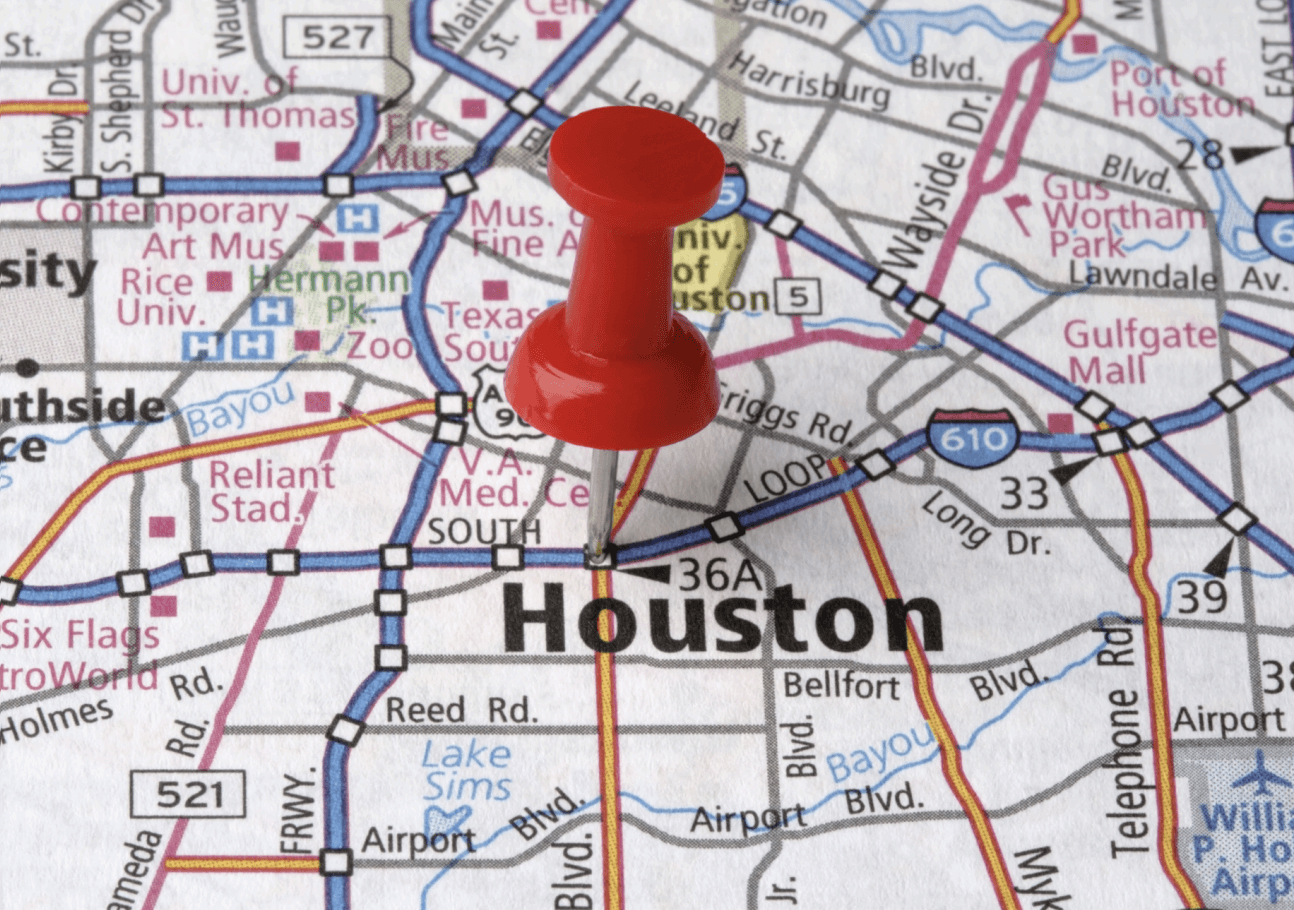
Why Houston is a Powerhouse

Houston is a major hub for manufacturing and logistics, with deepwater ports, two international airports offering over 180 non-stop destinations, and a highly educated workforce. It’s a key player in the global economy, especially in the oil, gas, chemical, and machinery industries. The region hosts over 7,000 manufacturing establishments and contributes significantly to the nation’s petrochemicals production.

A recent survey indicates that 89% of manufacturing CFOs plan to expand U.S. operations, presenting opportunities for Houston, which ranks highly in manufacturing GDP and competitiveness. New projects, like a joint cement facility by Eagle Materials Inc. and Heidelberg Materials North America and expansions by international companies like CRH PLC, underscore the region’s growth.

Houston’s manufacturing sector employed over 225,000 workers in 2022 and continues to grow, with partnerships aimed at developing a skilled workforce. Initiatives like the Resiliency Workforce Collaborative aim to train and place thousands in high-demand jobs by 2025.

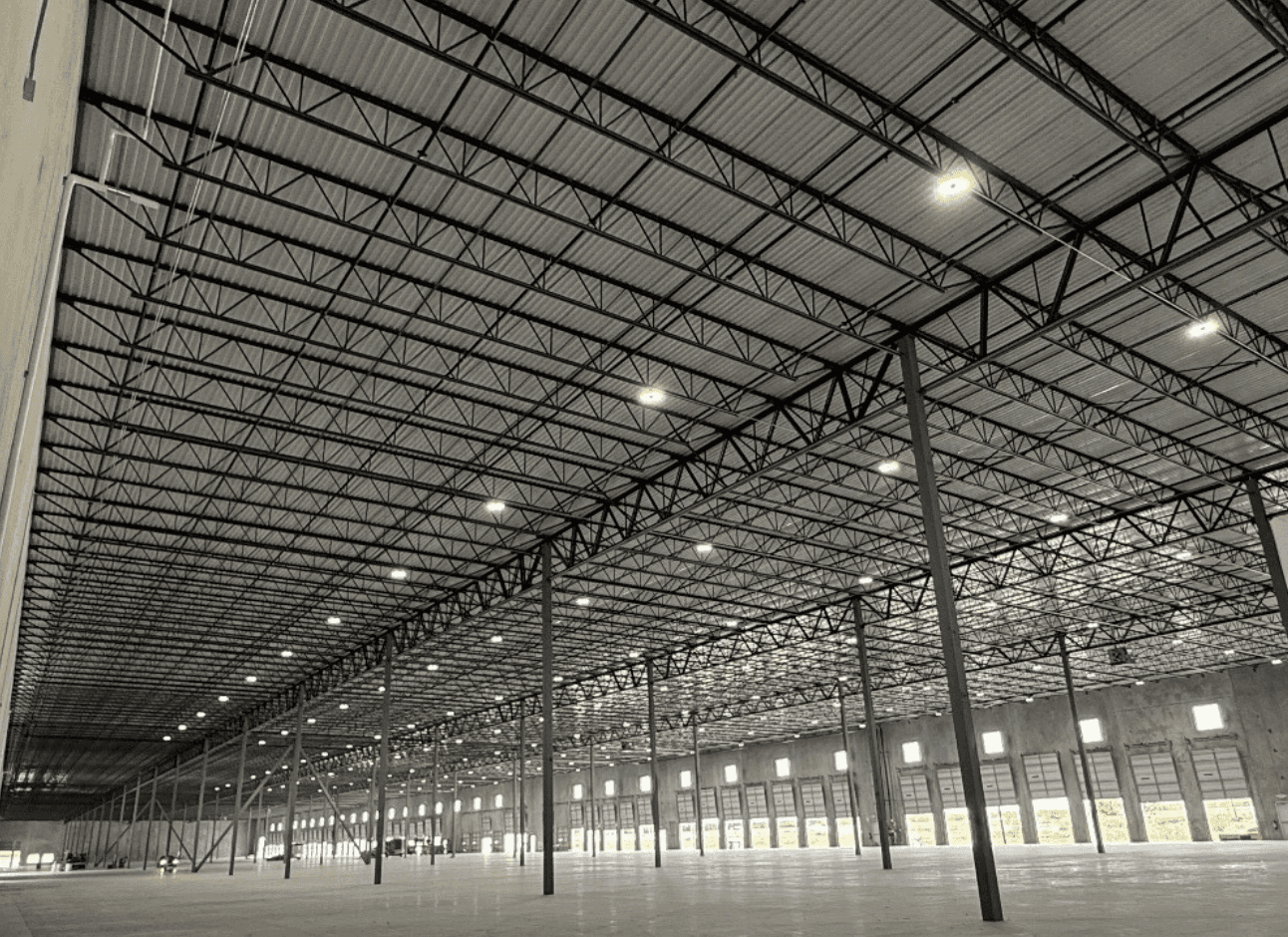
The city is also a crucial logistics center, with over 83 million square feet of warehouse space added since 2020. Its ports and airports, including the Port of Houston and two international airports, are vital for global trade, handling millions of metric tons of cargo and serving millions of passengers. Major highways further support efficient transportation and distribution, reducing costs for businesses.

Reference

Jan 2, 2026

Why Houston is a Powerhouse

Houston is a major hub for manufacturing and logistics, with deepwater ports, two international airports offering over 180 non-stop destinations, and a highly educated workforce. It’s a key player in the global economy, especially in the oil, gas, chemical, and machinery industries. The region hosts over 7,000 manufacturing establishments and contributes significantly to the nation’s petrochemicals production.

A recent survey indicates that 89% of manufacturing CFOs plan to expand U.S. operations, presenting opportunities for Houston, which ranks highly in manufacturing GDP and competitiveness. New projects, like a joint cement facility by Eagle Materials Inc. and Heidelberg Materials North America and expansions by international companies like CRH PLC, underscore the region’s growth.

Houston’s manufacturing sector employed over 225,000 workers in 2022 and continues to grow, with partnerships aimed at developing a skilled workforce. Initiatives like the Resiliency Workforce Collaborative aim to train and place thousands in high-demand jobs by 2025.

The city is also a crucial logistics center, with over 83 million square feet of warehouse space added since 2020. Its ports and airports, including the Port of Houston and two international airports, are vital for global trade, handling millions of metric tons of cargo and serving millions of passengers. Major highways further support efficient transportation and distribution, reducing costs for businesses.

Reference

Jan 2, 2026

Why Houston is a Powerhouse

Houston is a major hub for manufacturing and logistics, with deepwater ports, two international airports offering over 180 non-stop destinations, and a highly educated workforce. It’s a key player in the global economy, especially in the oil, gas, chemical, and machinery industries. The region hosts over 7,000 manufacturing establishments and contributes significantly to the nation’s petrochemicals production.

A recent survey indicates that 89% of manufacturing CFOs plan to expand U.S. operations, presenting opportunities for Houston, which ranks highly in manufacturing GDP and competitiveness. New projects, like a joint cement facility by Eagle Materials Inc. and Heidelberg Materials North America and expansions by international companies like CRH PLC, underscore the region’s growth.

Houston’s manufacturing sector employed over 225,000 workers in 2022 and continues to grow, with partnerships aimed at developing a skilled workforce. Initiatives like the Resiliency Workforce Collaborative aim to train and place thousands in high-demand jobs by 2025.

The city is also a crucial logistics center, with over 83 million square feet of warehouse space added since 2020. Its ports and airports, including the Port of Houston and two international airports, are vital for global trade, handling millions of metric tons of cargo and serving millions of passengers. Major highways further support efficient transportation and distribution, reducing costs for businesses.

Reference

Jan 2, 2026

Why Texas is the Ultimate Destination for Your Business: Key Incentives and Benefits for Relocating

Texas takes the initiative to invest in its future by offering competitive incentives to companies who are creating jobs and driving innovation in Texas. The incentives in this section are a summary of the most commonly utilized state offerings administered by Economic Development Finance.

Texas Enterprise Fund

The fund is used as a performance-based financial incentive tool for projects that offer significant projected job creation and capital investment and where a single Texas site is competing with another viable out-of-state option.

Events Trust Funds

The Events Trust Funds program applies local and state gains from sales and use, auto rental, hotel, and alcoholic beverage taxes generated over a specified period of time. Eligible events are not restricted to sports, but the venue must have been selected through a highly competitive selection process.

Governor’s University Research Initiative

The Governor’s University Research Initiative grant program (GURI) has a goal to bring the best and brightest researchers in the world to the State of Texas. This program is a matching grant program to assist eligible institutions of higher education in recruiting distinguished researchers.

Texas Enterprise Zone Program

The Texas Enterprise Zone Program is an economic development tool for local communities to partner with the State of Texas to promote job creation and significant private investment that will assist economically distressed areas of the state.

Texas Small Business Credit Initiative

The Texas Small Business Credit Initiative (TSBCI) seeks to foster small business development and job creation by enhancing access to capital. This program focuses on providing resources for small businesses, with a particular emphasis on helping traditionally underserved businesses and those affected by the COVID-19 pandemic. Small businesses obtain funding through loans from financial institutions, and TSBCI works with financial institutions to support this process. 

With an allocation of $472 million, TSBCI represents a significant investment in Texas’ small business ecosystem. The State of Texas is actively monitoring updates from the U.S. Department of the Treasury to ensure optimal implementation of this initiative. 

Skills Development Fund

The Skills Development Fund is an innovative program created to assist Texas public community and technical colleges finance customized job training for their local businesses. The Fund was established by the Legislature in 1995 and is administered by the Texas Workforce Commission. Grants are provided to help companies and labor unions form partnerships with local community colleges and technical schools to provide custom job training. Average training costs is $2,000 per trainee; however, the benefit may vary depending on the proposal. 

Self-Sufficiency Fund

The Self-Sufficiency Fund is a job-training program that is specifically designed for individuals that receive Temporary Assistance for Needy Families (TANF). The program links the business community with local educational institutions and is administered by the Texas Workforce Commission. The goal of the Fund is to assist TANF recipients become independent of government financial assistance.

The Fund makes grants available to eligible public colleges or to eligible private, nonprofit organizations to provide customized job training and training support services for specific employers. A joint application from the employer and the eligible public college and/or eligible private, nonprofit organization is required to be submitted to the Local Workforce Development Board for review and comment prior to approval. 

Texas Jobs, Energy, Technology & Innovation (JETI)

The JETI Act is a new competitive economic incentive program used to attract large, capital-intensive economic development projects, bringing new capital investment and creating new, high-paying jobs in Texas communities. 

Texas Semiconductor Innovation Fund (TSIF)

The TSIF may be used to match funding to state entities, such as  institutions of higher education, for semiconductor research, design and manufacturing projects; and for grants to business entities with an established presence within the state of Texas to encourage economic development related to semiconductor manufacturing and design.

Texas Micro-Business Disaster Recovery (MBDR) Loan Program 

The Texas MBDR Loan Program provides zero-interest loans to eligible CDFIs for purposes of making interest-bearing loans to qualifying micro-businesses that have difficulty in accessing capital following a declared disaster. All income received on a loan made by a CDFI participating in the program is the property of the financial institution. Income received on a loan includes the payment of interest by a borrower micro-business and the administrative fees assessed by the CDFI.

Overall Benefits

By relocating to Texas, your business will benefit from a competitive advantage in operational savings, access to skilled labor, and seamless logistics that connect you to global markets. Whether you’re aiming to tap into innovation or scale your operations, Texas offers unparalleled resources, a welcoming regulatory environment, and a proven track record of fostering business success.

With the state’s unwavering commitment to economic development, now is the perfect time to take advantage of what Texas has to offer. Make Texas your company’s new home and unlock a world of opportunities!

Reference

https://gov.texas.gov/business/page/incentives

Jan 2, 2026

Why Texas is the Ultimate Destination for Your Business: Key Incentives and Benefits for Relocating

Texas takes the initiative to invest in its future by offering competitive incentives to companies who are creating jobs and driving innovation in Texas. The incentives in this section are a summary of the most commonly utilized state offerings administered by Economic Development Finance.

Texas Enterprise Fund

The fund is used as a performance-based financial incentive tool for projects that offer significant projected job creation and capital investment and where a single Texas site is competing with another viable out-of-state option.

Events Trust Funds

The Events Trust Funds program applies local and state gains from sales and use, auto rental, hotel, and alcoholic beverage taxes generated over a specified period of time. Eligible events are not restricted to sports, but the venue must have been selected through a highly competitive selection process.

Governor’s University Research Initiative

The Governor’s University Research Initiative grant program (GURI) has a goal to bring the best and brightest researchers in the world to the State of Texas. This program is a matching grant program to assist eligible institutions of higher education in recruiting distinguished researchers.

Texas Enterprise Zone Program

The Texas Enterprise Zone Program is an economic development tool for local communities to partner with the State of Texas to promote job creation and significant private investment that will assist economically distressed areas of the state.

Texas Small Business Credit Initiative

The Texas Small Business Credit Initiative (TSBCI) seeks to foster small business development and job creation by enhancing access to capital. This program focuses on providing resources for small businesses, with a particular emphasis on helping traditionally underserved businesses and those affected by the COVID-19 pandemic. Small businesses obtain funding through loans from financial institutions, and TSBCI works with financial institutions to support this process. 

With an allocation of $472 million, TSBCI represents a significant investment in Texas’ small business ecosystem. The State of Texas is actively monitoring updates from the U.S. Department of the Treasury to ensure optimal implementation of this initiative. 

Skills Development Fund

The Skills Development Fund is an innovative program created to assist Texas public community and technical colleges finance customized job training for their local businesses. The Fund was established by the Legislature in 1995 and is administered by the Texas Workforce Commission. Grants are provided to help companies and labor unions form partnerships with local community colleges and technical schools to provide custom job training. Average training costs is $2,000 per trainee; however, the benefit may vary depending on the proposal. 

Self-Sufficiency Fund

The Self-Sufficiency Fund is a job-training program that is specifically designed for individuals that receive Temporary Assistance for Needy Families (TANF). The program links the business community with local educational institutions and is administered by the Texas Workforce Commission. The goal of the Fund is to assist TANF recipients become independent of government financial assistance.

The Fund makes grants available to eligible public colleges or to eligible private, nonprofit organizations to provide customized job training and training support services for specific employers. A joint application from the employer and the eligible public college and/or eligible private, nonprofit organization is required to be submitted to the Local Workforce Development Board for review and comment prior to approval. 

Texas Jobs, Energy, Technology & Innovation (JETI)

The JETI Act is a new competitive economic incentive program used to attract large, capital-intensive economic development projects, bringing new capital investment and creating new, high-paying jobs in Texas communities. 

Texas Semiconductor Innovation Fund (TSIF)

The TSIF may be used to match funding to state entities, such as  institutions of higher education, for semiconductor research, design and manufacturing projects; and for grants to business entities with an established presence within the state of Texas to encourage economic development related to semiconductor manufacturing and design.

Texas Micro-Business Disaster Recovery (MBDR) Loan Program 

The Texas MBDR Loan Program provides zero-interest loans to eligible CDFIs for purposes of making interest-bearing loans to qualifying micro-businesses that have difficulty in accessing capital following a declared disaster. All income received on a loan made by a CDFI participating in the program is the property of the financial institution. Income received on a loan includes the payment of interest by a borrower micro-business and the administrative fees assessed by the CDFI.

Overall Benefits

By relocating to Texas, your business will benefit from a competitive advantage in operational savings, access to skilled labor, and seamless logistics that connect you to global markets. Whether you’re aiming to tap into innovation or scale your operations, Texas offers unparalleled resources, a welcoming regulatory environment, and a proven track record of fostering business success.

With the state’s unwavering commitment to economic development, now is the perfect time to take advantage of what Texas has to offer. Make Texas your company’s new home and unlock a world of opportunities!

Reference

https://gov.texas.gov/business/page/incentives

Jan 2, 2026

Why Texas is the Ultimate Destination for Your Business: Key Incentives and Benefits for Relocating

Texas takes the initiative to invest in its future by offering competitive incentives to companies who are creating jobs and driving innovation in Texas. The incentives in this section are a summary of the most commonly utilized state offerings administered by Economic Development Finance.

Texas Enterprise Fund

The fund is used as a performance-based financial incentive tool for projects that offer significant projected job creation and capital investment and where a single Texas site is competing with another viable out-of-state option.

Events Trust Funds

The Events Trust Funds program applies local and state gains from sales and use, auto rental, hotel, and alcoholic beverage taxes generated over a specified period of time. Eligible events are not restricted to sports, but the venue must have been selected through a highly competitive selection process.

Governor’s University Research Initiative

The Governor’s University Research Initiative grant program (GURI) has a goal to bring the best and brightest researchers in the world to the State of Texas. This program is a matching grant program to assist eligible institutions of higher education in recruiting distinguished researchers.

Texas Enterprise Zone Program

The Texas Enterprise Zone Program is an economic development tool for local communities to partner with the State of Texas to promote job creation and significant private investment that will assist economically distressed areas of the state.

Texas Small Business Credit Initiative

The Texas Small Business Credit Initiative (TSBCI) seeks to foster small business development and job creation by enhancing access to capital. This program focuses on providing resources for small businesses, with a particular emphasis on helping traditionally underserved businesses and those affected by the COVID-19 pandemic. Small businesses obtain funding through loans from financial institutions, and TSBCI works with financial institutions to support this process. 

With an allocation of $472 million, TSBCI represents a significant investment in Texas’ small business ecosystem. The State of Texas is actively monitoring updates from the U.S. Department of the Treasury to ensure optimal implementation of this initiative. 

Skills Development Fund

The Skills Development Fund is an innovative program created to assist Texas public community and technical colleges finance customized job training for their local businesses. The Fund was established by the Legislature in 1995 and is administered by the Texas Workforce Commission. Grants are provided to help companies and labor unions form partnerships with local community colleges and technical schools to provide custom job training. Average training costs is $2,000 per trainee; however, the benefit may vary depending on the proposal. 

Self-Sufficiency Fund

The Self-Sufficiency Fund is a job-training program that is specifically designed for individuals that receive Temporary Assistance for Needy Families (TANF). The program links the business community with local educational institutions and is administered by the Texas Workforce Commission. The goal of the Fund is to assist TANF recipients become independent of government financial assistance.

The Fund makes grants available to eligible public colleges or to eligible private, nonprofit organizations to provide customized job training and training support services for specific employers. A joint application from the employer and the eligible public college and/or eligible private, nonprofit organization is required to be submitted to the Local Workforce Development Board for review and comment prior to approval. 

Texas Jobs, Energy, Technology & Innovation (JETI)

The JETI Act is a new competitive economic incentive program used to attract large, capital-intensive economic development projects, bringing new capital investment and creating new, high-paying jobs in Texas communities. 

Texas Semiconductor Innovation Fund (TSIF)

The TSIF may be used to match funding to state entities, such as  institutions of higher education, for semiconductor research, design and manufacturing projects; and for grants to business entities with an established presence within the state of Texas to encourage economic development related to semiconductor manufacturing and design.

Texas Micro-Business Disaster Recovery (MBDR) Loan Program 

The Texas MBDR Loan Program provides zero-interest loans to eligible CDFIs for purposes of making interest-bearing loans to qualifying micro-businesses that have difficulty in accessing capital following a declared disaster. All income received on a loan made by a CDFI participating in the program is the property of the financial institution. Income received on a loan includes the payment of interest by a borrower micro-business and the administrative fees assessed by the CDFI.

Overall Benefits

By relocating to Texas, your business will benefit from a competitive advantage in operational savings, access to skilled labor, and seamless logistics that connect you to global markets. Whether you’re aiming to tap into innovation or scale your operations, Texas offers unparalleled resources, a welcoming regulatory environment, and a proven track record of fostering business success.

With the state’s unwavering commitment to economic development, now is the perfect time to take advantage of what Texas has to offer. Make Texas your company’s new home and unlock a world of opportunities!

Reference

https://gov.texas.gov/business/page/incentives

Jan 2, 2026

Texas: America’s New Economic Powerhouse Leading in Growth and Opportunity

Texas has solidified its status as a prime hub for businesses and talent, with its economic growth and job creation outpacing much of the nation. According to the U.S. Bureau of Economic Analysis, Texas’s economy expanded at an impressive 7.4% rate from 2022 to 2023, significantly higher than the national average of 2.9%. This rapid growth boosted the state’s GDP to $2.6 trillion, making Texas the world’s eighth-largest economy—surpassing even Canada and Brazil in economic scale.

On the employment front, Texas has set the bar for the rest of the country. Over the past year alone, Texas added 327,400 non-farm jobs, leading all states in job creation. Since Governor Greg Abbott took office, Texas has gained over 2.4 million jobs, achieved record-breaking employment levels and reached a labor force of over 15.4 million people as of September 2024.

Governor Abbott credits Texas’s success to its pro-business environment, characterized by low taxes and light regulatory burdens, which create an ideal climate for growth. This favorable landscape has attracted Fortune 500 giants like Tesla, Oracle, and Caterpillar, all of whom have relocated their headquarters to Texas to capitalize on the state’s advantages. Texas consistently ranks among the best states for business in CEO surveys, praised for its regulatory framework, skilled workforce, and strong infrastructure.

Beyond benefiting large corporations, Texas actively supports small businesses through initiatives like the small business credit program and micro-business disaster recovery loans. These programs are designed to fuel growth across all business sizes, reinforcing Texas’s status as a supportive environment for startups and small enterprises.

The state’s commitment to workforce training, education, innovation, and infrastructure investment underscores a long-term vision that promises to sustain and expand its economic leadership. For companies and individuals seeking a vibrant, opportunity-rich setting, Texas remains a compelling choice, offering a future where economic and personal growth thrive side by side.

Resources:

https://gov.texas.gov/news/post/texas-leads-the-nation-with-jobs-surge

https://gov.texas.gov/news/post/texas-economy-expands-faster-than-nation

https://gov.texas.gov/news/post/texas-outperforms-u.s-in-annual-job-growth-rate

https://gov.texas.gov/business/page/business-climate

Jan 2, 2026

Texas: America’s New Economic Powerhouse Leading in Growth and Opportunity

Texas has solidified its status as a prime hub for businesses and talent, with its economic growth and job creation outpacing much of the nation. According to the U.S. Bureau of Economic Analysis, Texas’s economy expanded at an impressive 7.4% rate from 2022 to 2023, significantly higher than the national average of 2.9%. This rapid growth boosted the state’s GDP to $2.6 trillion, making Texas the world’s eighth-largest economy—surpassing even Canada and Brazil in economic scale.

On the employment front, Texas has set the bar for the rest of the country. Over the past year alone, Texas added 327,400 non-farm jobs, leading all states in job creation. Since Governor Greg Abbott took office, Texas has gained over 2.4 million jobs, achieved record-breaking employment levels and reached a labor force of over 15.4 million people as of September 2024.

Governor Abbott credits Texas’s success to its pro-business environment, characterized by low taxes and light regulatory burdens, which create an ideal climate for growth. This favorable landscape has attracted Fortune 500 giants like Tesla, Oracle, and Caterpillar, all of whom have relocated their headquarters to Texas to capitalize on the state’s advantages. Texas consistently ranks among the best states for business in CEO surveys, praised for its regulatory framework, skilled workforce, and strong infrastructure.

Beyond benefiting large corporations, Texas actively supports small businesses through initiatives like the small business credit program and micro-business disaster recovery loans. These programs are designed to fuel growth across all business sizes, reinforcing Texas’s status as a supportive environment for startups and small enterprises.

The state’s commitment to workforce training, education, innovation, and infrastructure investment underscores a long-term vision that promises to sustain and expand its economic leadership. For companies and individuals seeking a vibrant, opportunity-rich setting, Texas remains a compelling choice, offering a future where economic and personal growth thrive side by side.

Resources:

https://gov.texas.gov/news/post/texas-leads-the-nation-with-jobs-surge

https://gov.texas.gov/news/post/texas-economy-expands-faster-than-nation

https://gov.texas.gov/news/post/texas-outperforms-u.s-in-annual-job-growth-rate

https://gov.texas.gov/business/page/business-climate

Jan 2, 2026

Texas: America’s New Economic Powerhouse Leading in Growth and Opportunity

Texas has solidified its status as a prime hub for businesses and talent, with its economic growth and job creation outpacing much of the nation. According to the U.S. Bureau of Economic Analysis, Texas’s economy expanded at an impressive 7.4% rate from 2022 to 2023, significantly higher than the national average of 2.9%. This rapid growth boosted the state’s GDP to $2.6 trillion, making Texas the world’s eighth-largest economy—surpassing even Canada and Brazil in economic scale.

On the employment front, Texas has set the bar for the rest of the country. Over the past year alone, Texas added 327,400 non-farm jobs, leading all states in job creation. Since Governor Greg Abbott took office, Texas has gained over 2.4 million jobs, achieved record-breaking employment levels and reached a labor force of over 15.4 million people as of September 2024.

Governor Abbott credits Texas’s success to its pro-business environment, characterized by low taxes and light regulatory burdens, which create an ideal climate for growth. This favorable landscape has attracted Fortune 500 giants like Tesla, Oracle, and Caterpillar, all of whom have relocated their headquarters to Texas to capitalize on the state’s advantages. Texas consistently ranks among the best states for business in CEO surveys, praised for its regulatory framework, skilled workforce, and strong infrastructure.

Beyond benefiting large corporations, Texas actively supports small businesses through initiatives like the small business credit program and micro-business disaster recovery loans. These programs are designed to fuel growth across all business sizes, reinforcing Texas’s status as a supportive environment for startups and small enterprises.

The state’s commitment to workforce training, education, innovation, and infrastructure investment underscores a long-term vision that promises to sustain and expand its economic leadership. For companies and individuals seeking a vibrant, opportunity-rich setting, Texas remains a compelling choice, offering a future where economic and personal growth thrive side by side.

Resources:

https://gov.texas.gov/news/post/texas-leads-the-nation-with-jobs-surge

https://gov.texas.gov/news/post/texas-economy-expands-faster-than-nation

https://gov.texas.gov/news/post/texas-outperforms-u.s-in-annual-job-growth-rate

https://gov.texas.gov/business/page/business-climate

Jan 2, 2026

Agenda 47: A Roadmap for America’s Future

President-elect Trump has introduced “Agenda 47”, a comprehensive policy framework aimed at addressing key issues such as economic recovery, border security, education reform, and national defense. The framework includes 20 commitments designed to tackle current major challenges and provide practical solutions for building a stronger and safer nation.

Key Promises of Agenda 47

  1. Seal the border, and stop the migrant invasion

  2. Carry out the largest deportation operation in American history

  3. End inflation, and make America affordable again

  4. Make America the dominant energy producer in the world, by far!

  5. Stop outsourcing, and turn the United States into a manufacturing superpower

  6. Large tax cuts for workers, and no tax on tips!

  7. Defend our constitution, our bill of rights, and our fundamental freedoms, including freedom of speech, freedom of religion, and the right to keep and bear arms

  8. Prevent World War Three, restore peace in Europe and the Middle East, and build a great iron dome missile defense shield over our entire country—all made in America

  9. End the weaponization of government against the American people

  10. Stop the migrant crime epidemic, demolish the foreign drug cartels, crush gang violence, and lock up violent offenders

  11. Rebuild our cities, including Washington, D.C., making them safe, clean, and beautiful again

  12. Strengthen and modernize our military, making it, without question, the strongest and most powerful in the world

  13. Keep the U.S. dollar as the world’s reserve currency

  14. Fight for and protect Social Security and Medicare with no cuts, including no changes to the retirement age

  15. Cancel the electric vehicle mandate and cut costly and burdensome regulations

  16. Cut federal funding for any school pushing critical race theory, radical gender ideology, and other inappropriate racial, sexual, or political content on our children

  17. Keep men out of women’s sports

  18. Deport pro-Hamas radicals and make our college campuses safe and patriotic again

  19. Secure our elections, including same-day voting, voter identification, paper ballots, and proof of citizenship

  20. Unite our country by bringing it to new and record levels of success

10 Strategic Focus Areas

These commitments are further supported by 10 chapters of the GOP’s Platform, covering key areas such as combating inflation, rebuilding the economy, improving education, and restoring national security. The main contents include:

1. Economic Revitalization

Drive innovation, reduce regulations, and cut taxes.

2. Border Security

Enforce strict immigration laws and prioritize legal immigration systems.

3. Affordable Living

Tackle housing, healthcare, and education affordability.

4. Manufacturing and Trade

Repatriate supply chains and secure trade independence.

5. Social Security Protection

Strengthen support systems for seniors.

6. Education Reform

Ensure schools are safe, drug-free, and promote values like civics and parental rights.

7. Urban Renewal

Rebuild cities, restore law and order, and enhance infrastructure.

8. Governance Reform

Combat government overreach and ensure election integrity.

9. Military Modernization

Enhance defense capabilities and alliances.

10. Global Stability

Maintain peace through strength and protect national interests.

Looking Ahead

Agenda 47 presents a bold and comprehensive vision for tackling the nation’s most pressing challenges. By prioritizing economic recovery, secure borders, educational reform, and national defense, it sets a foundation for a stronger, safer, and more united America.

Jan 2, 2026

Agenda 47: A Roadmap for America’s Future

President-elect Trump has introduced “Agenda 47”, a comprehensive policy framework aimed at addressing key issues such as economic recovery, border security, education reform, and national defense. The framework includes 20 commitments designed to tackle current major challenges and provide practical solutions for building a stronger and safer nation.

Key Promises of Agenda 47

  1. Seal the border, and stop the migrant invasion

  2. Carry out the largest deportation operation in American history

  3. End inflation, and make America affordable again

  4. Make America the dominant energy producer in the world, by far!

  5. Stop outsourcing, and turn the United States into a manufacturing superpower

  6. Large tax cuts for workers, and no tax on tips!

  7. Defend our constitution, our bill of rights, and our fundamental freedoms, including freedom of speech, freedom of religion, and the right to keep and bear arms

  8. Prevent World War Three, restore peace in Europe and the Middle East, and build a great iron dome missile defense shield over our entire country—all made in America

  9. End the weaponization of government against the American people

  10. Stop the migrant crime epidemic, demolish the foreign drug cartels, crush gang violence, and lock up violent offenders

  11. Rebuild our cities, including Washington, D.C., making them safe, clean, and beautiful again

  12. Strengthen and modernize our military, making it, without question, the strongest and most powerful in the world

  13. Keep the U.S. dollar as the world’s reserve currency

  14. Fight for and protect Social Security and Medicare with no cuts, including no changes to the retirement age

  15. Cancel the electric vehicle mandate and cut costly and burdensome regulations

  16. Cut federal funding for any school pushing critical race theory, radical gender ideology, and other inappropriate racial, sexual, or political content on our children

  17. Keep men out of women’s sports

  18. Deport pro-Hamas radicals and make our college campuses safe and patriotic again

  19. Secure our elections, including same-day voting, voter identification, paper ballots, and proof of citizenship

  20. Unite our country by bringing it to new and record levels of success

10 Strategic Focus Areas

These commitments are further supported by 10 chapters of the GOP’s Platform, covering key areas such as combating inflation, rebuilding the economy, improving education, and restoring national security. The main contents include:

1. Economic Revitalization

Drive innovation, reduce regulations, and cut taxes.

2. Border Security

Enforce strict immigration laws and prioritize legal immigration systems.

3. Affordable Living

Tackle housing, healthcare, and education affordability.

4. Manufacturing and Trade

Repatriate supply chains and secure trade independence.

5. Social Security Protection

Strengthen support systems for seniors.

6. Education Reform

Ensure schools are safe, drug-free, and promote values like civics and parental rights.

7. Urban Renewal

Rebuild cities, restore law and order, and enhance infrastructure.

8. Governance Reform

Combat government overreach and ensure election integrity.

9. Military Modernization

Enhance defense capabilities and alliances.

10. Global Stability

Maintain peace through strength and protect national interests.

Looking Ahead

Agenda 47 presents a bold and comprehensive vision for tackling the nation’s most pressing challenges. By prioritizing economic recovery, secure borders, educational reform, and national defense, it sets a foundation for a stronger, safer, and more united America.

Jan 2, 2026

Agenda 47: A Roadmap for America’s Future

President-elect Trump has introduced “Agenda 47”, a comprehensive policy framework aimed at addressing key issues such as economic recovery, border security, education reform, and national defense. The framework includes 20 commitments designed to tackle current major challenges and provide practical solutions for building a stronger and safer nation.

Key Promises of Agenda 47

  1. Seal the border, and stop the migrant invasion

  2. Carry out the largest deportation operation in American history

  3. End inflation, and make America affordable again

  4. Make America the dominant energy producer in the world, by far!

  5. Stop outsourcing, and turn the United States into a manufacturing superpower

  6. Large tax cuts for workers, and no tax on tips!

  7. Defend our constitution, our bill of rights, and our fundamental freedoms, including freedom of speech, freedom of religion, and the right to keep and bear arms

  8. Prevent World War Three, restore peace in Europe and the Middle East, and build a great iron dome missile defense shield over our entire country—all made in America

  9. End the weaponization of government against the American people

  10. Stop the migrant crime epidemic, demolish the foreign drug cartels, crush gang violence, and lock up violent offenders

  11. Rebuild our cities, including Washington, D.C., making them safe, clean, and beautiful again

  12. Strengthen and modernize our military, making it, without question, the strongest and most powerful in the world

  13. Keep the U.S. dollar as the world’s reserve currency

  14. Fight for and protect Social Security and Medicare with no cuts, including no changes to the retirement age

  15. Cancel the electric vehicle mandate and cut costly and burdensome regulations

  16. Cut federal funding for any school pushing critical race theory, radical gender ideology, and other inappropriate racial, sexual, or political content on our children

  17. Keep men out of women’s sports

  18. Deport pro-Hamas radicals and make our college campuses safe and patriotic again

  19. Secure our elections, including same-day voting, voter identification, paper ballots, and proof of citizenship

  20. Unite our country by bringing it to new and record levels of success

10 Strategic Focus Areas

These commitments are further supported by 10 chapters of the GOP’s Platform, covering key areas such as combating inflation, rebuilding the economy, improving education, and restoring national security. The main contents include:

1. Economic Revitalization

Drive innovation, reduce regulations, and cut taxes.

2. Border Security

Enforce strict immigration laws and prioritize legal immigration systems.

3. Affordable Living

Tackle housing, healthcare, and education affordability.

4. Manufacturing and Trade

Repatriate supply chains and secure trade independence.

5. Social Security Protection

Strengthen support systems for seniors.

6. Education Reform

Ensure schools are safe, drug-free, and promote values like civics and parental rights.

7. Urban Renewal

Rebuild cities, restore law and order, and enhance infrastructure.

8. Governance Reform

Combat government overreach and ensure election integrity.

9. Military Modernization

Enhance defense capabilities and alliances.

10. Global Stability

Maintain peace through strength and protect national interests.

Looking Ahead

Agenda 47 presents a bold and comprehensive vision for tackling the nation’s most pressing challenges. By prioritizing economic recovery, secure borders, educational reform, and national defense, it sets a foundation for a stronger, safer, and more united America.

Jan 2, 2026

Why Houston is the Ideal Choice: Unique and Diverse Culture

Houston is widely recognized as one of the nation’s youngest, fastest growing, and most diverse cities, placing 4th largest city in the U.S. Its unique and diverse community makes it an exceptional choice for businesses seeking a culturally rich and inclusive environment. Home to over 145 languages and a vibrant mix of cultures, the city offers unparalleled opportunities to connect with various perspectives and talents. This diversity fosters creativity, innovation, and collaboration, making Houston a standout destination for thriving businesses.

Diverse Communities:

In 2024, Houston’s ethnic makeup compiled a diverse racial composition including but not limited to:

White: 40.82%

Black or African American: 22.41%

Two or more races: 14.85%

Other race: 14.26%

Asian: 6.88%

Native American: 0.72%

Native Hawaiian or Pacific Islander: 0.05%

Cultural Experiences:

With almost 7% of the population being the Asian community, Houston showcases Asian culture all over the city. The best place to experience Asian culture in Houston is in Chinatown. Houston’s Chinatown compiles several ethnic places, such as a food market and a wide variety of Asian cuisine restaurants. If you’re looking for something specific, Chinatown is the place to be.

Immigrant Population:

More than 28% of Houston’s residents were born outside the United States, highlighting the city’s global diversity. Immigrants are essential to Houston’s economy, contributing significantly across industries such as construction, manufacturing, and professional services.

George Bush Intercontinental Airport:

The George Bush Intercontinental Airport is located in Houston and handles over 45 million passengers annually, offering more than 150 international direct flights. Not only does this airport allow indefinite access all over the world, but it’s also well known for its cultural significance, including a public art collection and a fine arts program that offers live music five days a week.

William P. Hobby Airport:

Located just 7 miles southeast of downtown Houston, William P. Hobby Airport serves as a convenient and efficient travel hub for over 14 million passengers annually. Primarily a domestic airport, Hobby also offers a growing number of international flights, including destinations in Latin America and the Caribbean. Known for its traveler-friendly design, Hobby Airport features modern facilities, including an international concourse, and is a major hub for Southwest Airlines. Beyond its functionality, the airport highlights Houston’s vibrant culture with art displays and exhibits, making it a gateway to the city’s rich heritage.

Port of Houston:

The Houston Ship Channel complex and its more than 200 private and eight public terminals, collectively known as the Port of Houston, is the nation’s largest port for waterborne tonnage and an essential economic engine for the Houston region, the state of Texas, and the U.S. A 2022 study by Martin Associates reports that business activity at the Port of Houston supports 1.54M jobs throughout the state of Texas and 3.37M jobs nationwide. This activity helps generate more than $439B in statewide economic value and $906B in nationwide economic value. Moreover, the Houston Ship Channel contributes nearly $10.6B in state and local tax revenue and $62.8B in national tax revenue.

Conclusion:

Houston’s exceptional diversity, thriving cultural landscape, and global connectivity position it as a top-tier choice for businesses and residents alike. The city’s dynamic mix of over 145 languages and vibrant immigrant community fuels innovation and collaboration.

Houston’s global reach is enhanced by its two major airports: George Bush Intercontinental Airport, handling over 45 million passengers annually with more than 150 international direct flights, and William P. Hobby Airport, a convenient hub for over 14 million travelers annually, offering both domestic and international connections. Additionally, the Port of Houston, the largest in the U.S. for waterborne tonnage, drives economic growth by supporting millions of jobs and facilitating global trade.

This blend of cultural richness, international accessibility, and economic opportunity makes Houston a thriving hub for innovation, business expansion, and personal growth. It’s a city where diverse perspectives meet to create a future of endless possibilities.

References:

https://worldpopulationreview.com/us-cities/texas/houston

https://wallethub.com/edu/most-diverse-cities/12690

https://www.houstonartsalliance.com/news/eight-new-art-installations-at-iah

https://porthouston.com/business/become-a-customer/business-overview/

Jan 2, 2026

Why Houston is the Ideal Choice: Unique and Diverse Culture

Houston is widely recognized as one of the nation’s youngest, fastest growing, and most diverse cities, placing 4th largest city in the U.S. Its unique and diverse community makes it an exceptional choice for businesses seeking a culturally rich and inclusive environment. Home to over 145 languages and a vibrant mix of cultures, the city offers unparalleled opportunities to connect with various perspectives and talents. This diversity fosters creativity, innovation, and collaboration, making Houston a standout destination for thriving businesses.

Diverse Communities:

In 2024, Houston’s ethnic makeup compiled a diverse racial composition including but not limited to:

White: 40.82%

Black or African American: 22.41%

Two or more races: 14.85%

Other race: 14.26%

Asian: 6.88%

Native American: 0.72%

Native Hawaiian or Pacific Islander: 0.05%

Cultural Experiences:

With almost 7% of the population being the Asian community, Houston showcases Asian culture all over the city. The best place to experience Asian culture in Houston is in Chinatown. Houston’s Chinatown compiles several ethnic places, such as a food market and a wide variety of Asian cuisine restaurants. If you’re looking for something specific, Chinatown is the place to be.

Immigrant Population:

More than 28% of Houston’s residents were born outside the United States, highlighting the city’s global diversity. Immigrants are essential to Houston’s economy, contributing significantly across industries such as construction, manufacturing, and professional services.

George Bush Intercontinental Airport:

The George Bush Intercontinental Airport is located in Houston and handles over 45 million passengers annually, offering more than 150 international direct flights. Not only does this airport allow indefinite access all over the world, but it’s also well known for its cultural significance, including a public art collection and a fine arts program that offers live music five days a week.

William P. Hobby Airport:

Located just 7 miles southeast of downtown Houston, William P. Hobby Airport serves as a convenient and efficient travel hub for over 14 million passengers annually. Primarily a domestic airport, Hobby also offers a growing number of international flights, including destinations in Latin America and the Caribbean. Known for its traveler-friendly design, Hobby Airport features modern facilities, including an international concourse, and is a major hub for Southwest Airlines. Beyond its functionality, the airport highlights Houston’s vibrant culture with art displays and exhibits, making it a gateway to the city’s rich heritage.

Port of Houston:

The Houston Ship Channel complex and its more than 200 private and eight public terminals, collectively known as the Port of Houston, is the nation’s largest port for waterborne tonnage and an essential economic engine for the Houston region, the state of Texas, and the U.S. A 2022 study by Martin Associates reports that business activity at the Port of Houston supports 1.54M jobs throughout the state of Texas and 3.37M jobs nationwide. This activity helps generate more than $439B in statewide economic value and $906B in nationwide economic value. Moreover, the Houston Ship Channel contributes nearly $10.6B in state and local tax revenue and $62.8B in national tax revenue.

Conclusion:

Houston’s exceptional diversity, thriving cultural landscape, and global connectivity position it as a top-tier choice for businesses and residents alike. The city’s dynamic mix of over 145 languages and vibrant immigrant community fuels innovation and collaboration.

Houston’s global reach is enhanced by its two major airports: George Bush Intercontinental Airport, handling over 45 million passengers annually with more than 150 international direct flights, and William P. Hobby Airport, a convenient hub for over 14 million travelers annually, offering both domestic and international connections. Additionally, the Port of Houston, the largest in the U.S. for waterborne tonnage, drives economic growth by supporting millions of jobs and facilitating global trade.

This blend of cultural richness, international accessibility, and economic opportunity makes Houston a thriving hub for innovation, business expansion, and personal growth. It’s a city where diverse perspectives meet to create a future of endless possibilities.

References:

https://worldpopulationreview.com/us-cities/texas/houston

https://wallethub.com/edu/most-diverse-cities/12690

https://www.houstonartsalliance.com/news/eight-new-art-installations-at-iah

https://porthouston.com/business/become-a-customer/business-overview/

Jan 2, 2026

Why Houston is the Ideal Choice: Unique and Diverse Culture

Houston is widely recognized as one of the nation’s youngest, fastest growing, and most diverse cities, placing 4th largest city in the U.S. Its unique and diverse community makes it an exceptional choice for businesses seeking a culturally rich and inclusive environment. Home to over 145 languages and a vibrant mix of cultures, the city offers unparalleled opportunities to connect with various perspectives and talents. This diversity fosters creativity, innovation, and collaboration, making Houston a standout destination for thriving businesses.

Diverse Communities:

In 2024, Houston’s ethnic makeup compiled a diverse racial composition including but not limited to:

White: 40.82%

Black or African American: 22.41%

Two or more races: 14.85%

Other race: 14.26%

Asian: 6.88%

Native American: 0.72%

Native Hawaiian or Pacific Islander: 0.05%

Cultural Experiences:

With almost 7% of the population being the Asian community, Houston showcases Asian culture all over the city. The best place to experience Asian culture in Houston is in Chinatown. Houston’s Chinatown compiles several ethnic places, such as a food market and a wide variety of Asian cuisine restaurants. If you’re looking for something specific, Chinatown is the place to be.

Immigrant Population:

More than 28% of Houston’s residents were born outside the United States, highlighting the city’s global diversity. Immigrants are essential to Houston’s economy, contributing significantly across industries such as construction, manufacturing, and professional services.

George Bush Intercontinental Airport:

The George Bush Intercontinental Airport is located in Houston and handles over 45 million passengers annually, offering more than 150 international direct flights. Not only does this airport allow indefinite access all over the world, but it’s also well known for its cultural significance, including a public art collection and a fine arts program that offers live music five days a week.

William P. Hobby Airport:

Located just 7 miles southeast of downtown Houston, William P. Hobby Airport serves as a convenient and efficient travel hub for over 14 million passengers annually. Primarily a domestic airport, Hobby also offers a growing number of international flights, including destinations in Latin America and the Caribbean. Known for its traveler-friendly design, Hobby Airport features modern facilities, including an international concourse, and is a major hub for Southwest Airlines. Beyond its functionality, the airport highlights Houston’s vibrant culture with art displays and exhibits, making it a gateway to the city’s rich heritage.

Port of Houston:

The Houston Ship Channel complex and its more than 200 private and eight public terminals, collectively known as the Port of Houston, is the nation’s largest port for waterborne tonnage and an essential economic engine for the Houston region, the state of Texas, and the U.S. A 2022 study by Martin Associates reports that business activity at the Port of Houston supports 1.54M jobs throughout the state of Texas and 3.37M jobs nationwide. This activity helps generate more than $439B in statewide economic value and $906B in nationwide economic value. Moreover, the Houston Ship Channel contributes nearly $10.6B in state and local tax revenue and $62.8B in national tax revenue.

Conclusion:

Houston’s exceptional diversity, thriving cultural landscape, and global connectivity position it as a top-tier choice for businesses and residents alike. The city’s dynamic mix of over 145 languages and vibrant immigrant community fuels innovation and collaboration.

Houston’s global reach is enhanced by its two major airports: George Bush Intercontinental Airport, handling over 45 million passengers annually with more than 150 international direct flights, and William P. Hobby Airport, a convenient hub for over 14 million travelers annually, offering both domestic and international connections. Additionally, the Port of Houston, the largest in the U.S. for waterborne tonnage, drives economic growth by supporting millions of jobs and facilitating global trade.

This blend of cultural richness, international accessibility, and economic opportunity makes Houston a thriving hub for innovation, business expansion, and personal growth. It’s a city where diverse perspectives meet to create a future of endless possibilities.

References:

https://worldpopulationreview.com/us-cities/texas/houston

https://wallethub.com/edu/most-diverse-cities/12690

https://www.houstonartsalliance.com/news/eight-new-art-installations-at-iah

https://porthouston.com/business/become-a-customer/business-overview/

Jan 2, 2026

Discover Houston: A Vibrant Hub for Outdoor Recreation and Natural Beauty

Houston offers various outdoor recreational opportunities, supported by its extensive parks and natural spaces network. The city’s Parks and Recreation Department oversees over 380 parks, ensuring accessibility and enjoyment for all residents. Notable destinations include Hermann Park, Memorial Park, and Buffalo Bayou Park, each offering trails, open spaces, and unique attractions like golf courses and botanical gardens.

Houston’s green spaces collectively span more than 52,000 acres, providing hiking, jogging, and cycling opportunities on over 160 miles of interconnected trails. The city’s bayou greenways, such as the Buffalo Bayou Trail, are a hallmark of its commitment to outdoor connectivity and flood management while providing serene environments for outdoor activities.

Beyond city parks, nearby state parks like Brazos Bend State Park and Huntsville State Park offer opportunities for camping, wildlife observation, and fishing. Brazos Bend is particularly known for its alligator sightings and star-gazing at the George Observatory, making it a favorite for family outings.

In addition to parks and trails, the city offers a range of outdoor programs, such as community gardening initiatives, nature workshops, and fitness activities organized by the Houston Parks and Recreation Department. These programs aim to foster community engagement and promote healthy lifestyles.

Houston’s parks and recreation system is a testament to the city’s ability to balance urban industrialization with natural preservation, creating a harmonious environment for its diverse, multinational community. As a global hub for industries like energy, technology, and healthcare, Houston provides green spaces that enhance quality of life and foster connections among its residents. These parks are particularly beneficial for individuals and families moving here from other countries, offering welcoming environments where they can explore, relax, and integrate into the community. By blending recreation with sustainability and inclusivity, Houston stands out as a vibrant destination for people from all walks of life.

References:

https://houstontx.gov/parks/aboutus.html

https://houstontx.gov/parks/aboutus.html

https://tpwd.texas.gov

Jan 2, 2026

Discover Houston: A Vibrant Hub for Outdoor Recreation and Natural Beauty

Houston offers various outdoor recreational opportunities, supported by its extensive parks and natural spaces network. The city’s Parks and Recreation Department oversees over 380 parks, ensuring accessibility and enjoyment for all residents. Notable destinations include Hermann Park, Memorial Park, and Buffalo Bayou Park, each offering trails, open spaces, and unique attractions like golf courses and botanical gardens.

Houston’s green spaces collectively span more than 52,000 acres, providing hiking, jogging, and cycling opportunities on over 160 miles of interconnected trails. The city’s bayou greenways, such as the Buffalo Bayou Trail, are a hallmark of its commitment to outdoor connectivity and flood management while providing serene environments for outdoor activities.

Beyond city parks, nearby state parks like Brazos Bend State Park and Huntsville State Park offer opportunities for camping, wildlife observation, and fishing. Brazos Bend is particularly known for its alligator sightings and star-gazing at the George Observatory, making it a favorite for family outings.

In addition to parks and trails, the city offers a range of outdoor programs, such as community gardening initiatives, nature workshops, and fitness activities organized by the Houston Parks and Recreation Department. These programs aim to foster community engagement and promote healthy lifestyles.

Houston’s parks and recreation system is a testament to the city’s ability to balance urban industrialization with natural preservation, creating a harmonious environment for its diverse, multinational community. As a global hub for industries like energy, technology, and healthcare, Houston provides green spaces that enhance quality of life and foster connections among its residents. These parks are particularly beneficial for individuals and families moving here from other countries, offering welcoming environments where they can explore, relax, and integrate into the community. By blending recreation with sustainability and inclusivity, Houston stands out as a vibrant destination for people from all walks of life.

References:

https://houstontx.gov/parks/aboutus.html

https://houstontx.gov/parks/aboutus.html

https://tpwd.texas.gov

Jan 2, 2026

Discover Houston: A Vibrant Hub for Outdoor Recreation and Natural Beauty

Houston offers various outdoor recreational opportunities, supported by its extensive parks and natural spaces network. The city’s Parks and Recreation Department oversees over 380 parks, ensuring accessibility and enjoyment for all residents. Notable destinations include Hermann Park, Memorial Park, and Buffalo Bayou Park, each offering trails, open spaces, and unique attractions like golf courses and botanical gardens.

Houston’s green spaces collectively span more than 52,000 acres, providing hiking, jogging, and cycling opportunities on over 160 miles of interconnected trails. The city’s bayou greenways, such as the Buffalo Bayou Trail, are a hallmark of its commitment to outdoor connectivity and flood management while providing serene environments for outdoor activities.

Beyond city parks, nearby state parks like Brazos Bend State Park and Huntsville State Park offer opportunities for camping, wildlife observation, and fishing. Brazos Bend is particularly known for its alligator sightings and star-gazing at the George Observatory, making it a favorite for family outings.

In addition to parks and trails, the city offers a range of outdoor programs, such as community gardening initiatives, nature workshops, and fitness activities organized by the Houston Parks and Recreation Department. These programs aim to foster community engagement and promote healthy lifestyles.

Houston’s parks and recreation system is a testament to the city’s ability to balance urban industrialization with natural preservation, creating a harmonious environment for its diverse, multinational community. As a global hub for industries like energy, technology, and healthcare, Houston provides green spaces that enhance quality of life and foster connections among its residents. These parks are particularly beneficial for individuals and families moving here from other countries, offering welcoming environments where they can explore, relax, and integrate into the community. By blending recreation with sustainability and inclusivity, Houston stands out as a vibrant destination for people from all walks of life.

References:

https://houstontx.gov/parks/aboutus.html

https://houstontx.gov/parks/aboutus.html

https://tpwd.texas.gov

Jan 2, 2026

Texas Economic Growth and Infrastructure Investments

Texas as a Global Economic Powerhouse

Texas has solidified its position as a global economic powerhouse, ranking as the eighth-largest economy in the world as of 2024. This remarkable achievement places the state ahead of several major countries in gross domestic product (GDP), reflecting the strength and diversity of its industries. Texas continues to demonstrate resilience and adaptability in a rapidly evolving global market from oil and gas to technology, aerospace, and agriculture.

A Business-Friendly Environment

The state’s business-friendly climate has played a crucial role in its sustained economic success. Texas has consistently been named the “Best State for Business” and has won the prestigious Governor’s Cup on multiple occasions. These awards underscore its commitment to creating an environment that’s successful in business growth, marked by low taxes, minimal regulations, and an abundant, skilled workforce. Such factors have made Texas a magnet for national and international investors, solidifying its reputation as a hub for innovation and commerce.

Massive Transportation Investments

A significant driver of Texas’s economic strength is its robust infrastructure investment. The state has committed an impressive $148 billion over the next decade to enhance its transportation systems. This initiative includes the expansion of roads and highways, bridge construction, and improvements to public transit, all aimed at supporting Texas’s rapid population growth and increasing industrial demands.

A Model for Strategic Development

Texas’s economic growth and infrastructure investments exemplify a model of strategic development and planning. By prioritizing infrastructure enhancements and maintaining a pro-business environment, the state has positioned itself as a leader in both industrial and economic innovation. As it continues to expand its capabilities, Texas remains a key player on the global stage, setting a standard for others to follow.

As Texas continues to expand its capabilities and attract both talent and investment, it serves as a model for other states and nations seeking to balance industrial growth with strategic planning. With its forward-thinking approach, Texas is not just keeping pace with global trends—it is setting the standard for economic and industrial innovation.

https://gov.texas.gov/business/page/infrastructure

https://gov.texas.gov/news/post/texas-economy-dominates-in-2024

Jan 2, 2026

Texas Economic Growth and Infrastructure Investments

Texas as a Global Economic Powerhouse

Texas has solidified its position as a global economic powerhouse, ranking as the eighth-largest economy in the world as of 2024. This remarkable achievement places the state ahead of several major countries in gross domestic product (GDP), reflecting the strength and diversity of its industries. Texas continues to demonstrate resilience and adaptability in a rapidly evolving global market from oil and gas to technology, aerospace, and agriculture.

A Business-Friendly Environment

The state’s business-friendly climate has played a crucial role in its sustained economic success. Texas has consistently been named the “Best State for Business” and has won the prestigious Governor’s Cup on multiple occasions. These awards underscore its commitment to creating an environment that’s successful in business growth, marked by low taxes, minimal regulations, and an abundant, skilled workforce. Such factors have made Texas a magnet for national and international investors, solidifying its reputation as a hub for innovation and commerce.

Massive Transportation Investments

A significant driver of Texas’s economic strength is its robust infrastructure investment. The state has committed an impressive $148 billion over the next decade to enhance its transportation systems. This initiative includes the expansion of roads and highways, bridge construction, and improvements to public transit, all aimed at supporting Texas’s rapid population growth and increasing industrial demands.

A Model for Strategic Development

Texas’s economic growth and infrastructure investments exemplify a model of strategic development and planning. By prioritizing infrastructure enhancements and maintaining a pro-business environment, the state has positioned itself as a leader in both industrial and economic innovation. As it continues to expand its capabilities, Texas remains a key player on the global stage, setting a standard for others to follow.

As Texas continues to expand its capabilities and attract both talent and investment, it serves as a model for other states and nations seeking to balance industrial growth with strategic planning. With its forward-thinking approach, Texas is not just keeping pace with global trends—it is setting the standard for economic and industrial innovation.

https://gov.texas.gov/business/page/infrastructure

https://gov.texas.gov/news/post/texas-economy-dominates-in-2024

Jan 2, 2026

Texas Economic Growth and Infrastructure Investments

Texas as a Global Economic Powerhouse

Texas has solidified its position as a global economic powerhouse, ranking as the eighth-largest economy in the world as of 2024. This remarkable achievement places the state ahead of several major countries in gross domestic product (GDP), reflecting the strength and diversity of its industries. Texas continues to demonstrate resilience and adaptability in a rapidly evolving global market from oil and gas to technology, aerospace, and agriculture.

A Business-Friendly Environment

The state’s business-friendly climate has played a crucial role in its sustained economic success. Texas has consistently been named the “Best State for Business” and has won the prestigious Governor’s Cup on multiple occasions. These awards underscore its commitment to creating an environment that’s successful in business growth, marked by low taxes, minimal regulations, and an abundant, skilled workforce. Such factors have made Texas a magnet for national and international investors, solidifying its reputation as a hub for innovation and commerce.

Massive Transportation Investments

A significant driver of Texas’s economic strength is its robust infrastructure investment. The state has committed an impressive $148 billion over the next decade to enhance its transportation systems. This initiative includes the expansion of roads and highways, bridge construction, and improvements to public transit, all aimed at supporting Texas’s rapid population growth and increasing industrial demands.

A Model for Strategic Development

Texas’s economic growth and infrastructure investments exemplify a model of strategic development and planning. By prioritizing infrastructure enhancements and maintaining a pro-business environment, the state has positioned itself as a leader in both industrial and economic innovation. As it continues to expand its capabilities, Texas remains a key player on the global stage, setting a standard for others to follow.

As Texas continues to expand its capabilities and attract both talent and investment, it serves as a model for other states and nations seeking to balance industrial growth with strategic planning. With its forward-thinking approach, Texas is not just keeping pace with global trends—it is setting the standard for economic and industrial innovation.

https://gov.texas.gov/business/page/infrastructure

https://gov.texas.gov/news/post/texas-economy-dominates-in-2024

Jan 2, 2026

Why Texas is a Top Real Estate Investment Destination

Texas has emerged as a top destination for real estate investment due to its economic strength, rapid population growth, and investor-friendly regulations. The state offers a wide variety of appealing locations, from vibrant urban centers to scenic vacation destinations, making it ideal for both long-term rentals and short-term investment strategies.

With a thriving job market powered by major industries such as tech, energy, and manufacturing, and an influx of new businesses, demand for housing continues to rise. Texas also offers a strong rental market and a landlord-friendly legal environment, further boosting investor confidence.

Several cities across Texas stand out as prime real estate hubs. Austin attracts investors with its cultural appeal and booming population, despite its higher home prices. Houston offers solid returns due to its diverse economy and potential in both fix-and-flip and vacation rentals. San Antonio is known for its economic diversity and consistent population growth, offering a wide range of investment opportunities.

Meanwhile, Dallas continues to grow rapidly, fueled by corporate relocations and rising rental demand. El Paso, with its affordability and upward market trends, is also gaining attention as a hidden gem for real estate investors.

Together, these cities reflect Texas’s broad potential and ongoing evolution as a real estate powerhouse.

Reference:
https://americanventures.com/is-texas-a-good-place-to-invest-in-real-estate/

Jan 2, 2026

Why Texas is a Top Real Estate Investment Destination

Texas has emerged as a top destination for real estate investment due to its economic strength, rapid population growth, and investor-friendly regulations. The state offers a wide variety of appealing locations, from vibrant urban centers to scenic vacation destinations, making it ideal for both long-term rentals and short-term investment strategies.

With a thriving job market powered by major industries such as tech, energy, and manufacturing, and an influx of new businesses, demand for housing continues to rise. Texas also offers a strong rental market and a landlord-friendly legal environment, further boosting investor confidence.

Several cities across Texas stand out as prime real estate hubs. Austin attracts investors with its cultural appeal and booming population, despite its higher home prices. Houston offers solid returns due to its diverse economy and potential in both fix-and-flip and vacation rentals. San Antonio is known for its economic diversity and consistent population growth, offering a wide range of investment opportunities.

Meanwhile, Dallas continues to grow rapidly, fueled by corporate relocations and rising rental demand. El Paso, with its affordability and upward market trends, is also gaining attention as a hidden gem for real estate investors.

Together, these cities reflect Texas’s broad potential and ongoing evolution as a real estate powerhouse.

Reference:
https://americanventures.com/is-texas-a-good-place-to-invest-in-real-estate/

Jan 2, 2026

Why Texas is a Top Real Estate Investment Destination

Texas has emerged as a top destination for real estate investment due to its economic strength, rapid population growth, and investor-friendly regulations. The state offers a wide variety of appealing locations, from vibrant urban centers to scenic vacation destinations, making it ideal for both long-term rentals and short-term investment strategies.

With a thriving job market powered by major industries such as tech, energy, and manufacturing, and an influx of new businesses, demand for housing continues to rise. Texas also offers a strong rental market and a landlord-friendly legal environment, further boosting investor confidence.

Several cities across Texas stand out as prime real estate hubs. Austin attracts investors with its cultural appeal and booming population, despite its higher home prices. Houston offers solid returns due to its diverse economy and potential in both fix-and-flip and vacation rentals. San Antonio is known for its economic diversity and consistent population growth, offering a wide range of investment opportunities.

Meanwhile, Dallas continues to grow rapidly, fueled by corporate relocations and rising rental demand. El Paso, with its affordability and upward market trends, is also gaining attention as a hidden gem for real estate investors.

Together, these cities reflect Texas’s broad potential and ongoing evolution as a real estate powerhouse.

Reference:
https://americanventures.com/is-texas-a-good-place-to-invest-in-real-estate/

Jan 2, 2026

Houston’s CRE Market: Adapting to a New Era

Houston’s commercial real estate market is at a turning point, shaped by strong employment growth, steady energy prices, and changing demand for office space. Investors who adapt to these shifts—by focusing on high-growth industrial areas, mixed-use developments, or modernized office spaces—are best positioned to succeed. Mortgage rates remain elevated around 7%, which continues to influence financing costs and impacts demand for multifamily and residential-adjacent commercial projects. 

Houston’s employment growth is outpacing the national average, with the city recovering 173% of its pandemic job losses and adding over 260,000 jobs, underscoring its role as a major economic hub. However, traditional downtown office spaces face high vacancy rates, highlighting the need for creative strategies like flexible workspaces and mixed-use developments. Meanwhile, stable oil prices ($70–$85 per barrel) and projections that fossil fuels will remain dominant through 2050 continue to support demand for industrial real estate tied to the energy sector. 

Overall, success in Houston’s evolving market requires staying ahead of economic changes, understanding where demand is rising, and refining investment strategies accordingly. By aligning with local trends—whether targeting industrial growth, adapting office strategies, or leveraging workforce expansion—investors can position themselves for long-term gains in one of Texas’ most dynamic markets. 

Article:

https://commercialspacehouston.com/how-2025-business-and-employment-trends-will-impact-texas-commercial-real-estate-market/ 

Jan 2, 2026

Houston’s CRE Market: Adapting to a New Era

Houston’s commercial real estate market is at a turning point, shaped by strong employment growth, steady energy prices, and changing demand for office space. Investors who adapt to these shifts—by focusing on high-growth industrial areas, mixed-use developments, or modernized office spaces—are best positioned to succeed. Mortgage rates remain elevated around 7%, which continues to influence financing costs and impacts demand for multifamily and residential-adjacent commercial projects. 

Houston’s employment growth is outpacing the national average, with the city recovering 173% of its pandemic job losses and adding over 260,000 jobs, underscoring its role as a major economic hub. However, traditional downtown office spaces face high vacancy rates, highlighting the need for creative strategies like flexible workspaces and mixed-use developments. Meanwhile, stable oil prices ($70–$85 per barrel) and projections that fossil fuels will remain dominant through 2050 continue to support demand for industrial real estate tied to the energy sector. 

Overall, success in Houston’s evolving market requires staying ahead of economic changes, understanding where demand is rising, and refining investment strategies accordingly. By aligning with local trends—whether targeting industrial growth, adapting office strategies, or leveraging workforce expansion—investors can position themselves for long-term gains in one of Texas’ most dynamic markets. 

Article:

https://commercialspacehouston.com/how-2025-business-and-employment-trends-will-impact-texas-commercial-real-estate-market/ 

Jan 2, 2026

Houston’s CRE Market: Adapting to a New Era

Houston’s commercial real estate market is at a turning point, shaped by strong employment growth, steady energy prices, and changing demand for office space. Investors who adapt to these shifts—by focusing on high-growth industrial areas, mixed-use developments, or modernized office spaces—are best positioned to succeed. Mortgage rates remain elevated around 7%, which continues to influence financing costs and impacts demand for multifamily and residential-adjacent commercial projects. 

Houston’s employment growth is outpacing the national average, with the city recovering 173% of its pandemic job losses and adding over 260,000 jobs, underscoring its role as a major economic hub. However, traditional downtown office spaces face high vacancy rates, highlighting the need for creative strategies like flexible workspaces and mixed-use developments. Meanwhile, stable oil prices ($70–$85 per barrel) and projections that fossil fuels will remain dominant through 2050 continue to support demand for industrial real estate tied to the energy sector. 

Overall, success in Houston’s evolving market requires staying ahead of economic changes, understanding where demand is rising, and refining investment strategies accordingly. By aligning with local trends—whether targeting industrial growth, adapting office strategies, or leveraging workforce expansion—investors can position themselves for long-term gains in one of Texas’ most dynamic markets. 

Article:

https://commercialspacehouston.com/how-2025-business-and-employment-trends-will-impact-texas-commercial-real-estate-market/ 

Jan 2, 2026

Texas Real Estate Market Trends 2025: Key Insights for Smart Investors

Real estate investing involves purchasing residential, commercial, or industrial properties for rental income or value appreciation. Success depends on understanding property types, investment goals, and local market trends. Key financial metrics such as Net Operating Income (NOI), capitalization rate, cash flow, and ROI are essential in evaluating opportunities, with NOI being especially important since it is shaped by rental income, vacancy rates, and operating expenses. Effective strategies to boost NOI include setting competitive rents, reducing vacancies, improving tenant satisfaction, ensuring timely rent collection, and controlling expenses like maintenance, utilities, insurance, and property management fees. Broader market conditions, including economic growth, employment rates, and supply-demand dynamics, also play a major role in shaping investment performance.

Texas offers strong potential for real estate investment due to its rapidly growing population, expanding economy, and business-friendly environment. Key growth areas expected in 2025 include Austin, Dallas-Fort Worth, San Antonio, and Houston. Successful investors will rely on sound property management practices such as tenant screening, proactive maintenance, open communication, and efficient rent collection, while also staying informed on lease requirements, local regulations, fair housing laws, and insurance needs. With the right strategies and awareness of trends, Texas real estate in 2025 presents significant opportunities for profitable returns.

Reference: https://www.rentastic.io/blog/texas-real-estate-market-trends-2025

Jan 2, 2026

Texas Real Estate Market Trends 2025: Key Insights for Smart Investors

Real estate investing involves purchasing residential, commercial, or industrial properties for rental income or value appreciation. Success depends on understanding property types, investment goals, and local market trends. Key financial metrics such as Net Operating Income (NOI), capitalization rate, cash flow, and ROI are essential in evaluating opportunities, with NOI being especially important since it is shaped by rental income, vacancy rates, and operating expenses. Effective strategies to boost NOI include setting competitive rents, reducing vacancies, improving tenant satisfaction, ensuring timely rent collection, and controlling expenses like maintenance, utilities, insurance, and property management fees. Broader market conditions, including economic growth, employment rates, and supply-demand dynamics, also play a major role in shaping investment performance.

Texas offers strong potential for real estate investment due to its rapidly growing population, expanding economy, and business-friendly environment. Key growth areas expected in 2025 include Austin, Dallas-Fort Worth, San Antonio, and Houston. Successful investors will rely on sound property management practices such as tenant screening, proactive maintenance, open communication, and efficient rent collection, while also staying informed on lease requirements, local regulations, fair housing laws, and insurance needs. With the right strategies and awareness of trends, Texas real estate in 2025 presents significant opportunities for profitable returns.

Reference: https://www.rentastic.io/blog/texas-real-estate-market-trends-2025

Jan 2, 2026

Texas Real Estate Market Trends 2025: Key Insights for Smart Investors

Real estate investing involves purchasing residential, commercial, or industrial properties for rental income or value appreciation. Success depends on understanding property types, investment goals, and local market trends. Key financial metrics such as Net Operating Income (NOI), capitalization rate, cash flow, and ROI are essential in evaluating opportunities, with NOI being especially important since it is shaped by rental income, vacancy rates, and operating expenses. Effective strategies to boost NOI include setting competitive rents, reducing vacancies, improving tenant satisfaction, ensuring timely rent collection, and controlling expenses like maintenance, utilities, insurance, and property management fees. Broader market conditions, including economic growth, employment rates, and supply-demand dynamics, also play a major role in shaping investment performance.

Texas offers strong potential for real estate investment due to its rapidly growing population, expanding economy, and business-friendly environment. Key growth areas expected in 2025 include Austin, Dallas-Fort Worth, San Antonio, and Houston. Successful investors will rely on sound property management practices such as tenant screening, proactive maintenance, open communication, and efficient rent collection, while also staying informed on lease requirements, local regulations, fair housing laws, and insurance needs. With the right strategies and awareness of trends, Texas real estate in 2025 presents significant opportunities for profitable returns.

Reference: https://www.rentastic.io/blog/texas-real-estate-market-trends-2025

Jan 2, 2026

Texas Reigns Supreme: 13th Governor’s Cup and a $2.6 Trillion Economy

Texas continues to dominate business growth, securing the Governor’s Cup for the 13th consecutive year with 1,368 qualified capital investment projects in 2024, more than double Illinois, the second-place state. Entering 2025, Texas boasts a GDP exceeding $2.6 trillion, ranking as the eighth-largest economy in the world if it were a country. Economists project steady growth of around 3.9 percent, driven by strong fundamentals despite challenges such as energy prices, inflation, and trade policies. The state’s pro-business environment, including no personal or corporate income tax, predictable regulation, and major investments in infrastructure and workforce development, has attracted nearly 3 million business entities, doubling in the past decade. Texas leads the nation in energy production, semiconductor exports, aerospace, life sciences, and continues to be a hub for technology and manufacturing giants like Tesla, Apple, and Oracle.

With more than 15.5 million workers, a young and growing talent base, and unmatched infrastructure that includes ports, airports, rail, and the largest freight network in the country, Texas has maintained its position as the top exporting state for 23 straight years. Looking ahead, initiatives such as the Texas CHIPS Office, the Texas Energy Fund, and expanded workforce programs aim to sustain growth and innovation. With its resilient economy, diverse industries, and forward-focused strategies, Texas remains one of the most attractive destinations for business expansion and investment worldwide.

Reference: https://businessintexas.com/

Jan 2, 2026

Texas Reigns Supreme: 13th Governor’s Cup and a $2.6 Trillion Economy

Texas continues to dominate business growth, securing the Governor’s Cup for the 13th consecutive year with 1,368 qualified capital investment projects in 2024, more than double Illinois, the second-place state. Entering 2025, Texas boasts a GDP exceeding $2.6 trillion, ranking as the eighth-largest economy in the world if it were a country. Economists project steady growth of around 3.9 percent, driven by strong fundamentals despite challenges such as energy prices, inflation, and trade policies. The state’s pro-business environment, including no personal or corporate income tax, predictable regulation, and major investments in infrastructure and workforce development, has attracted nearly 3 million business entities, doubling in the past decade. Texas leads the nation in energy production, semiconductor exports, aerospace, life sciences, and continues to be a hub for technology and manufacturing giants like Tesla, Apple, and Oracle.

With more than 15.5 million workers, a young and growing talent base, and unmatched infrastructure that includes ports, airports, rail, and the largest freight network in the country, Texas has maintained its position as the top exporting state for 23 straight years. Looking ahead, initiatives such as the Texas CHIPS Office, the Texas Energy Fund, and expanded workforce programs aim to sustain growth and innovation. With its resilient economy, diverse industries, and forward-focused strategies, Texas remains one of the most attractive destinations for business expansion and investment worldwide.

Reference: https://businessintexas.com/

Jan 2, 2026

Texas Reigns Supreme: 13th Governor’s Cup and a $2.6 Trillion Economy

Texas continues to dominate business growth, securing the Governor’s Cup for the 13th consecutive year with 1,368 qualified capital investment projects in 2024, more than double Illinois, the second-place state. Entering 2025, Texas boasts a GDP exceeding $2.6 trillion, ranking as the eighth-largest economy in the world if it were a country. Economists project steady growth of around 3.9 percent, driven by strong fundamentals despite challenges such as energy prices, inflation, and trade policies. The state’s pro-business environment, including no personal or corporate income tax, predictable regulation, and major investments in infrastructure and workforce development, has attracted nearly 3 million business entities, doubling in the past decade. Texas leads the nation in energy production, semiconductor exports, aerospace, life sciences, and continues to be a hub for technology and manufacturing giants like Tesla, Apple, and Oracle.

With more than 15.5 million workers, a young and growing talent base, and unmatched infrastructure that includes ports, airports, rail, and the largest freight network in the country, Texas has maintained its position as the top exporting state for 23 straight years. Looking ahead, initiatives such as the Texas CHIPS Office, the Texas Energy Fund, and expanded workforce programs aim to sustain growth and innovation. With its resilient economy, diverse industries, and forward-focused strategies, Texas remains one of the most attractive destinations for business expansion and investment worldwide.

Reference: https://businessintexas.com/

Jan 2, 2026

Texas 2025: The Premier Destination for Business Growth and Relocation

Texas has quickly become one of the most attractive destinations for businesses to relocate and grow, thanks to its combination of tax advantages, financial incentives, and a business-friendly legal environment. One of the biggest draws is the state’s no income tax policy, which allows both companies and individuals to keep more of their earnings. For large corporations, Texas often provides special tax deals and incentives through local governments, rewarding businesses that bring jobs and economic growth to the state. In addition, the regulatory environment is far more employer friendly compared to states like California. Companies face fewer restrictions and lower operational costs since Texas laws protect employees while also supporting business flexibility and growth.

Beyond taxes, the Texas government offers development and relocation funds that make it especially appealing for startups and expanding businesses. These programs provide financial support that can be reinvested into hiring, innovation, and scaling operations. Entrepreneurs and founders in industries like tech also stand to gain significantly when their company sells or goes public, living in a no income tax state can mean millions of dollars in additional take home earnings compared to high tax states.

From a legal standpoint, Texas offers more favorable labor and contract laws, including employer friendly noncompete regulations that help businesses better protect their operations. Combined with a growing economy, a large talent pool, and a lower cost of living, Texas presents a compelling case for businesses seeking long term growth, profitability, and freedom from burdensome regulations.

Reference: https://www.success.com/why-businesses-are-moving-to-texas-in-2025/

Jan 2, 2026

Texas 2025: The Premier Destination for Business Growth and Relocation

Texas has quickly become one of the most attractive destinations for businesses to relocate and grow, thanks to its combination of tax advantages, financial incentives, and a business-friendly legal environment. One of the biggest draws is the state’s no income tax policy, which allows both companies and individuals to keep more of their earnings. For large corporations, Texas often provides special tax deals and incentives through local governments, rewarding businesses that bring jobs and economic growth to the state. In addition, the regulatory environment is far more employer friendly compared to states like California. Companies face fewer restrictions and lower operational costs since Texas laws protect employees while also supporting business flexibility and growth.

Beyond taxes, the Texas government offers development and relocation funds that make it especially appealing for startups and expanding businesses. These programs provide financial support that can be reinvested into hiring, innovation, and scaling operations. Entrepreneurs and founders in industries like tech also stand to gain significantly when their company sells or goes public, living in a no income tax state can mean millions of dollars in additional take home earnings compared to high tax states.

From a legal standpoint, Texas offers more favorable labor and contract laws, including employer friendly noncompete regulations that help businesses better protect their operations. Combined with a growing economy, a large talent pool, and a lower cost of living, Texas presents a compelling case for businesses seeking long term growth, profitability, and freedom from burdensome regulations.

Reference: https://www.success.com/why-businesses-are-moving-to-texas-in-2025/

Jan 2, 2026

Texas 2025: The Premier Destination for Business Growth and Relocation

Texas has quickly become one of the most attractive destinations for businesses to relocate and grow, thanks to its combination of tax advantages, financial incentives, and a business-friendly legal environment. One of the biggest draws is the state’s no income tax policy, which allows both companies and individuals to keep more of their earnings. For large corporations, Texas often provides special tax deals and incentives through local governments, rewarding businesses that bring jobs and economic growth to the state. In addition, the regulatory environment is far more employer friendly compared to states like California. Companies face fewer restrictions and lower operational costs since Texas laws protect employees while also supporting business flexibility and growth.

Beyond taxes, the Texas government offers development and relocation funds that make it especially appealing for startups and expanding businesses. These programs provide financial support that can be reinvested into hiring, innovation, and scaling operations. Entrepreneurs and founders in industries like tech also stand to gain significantly when their company sells or goes public, living in a no income tax state can mean millions of dollars in additional take home earnings compared to high tax states.

From a legal standpoint, Texas offers more favorable labor and contract laws, including employer friendly noncompete regulations that help businesses better protect their operations. Combined with a growing economy, a large talent pool, and a lower cost of living, Texas presents a compelling case for businesses seeking long term growth, profitability, and freedom from burdensome regulations.

Reference: https://www.success.com/why-businesses-are-moving-to-texas-in-2025/

Dec 26, 2025

Houston Sees Near-60% Surge in New Business Announcements in Q3 2025

The Greater Houston Partnership reported 178 new business announcements (NBAs) in the Houston region during Q3 2025, representing a 59.8 percent increase year over year compared to Q3 2024. These announcements include companies expanding existing operations, establishing new facilities, or relocating headquarters to the area, with 144 expansions and 34 new establishments, including two headquarters relocations. While reported figures are considered conservative, Q3 2025 activity included an estimated 6,195 new jobs, $6.6 billion in capital investment, and approximately 10.5 million square feet of new commercial space. Manufacturing led all industries, accounting for 31 percent of announcements, followed by wholesale trade and professional, scientific, and technical services, with projects spanning distribution, headquarters, manufacturing, office, and research and development facilities.

The Partnership played a direct role in five projects during Q3 2025, providing support with site selection, incentives, and market research. These Partnership-supported projects generated more than 5,345 jobs and attracted over $6.6 billion in capital investment, including two international companies. Notable projects include Eli Lilly’s $6.5 billion pharmaceutical manufacturing facility, Lunar Outpost’s satellite development for NASA, Owens Corning’s Houston expansion, Tension Steel Pipe USA’s new oil pipe factory in New Caney, and TMEIC Corp.’s third Houston-area manufacturing facility.

Dec 26, 2025

Houston Sees Near-60% Surge in New Business Announcements in Q3 2025

The Greater Houston Partnership reported 178 new business announcements (NBAs) in the Houston region during Q3 2025, representing a 59.8 percent increase year over year compared to Q3 2024. These announcements include companies expanding existing operations, establishing new facilities, or relocating headquarters to the area, with 144 expansions and 34 new establishments, including two headquarters relocations. While reported figures are considered conservative, Q3 2025 activity included an estimated 6,195 new jobs, $6.6 billion in capital investment, and approximately 10.5 million square feet of new commercial space. Manufacturing led all industries, accounting for 31 percent of announcements, followed by wholesale trade and professional, scientific, and technical services, with projects spanning distribution, headquarters, manufacturing, office, and research and development facilities.

The Partnership played a direct role in five projects during Q3 2025, providing support with site selection, incentives, and market research. These Partnership-supported projects generated more than 5,345 jobs and attracted over $6.6 billion in capital investment, including two international companies. Notable projects include Eli Lilly’s $6.5 billion pharmaceutical manufacturing facility, Lunar Outpost’s satellite development for NASA, Owens Corning’s Houston expansion, Tension Steel Pipe USA’s new oil pipe factory in New Caney, and TMEIC Corp.’s third Houston-area manufacturing facility.

Dec 26, 2025

Houston Sees Near-60% Surge in New Business Announcements in Q3 2025

The Greater Houston Partnership reported 178 new business announcements (NBAs) in the Houston region during Q3 2025, representing a 59.8 percent increase year over year compared to Q3 2024. These announcements include companies expanding existing operations, establishing new facilities, or relocating headquarters to the area, with 144 expansions and 34 new establishments, including two headquarters relocations. While reported figures are considered conservative, Q3 2025 activity included an estimated 6,195 new jobs, $6.6 billion in capital investment, and approximately 10.5 million square feet of new commercial space. Manufacturing led all industries, accounting for 31 percent of announcements, followed by wholesale trade and professional, scientific, and technical services, with projects spanning distribution, headquarters, manufacturing, office, and research and development facilities.

The Partnership played a direct role in five projects during Q3 2025, providing support with site selection, incentives, and market research. These Partnership-supported projects generated more than 5,345 jobs and attracted over $6.6 billion in capital investment, including two international companies. Notable projects include Eli Lilly’s $6.5 billion pharmaceutical manufacturing facility, Lunar Outpost’s satellite development for NASA, Owens Corning’s Houston expansion, Tension Steel Pipe USA’s new oil pipe factory in New Caney, and TMEIC Corp.’s third Houston-area manufacturing facility.

Dec 26, 2025

Why Texas Leads: Key Incentives Supporting Business Growth and Expansion
Texas offers a broad range of incentives that help businesses reduce costs, expand operations, and strengthen their workforce. These programs span financial grants, tax exemptions, workforce development funding, and infrastructure support. Whether a company is a startup, a large-scale manufacturer, or a relocating corporation, Texas provides targeted benefits such as the Texas Enterprise Fund for competitive relocation projects, sales and property tax incentives for manufacturing and capital investment, and the Skills Development Fund to train or upskill employees through partnerships with community colleges. Many of these incentives can be layered together, allowing businesses to combine state, local, and federal programs for maximum impact.
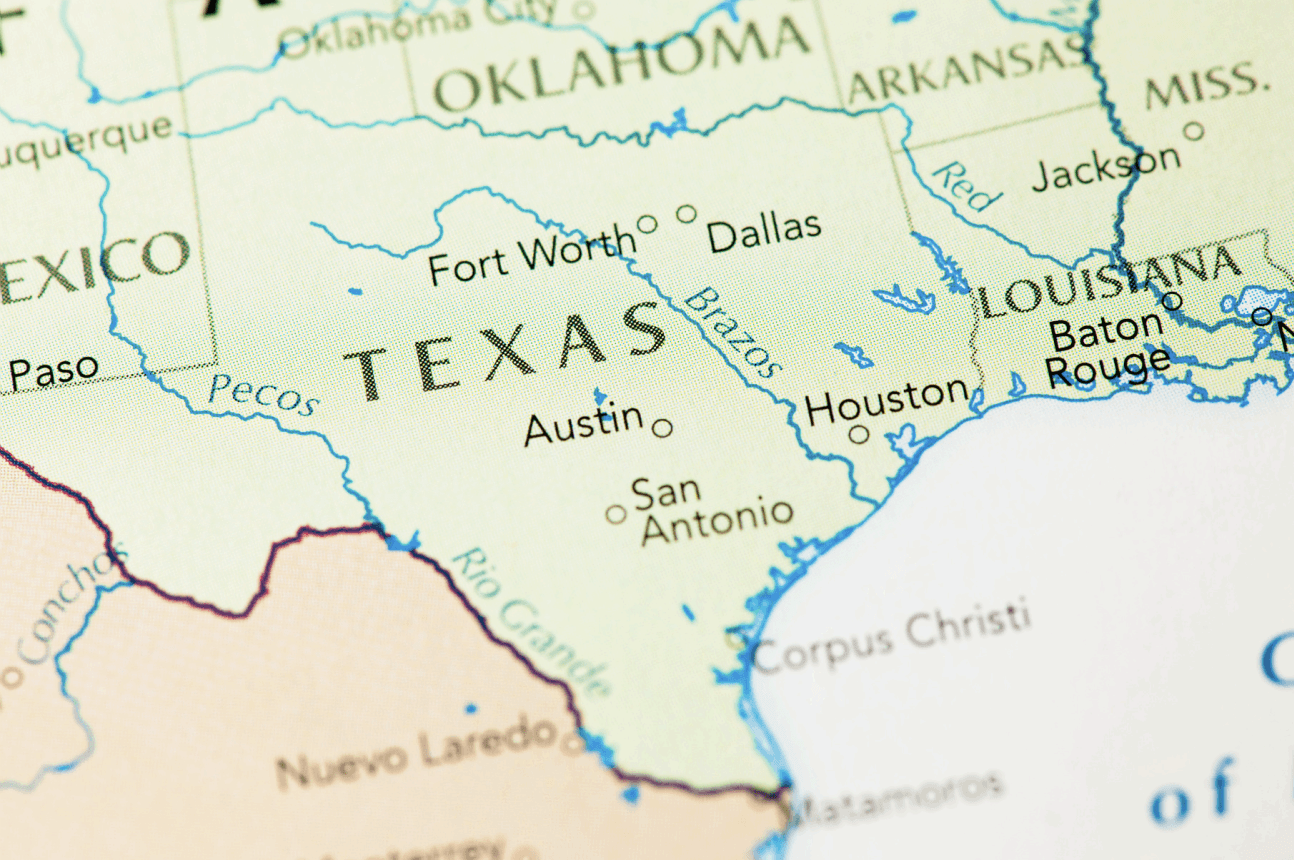


Specialized incentives also support key industries like clean energy, semiconductors, research and development, and small business innovation. Programs such as the R&D tax credit, SBIR/STTR matching grants, renewable energy incentives, and federal-aligned initiatives through the Texas CHIPS Office help companies invest in innovation and long-term growth. Local governments additionally offer customized agreements, tax abatements, and infrastructure improvements through their economic development corporations. Together, these programs create a business environment where companies of all sizes can thrive, innovate, and scale within the Lone Star State.

Reference: https://businessintexas.com/business-growth-and-expansion/what-incentives-are-available-for-businesses-in-texas/

Dec 26, 2025

Why Texas Leads: Key Incentives Supporting Business Growth and Expansion

Texas offers a broad range of incentives that help businesses reduce costs, expand operations, and strengthen their workforce. These programs span financial grants, tax exemptions, workforce development funding, and infrastructure support. Whether a company is a startup, a large-scale manufacturer, or a relocating corporation, Texas provides targeted benefits such as the Texas Enterprise Fund for competitive relocation projects, sales and property tax incentives for manufacturing and capital investment, and the Skills Development Fund to train or upskill employees through partnerships with community colleges. Many of these incentives can be layered together, allowing businesses to combine state, local, and federal programs for maximum impact.

Specialized incentives also support key industries like clean energy, semiconductors, research and development, and small business innovation. Programs such as the R&D tax credit, SBIR/STTR matching grants, renewable energy incentives, and federal-aligned initiatives through the Texas CHIPS Office help companies invest in innovation and long-term growth. Local governments additionally offer customized agreements, tax abatements, and infrastructure improvements through their economic development corporations. Together, these programs create a business environment where companies of all sizes can thrive, innovate, and scale within the Lone Star State.

Reference: https://businessintexas.com/business-growth-and-expansion/what-incentives-are-available-for-businesses-in-texas/

Dec 26, 2025

Why Texas Leads: Key Incentives Supporting Business Growth and Expansion

Texas offers a broad range of incentives that help businesses reduce costs, expand operations, and strengthen their workforce. These programs span financial grants, tax exemptions, workforce development funding, and infrastructure support. Whether a company is a startup, a large-scale manufacturer, or a relocating corporation, Texas provides targeted benefits such as the Texas Enterprise Fund for competitive relocation projects, sales and property tax incentives for manufacturing and capital investment, and the Skills Development Fund to train or upskill employees through partnerships with community colleges. Many of these incentives can be layered together, allowing businesses to combine state, local, and federal programs for maximum impact.

Specialized incentives also support key industries like clean energy, semiconductors, research and development, and small business innovation. Programs such as the R&D tax credit, SBIR/STTR matching grants, renewable energy incentives, and federal-aligned initiatives through the Texas CHIPS Office help companies invest in innovation and long-term growth. Local governments additionally offer customized agreements, tax abatements, and infrastructure improvements through their economic development corporations. Together, these programs create a business environment where companies of all sizes can thrive, innovate, and scale within the Lone Star State.

Reference: https://businessintexas.com/business-growth-and-expansion/what-incentives-are-available-for-businesses-in-texas/

Frequently Asked Questions

Does QBS Consulting work with government agencies and local municipalities?

Does QBS Consulting work with government agencies and local municipalities?

Does QBS Consulting work with government agencies and local municipalities?

Can QBS help international companies establish U.S. manufacturing operations?

Can QBS help international companies establish U.S. manufacturing operations?

Can QBS help international companies establish U.S. manufacturing operations?

What industries does QBS Consulting serve?

What industries does QBS Consulting serve?

What industries does QBS Consulting serve?

How does QBS help companies secure economic incentives in Texas?

How does QBS help companies secure economic incentives in Texas?

How does QBS help companies secure economic incentives in Texas?

What is industrial localization and why do international companies need it?

What is industrial localization and why do international companies need it?

What is industrial localization and why do international companies need it?

Ready to Begin Your U.S. Expansion?

Contact QBS Consulting Group to discuss your market entry objectives. Our  team will assess your needs and outline how we can support your success.

Contact

16001 Park Ten Pl, Houston, TX 77084

Email: info@qbsus.com

Phone: +1 713-714-7777

Designed and maintained by

Site&Sold

Ready to Begin Your U.S. Expansion?

Contact QBS Consulting Group to discuss your market entry objectives. Our  team will assess your needs and outline how we can support your success.

Contact

16001 Park Ten Pl, Houston, TX 77084

Email: info@qbsus.com

Phone: +1 713-714-7777

Designed and maintained by

Site&Sold

Ready to Begin Your U.S. Expansion?

Contact QBS Consulting Group to discuss your market entry objectives. Our  team will assess your needs and outline how we can support your success.

Contact

16001 Park Ten Pl, Houston, TX 77084

Email: info@qbsus.com

Phone: +1 713-714-7777

Designed and maintained by

Site&Sold