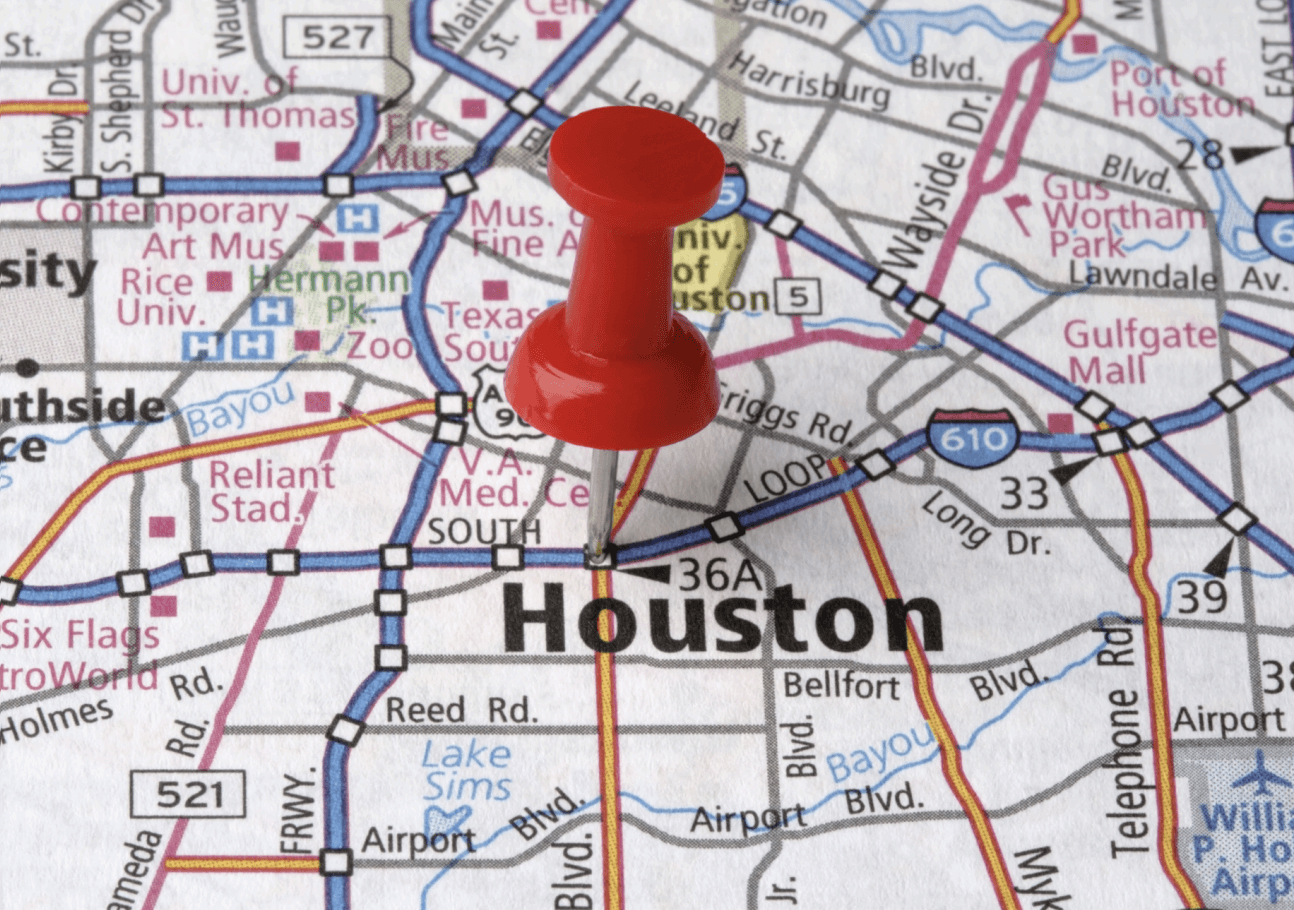
Why Houston is the Ideal Choice: Unique and Diverse Culture

MENU

Houston is widely recognized as one of the nation’s youngest, fastest growing, and most diverse cities, placing 4th largest city in the U.S. Its unique and diverse community makes it an exceptional choice for businesses seeking a culturally rich and inclusive environment. Home to over 145 languages and a vibrant mix of cultures, the city offers unparalleled opportunities to connect with various perspectives and talents. This diversity fosters creativity, innovation, and collaboration, making Houston a standout destination for thriving businesses.

Diverse Communities:

In 2024, Houston’s ethnic makeup compiled a diverse racial composition including but not limited to:

White: 40.82%

Black or African American: 22.41%

Two or more races: 14.85%

Other race: 14.26%

Asian: 6.88%

Native American: 0.72%

Native Hawaiian or Pacific Islander: 0.05%

Cultural Experiences:

With almost 7% of the population being the Asian community, Houston showcases Asian culture all over the city. The best place to experience Asian culture in Houston is in Chinatown. Houston’s Chinatown compiles several ethnic places, such as a food market and a wide variety of Asian cuisine restaurants. If you’re looking for something specific, Chinatown is the place to be.

Immigrant Population:

More than 28% of Houston’s residents were born outside the United States, highlighting the city’s global diversity. Immigrants are essential to Houston’s economy, contributing significantly across industries such as construction, manufacturing, and professional services.

George Bush Intercontinental Airport:

The George Bush Intercontinental Airport is located in Houston and handles over 45 million passengers annually, offering more than 150 international direct flights. Not only does this airport allow indefinite access all over the world, but it’s also well known for its cultural significance, including a public art collection and a fine arts program that offers live music five days a week.

William P. Hobby Airport:

Located just 7 miles southeast of downtown Houston, William P. Hobby Airport serves as a convenient and efficient travel hub for over 14 million passengers annually. Primarily a domestic airport, Hobby also offers a growing number of international flights, including destinations in Latin America and the Caribbean. Known for its traveler-friendly design, Hobby Airport features modern facilities, including an international concourse, and is a major hub for Southwest Airlines. Beyond its functionality, the airport highlights Houston’s vibrant culture with art displays and exhibits, making it a gateway to the city’s rich heritage.

Port of Houston:

The Houston Ship Channel complex and its more than 200 private and eight public terminals, collectively known as the Port of Houston, is the nation’s largest port for waterborne tonnage and an essential economic engine for the Houston region, the state of Texas, and the U.S. A 2022 study by Martin Associates reports that business activity at the Port of Houston supports 1.54M jobs throughout the state of Texas and 3.37M jobs nationwide. This activity helps generate more than $439B in statewide economic value and $906B in nationwide economic value. Moreover, the Houston Ship Channel contributes nearly $10.6B in state and local tax revenue and $62.8B in national tax revenue.

Conclusion:

Houston’s exceptional diversity, thriving cultural landscape, and global connectivity position it as a top-tier choice for businesses and residents alike. The city’s dynamic mix of over 145 languages and vibrant immigrant community fuels innovation and collaboration.

Houston’s global reach is enhanced by its two major airports: George Bush Intercontinental Airport, handling over 45 million passengers annually with more than 150 international direct flights, and William P. Hobby Airport, a convenient hub for over 14 million travelers annually, offering both domestic and international connections. Additionally, the Port of Houston, the largest in the U.S. for waterborne tonnage, drives economic growth by supporting millions of jobs and facilitating global trade.

This blend of cultural richness, international accessibility, and economic opportunity makes Houston a thriving hub for innovation, business expansion, and personal growth. It’s a city where diverse perspectives meet to create a future of endless possibilities.

References:

https://worldpopulationreview.com/us-cities/texas/houston

https://wallethub.com/edu/most-diverse-cities/12690

https://www.houstonartsalliance.com/news/eight-new-art-installations-at-iah

https://porthouston.com/business/become-a-customer/business-overview/

Published on:

January 2, 2026

Other Related Articles

Jan 2, 2026

Industrial Market Trends 2024

As we approach 2024, the manufacturing industry is facing a period of uncertainty despite some recovery from the pandemic. In this context, 86% of executives view smart factory solutions as critical for the industry’s success. These solutions leverage cutting-edge technologies such as the Internet of Things (IoT), artificial intelligence (AI), and big data analytics to optimize production processes and enhance the overall efficiency of manufacturing operations. However, the adoption of these solutions is not without its challenges. One of the major roadblocks is the shortage of skilled labor, which can hinder the implementation of smart factory solutions and limit their potential impact. Therefore, companies need to invest in training and educating their workforce to leverage these technologies effectively. By doing so, they can ensure that they remain competitive in an ever-evolving landscape and continue to deliver value to their customers.

By embracing smart technology, promoting sustainable practices, and forging strategic partnerships, we can effectively address the challenges related to labor and economic stability. It is important that we remain optimistic and confident in our approach, as this is the key to achieving success in our endeavors.

Digital technology is crucial for manufacturing, addressing pandemic challenges. This involves: 

  1. Enhanced capabilities: Automation, AI, and machine learning improve productivity and quality. Vision systems and connected sensors boost performance. 

  2. Scalability and profit: Investing in digital tech ensures long-term profitability. Delaying upgrades risks falling behind. 

  3. Ongoing investment: Manufacturers see benefits and commit to staying competitive, enhancing productivity, and quality through digital investments. 

Supply chain issues post-pandemic persist. Strategies for improvement: 

  1. Strengthen supplier relationships. 

  2. Consider local sourcing to reduce dependence on international suppliers. 3. Embrace supply chain technology for efficiency and real-time insights. 

Attracting and retaining skilled workers is a challenge for manufacturers. Here are effective approaches: 

  1. Competitive wages: Offer higher salaries and attractive raises to bridge the skills gap and attract talent. 

  2. Upskilling and reskilling: Invest in training to help current employees adapt to new technology, boosting loyalty and value. 

  3. Positive workplace culture: Provide perks and foster a supportive environment to enhance morale and retention. 

  4. Diversity initiatives: Support all demographics to improve workforce effectiveness. 

Citation: 

https://www.advancedtech.com/

Jan 2, 2026

Industrial Market Trends 2024

As we approach 2024, the manufacturing industry is facing a period of uncertainty despite some recovery from the pandemic. In this context, 86% of executives view smart factory solutions as critical for the industry’s success. These solutions leverage cutting-edge technologies such as the Internet of Things (IoT), artificial intelligence (AI), and big data analytics to optimize production processes and enhance the overall efficiency of manufacturing operations. However, the adoption of these solutions is not without its challenges. One of the major roadblocks is the shortage of skilled labor, which can hinder the implementation of smart factory solutions and limit their potential impact. Therefore, companies need to invest in training and educating their workforce to leverage these technologies effectively. By doing so, they can ensure that they remain competitive in an ever-evolving landscape and continue to deliver value to their customers.

By embracing smart technology, promoting sustainable practices, and forging strategic partnerships, we can effectively address the challenges related to labor and economic stability. It is important that we remain optimistic and confident in our approach, as this is the key to achieving success in our endeavors.

Digital technology is crucial for manufacturing, addressing pandemic challenges. This involves: 

  1. Enhanced capabilities: Automation, AI, and machine learning improve productivity and quality. Vision systems and connected sensors boost performance. 

  2. Scalability and profit: Investing in digital tech ensures long-term profitability. Delaying upgrades risks falling behind. 

  3. Ongoing investment: Manufacturers see benefits and commit to staying competitive, enhancing productivity, and quality through digital investments. 

Supply chain issues post-pandemic persist. Strategies for improvement: 

  1. Strengthen supplier relationships. 

  2. Consider local sourcing to reduce dependence on international suppliers. 3. Embrace supply chain technology for efficiency and real-time insights. 

Attracting and retaining skilled workers is a challenge for manufacturers. Here are effective approaches: 

  1. Competitive wages: Offer higher salaries and attractive raises to bridge the skills gap and attract talent. 

  2. Upskilling and reskilling: Invest in training to help current employees adapt to new technology, boosting loyalty and value. 

  3. Positive workplace culture: Provide perks and foster a supportive environment to enhance morale and retention. 

  4. Diversity initiatives: Support all demographics to improve workforce effectiveness. 

Citation: 

https://www.advancedtech.com/

Jan 2, 2026

Industrial Market Trends 2024

As we approach 2024, the manufacturing industry is facing a period of uncertainty despite some recovery from the pandemic. In this context, 86% of executives view smart factory solutions as critical for the industry’s success. These solutions leverage cutting-edge technologies such as the Internet of Things (IoT), artificial intelligence (AI), and big data analytics to optimize production processes and enhance the overall efficiency of manufacturing operations. However, the adoption of these solutions is not without its challenges. One of the major roadblocks is the shortage of skilled labor, which can hinder the implementation of smart factory solutions and limit their potential impact. Therefore, companies need to invest in training and educating their workforce to leverage these technologies effectively. By doing so, they can ensure that they remain competitive in an ever-evolving landscape and continue to deliver value to their customers.

By embracing smart technology, promoting sustainable practices, and forging strategic partnerships, we can effectively address the challenges related to labor and economic stability. It is important that we remain optimistic and confident in our approach, as this is the key to achieving success in our endeavors.

Digital technology is crucial for manufacturing, addressing pandemic challenges. This involves: 

  1. Enhanced capabilities: Automation, AI, and machine learning improve productivity and quality. Vision systems and connected sensors boost performance. 

  2. Scalability and profit: Investing in digital tech ensures long-term profitability. Delaying upgrades risks falling behind. 

  3. Ongoing investment: Manufacturers see benefits and commit to staying competitive, enhancing productivity, and quality through digital investments. 

Supply chain issues post-pandemic persist. Strategies for improvement: 

  1. Strengthen supplier relationships. 

  2. Consider local sourcing to reduce dependence on international suppliers. 3. Embrace supply chain technology for efficiency and real-time insights. 

Attracting and retaining skilled workers is a challenge for manufacturers. Here are effective approaches: 

  1. Competitive wages: Offer higher salaries and attractive raises to bridge the skills gap and attract talent. 

  2. Upskilling and reskilling: Invest in training to help current employees adapt to new technology, boosting loyalty and value. 

  3. Positive workplace culture: Provide perks and foster a supportive environment to enhance morale and retention. 

  4. Diversity initiatives: Support all demographics to improve workforce effectiveness. 

Citation: 

https://www.advancedtech.com/

Ready to Begin Your U.S. Expansion?

Contact QBS Consulting Group to discuss your market entry objectives. Our  team will assess your needs and outline how we can support your success.

Contact

16001 Park Ten Pl, Houston, TX 77084

Email: info@qbsus.com

Phone: +1 713-714-7777

Designed and maintained by

Site&Sold

Ready to Begin Your U.S. Expansion?

Contact QBS Consulting Group to discuss your market entry objectives. Our  team will assess your needs and outline how we can support your success.

Contact

16001 Park Ten Pl, Houston, TX 77084

Email: info@qbsus.com

Phone: +1 713-714-7777

Designed and maintained by

Site&Sold

Ready to Begin Your U.S. Expansion?

Contact QBS Consulting Group to discuss your market entry objectives. Our  team will assess your needs and outline how we can support your success.

Contact

16001 Park Ten Pl, Houston, TX 77084

Email: info@qbsus.com

Phone: +1 713-714-7777

Designed and maintained by

Site&Sold