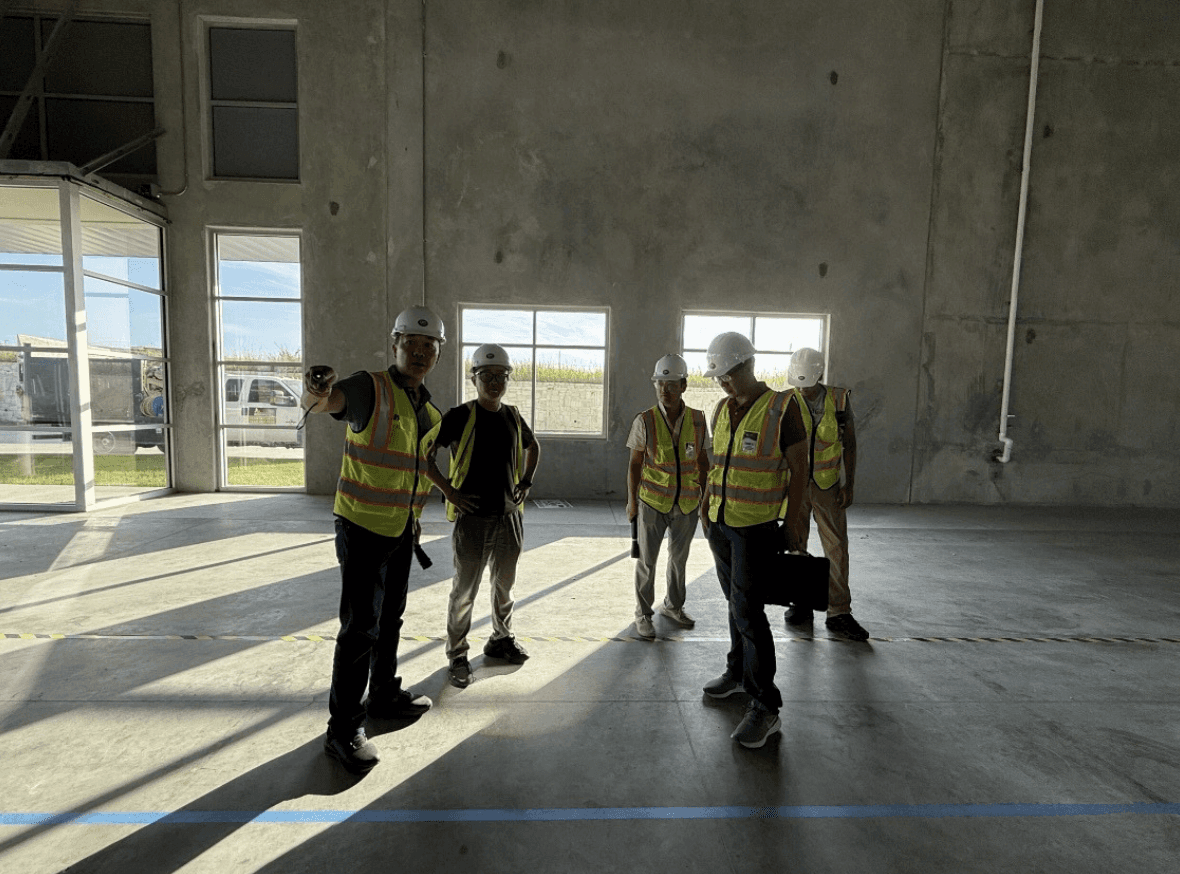
Community Relations & Local Partnership Development

Build Lasting Community Relationships

Strategic community engagement that supports operational success and long-term growth
What Is Community Relations & Local Partnership Development?

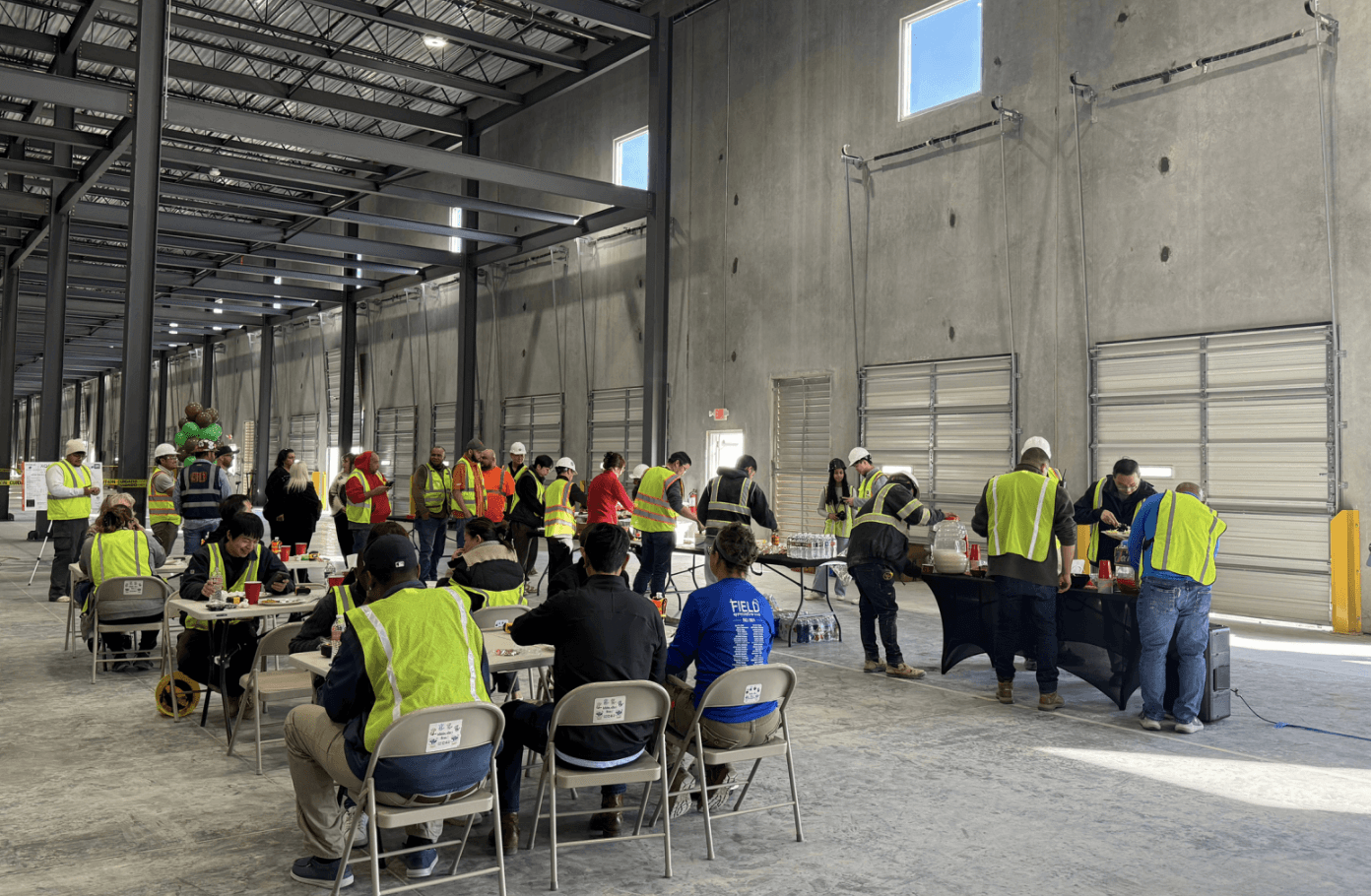
Successful manufacturing operations are embedded in their communities. Positive relationships with local stakeholders—residents, businesses, officials, civic organizations, and educational institutions—support permitting approvals, workforce recruitment, operational flexibility, and long-term growth. Community opposition can delay projects, increase costs, and constrain future expansion. QBS Consulting Group helps manufacturers establish positive community presence from the start of their U.S. operations. We facilitate introductions to local stakeholders, help you understand community priorities and concerns, develop engagement strategies that build support, and connect you with partnership opportunities that benefit both your operations and the community. For manufacturers unfamiliar with American community dynamics, strategic community engagement can differentiate your company as a valued corporate citizen rather than an unknown foreign entity. Early, authentic engagement establishes goodwill that supports your operations throughout their lifecycle.

STEP BY STEP GUIDE

How do Community Relations & Local Partnership Development Work?

1. Community Assessment

We analyze community characteristics, stakeholder landscape, potential concerns, and engagement opportunities relevant to your project.

1. Community Assessment

We analyze community characteristics, stakeholder landscape, potential concerns, and engagement opportunities relevant to your project.

2. Engagement Strategy

We develop a community relations plan identifying key stakeholders, messaging approaches, engagement activities, and timeline.

2. Engagement Strategy

We develop a community relations plan identifying key stakeholders, messaging approaches, engagement activities, and timeline.

3. Stakeholder Introductions

We facilitate meetings with local officials, business leaders, civic organizations, educational institutions, and other relevant stakeholders.

3. Stakeholder Introductions

We facilitate meetings with local officials, business leaders, civic organizations, educational institutions, and other relevant stakeholders.

4. Partnership Development

We identify and help establish partnerships with local organizations that advance mutual interests and demonstrate community commitment.

4. Partnership Development

We identify and help establish partnerships with local organizations that advance mutual interests and demonstrate community commitment.

5. Ongoing Relations

We help establish systems for maintaining positive community relationships through operations and growth.

5. Ongoing Relations

We help establish systems for maintaining positive community relationships through operations and growth.

How QBS Can Help You with Community Relations & Local Partnership Development

Local Knowledge

Understanding of Texas and other states, their priorities, and effective engagement approaches.

Cultural Bridge

Helping manufacturers communicate effectively with American community stakeholders

Established Relationships

Existing connections with local officials, EDCs, chambers of commerce, and civic organizations

Long-term Perspective

Focus on building relationships that support operations throughout their lifecycle, not just during construction

Read Our Latest Insights

Dec 24, 2025

Built Different: Texas Proves Its Economic Power

Texas is not just growing, it is surging ahead, and the evidence is undeniable. With the launch of the TexStats Regional Data Dashboard by Acting Comptroller Kelly Hancock in Tyler, Texans now have a powerful new way to see exactly how their state is outperforming the rest of the country. The interactive platform offers detailed insight into population trends, workforce data, trade activity, infrastructure, and regional economic performance across all 12 designated economic regions. What it reveals is a state firing on all cylinders. The Tyler metropolitan area has posted 19 percent real GDP growth since 2017, beating national gains, while the surrounding Upper East region has attracted about 56,000 new residents in just a few years.

Texas’ dominance in trade further separates it from the pack. In Fort Worth, AllianceTexas plays a critical role in moving goods across the country, generating billions in economic output and supporting more than 136,000 jobs. On the Gulf Coast, the Port of Corpus Christi stands as a cornerstone of international commerce, responsible for 21 percent of the state’s seaport trade and an astounding 487 percent growth in activity since 2016.

Meanwhile, innovation is reshaping entire regions. Abilene’s Stargate data center project is fueling thousands of construction jobs today and long term employment tomorrow, while the city’s GDP growth has consistently outpaced the national average. Layer in the 5.1 million Texans employed by small businesses statewide, and the picture becomes clear. From thriving small towns to world class trade corridors and cutting edge technology investments, Texas is not following national trends, it is setting them.

Reference: https://comptroller.texas.gov/economy/fiscal-notes/economics/2026/texstat-story/

Dec 24, 2025

Built Different: Texas Proves Its Economic Power

Texas is not just growing, it is surging ahead, and the evidence is undeniable. With the launch of the TexStats Regional Data Dashboard by Acting Comptroller Kelly Hancock in Tyler, Texans now have a powerful new way to see exactly how their state is outperforming the rest of the country. The interactive platform offers detailed insight into population trends, workforce data, trade activity, infrastructure, and regional economic performance across all 12 designated economic regions. What it reveals is a state firing on all cylinders. The Tyler metropolitan area has posted 19 percent real GDP growth since 2017, beating national gains, while the surrounding Upper East region has attracted about 56,000 new residents in just a few years.

Texas’ dominance in trade further separates it from the pack. In Fort Worth, AllianceTexas plays a critical role in moving goods across the country, generating billions in economic output and supporting more than 136,000 jobs. On the Gulf Coast, the Port of Corpus Christi stands as a cornerstone of international commerce, responsible for 21 percent of the state’s seaport trade and an astounding 487 percent growth in activity since 2016.

Meanwhile, innovation is reshaping entire regions. Abilene’s Stargate data center project is fueling thousands of construction jobs today and long term employment tomorrow, while the city’s GDP growth has consistently outpaced the national average. Layer in the 5.1 million Texans employed by small businesses statewide, and the picture becomes clear. From thriving small towns to world class trade corridors and cutting edge technology investments, Texas is not following national trends, it is setting them.

Reference: https://comptroller.texas.gov/economy/fiscal-notes/economics/2026/texstat-story/

Dec 24, 2025

Industrial Market Trends 2026

As we approach 2026, the manufacturing industry is facing a period of uncertainty despite some recovery from the pandemic. In this context, 86% of executives view smart factory solutions as critical for the industry’s success. These solutions leverage cutting-edge technologies such as the Internet of Things (IoT), artificial intelligence (AI), and big data analytics to optimize production processes and enhance the overall efficiency of manufacturing operations. However, the adoption of these solutions is not without its challenges. One of the major roadblocks is the shortage of skilled labor, which can hinder the implementation of smart factory solutions and limit their potential impact. Therefore, companies need to invest in training and educating their workforce to leverage these technologies effectively. By doing so, they can ensure that they remain competitive in an ever-evolving landscape and continue to deliver value to their customers.

By embracing smart technology, promoting sustainable practices, and forging strategic partnerships, we can effectively address the challenges related to labor and economic stability. It is important that we remain optimistic and confident in our approach, as this is the key to achieving success in our endeavors.

Digital technology is crucial for manufacturing, addressing pandemic challenges. This involves: 

  1. Enhanced capabilities: Automation, AI, and machine learning improve productivity and quality. Vision systems and connected sensors boost performance. 

  2. Scalability and profit: Investing in digital tech ensures long-term profitability. Delaying upgrades risks falling behind. 

  3. Ongoing investment: Manufacturers see benefits and commit to staying competitive, enhancing productivity, and quality through digital investments. 

Supply chain issues post-pandemic persist. Strategies for improvement: 

  1. Strengthen supplier relationships. 

  2. Consider local sourcing to reduce dependence on international suppliers. 3. Embrace supply chain technology for efficiency and real-time insights. 

Attracting and retaining skilled workers is a challenge for manufacturers. Here are effective approaches: 

  1. Competitive wages: Offer higher salaries and attractive raises to bridge the skills gap and attract talent. 

  2. Upskilling and reskilling: Invest in training to help current employees adapt to new technology, boosting loyalty and value. 

  3. Positive workplace culture: Provide perks and foster a supportive environment to enhance morale and retention. 

  4. Diversity initiatives: Support all demographics to improve workforce effectiveness. 

Citation: 

https://www.advancedtech.com/

Dec 24, 2025

Industrial Market Trends 2026

As we approach 2026, the manufacturing industry is facing a period of uncertainty despite some recovery from the pandemic. In this context, 86% of executives view smart factory solutions as critical for the industry’s success. These solutions leverage cutting-edge technologies such as the Internet of Things (IoT), artificial intelligence (AI), and big data analytics to optimize production processes and enhance the overall efficiency of manufacturing operations. However, the adoption of these solutions is not without its challenges. One of the major roadblocks is the shortage of skilled labor, which can hinder the implementation of smart factory solutions and limit their potential impact. Therefore, companies need to invest in training and educating their workforce to leverage these technologies effectively. By doing so, they can ensure that they remain competitive in an ever-evolving landscape and continue to deliver value to their customers.

By embracing smart technology, promoting sustainable practices, and forging strategic partnerships, we can effectively address the challenges related to labor and economic stability. It is important that we remain optimistic and confident in our approach, as this is the key to achieving success in our endeavors.

Digital technology is crucial for manufacturing, addressing pandemic challenges. This involves: 

  1. Enhanced capabilities: Automation, AI, and machine learning improve productivity and quality. Vision systems and connected sensors boost performance. 

  2. Scalability and profit: Investing in digital tech ensures long-term profitability. Delaying upgrades risks falling behind. 

  3. Ongoing investment: Manufacturers see benefits and commit to staying competitive, enhancing productivity, and quality through digital investments. 

Supply chain issues post-pandemic persist. Strategies for improvement: 

  1. Strengthen supplier relationships. 

  2. Consider local sourcing to reduce dependence on international suppliers. 3. Embrace supply chain technology for efficiency and real-time insights. 

Attracting and retaining skilled workers is a challenge for manufacturers. Here are effective approaches: 

  1. Competitive wages: Offer higher salaries and attractive raises to bridge the skills gap and attract talent. 

  2. Upskilling and reskilling: Invest in training to help current employees adapt to new technology, boosting loyalty and value. 

  3. Positive workplace culture: Provide perks and foster a supportive environment to enhance morale and retention. 

  4. Diversity initiatives: Support all demographics to improve workforce effectiveness. 

Citation: 

https://www.advancedtech.com/

Dec 24, 2025

Austin’s Economy Holds Strong: Record VC Funding, Steady Consumer Activity, and Cooling Inflation in 2025

Austin’s November economic update is shorter than usual due to limited federal data releases during the government shutdown, but several key local indicators still highlight strong regional performance. Venture capital investment is a major bright spot: Austin companies raised a record $3.2B in Q3 2025 and $6.8B year-to-date, ranking fifth nationwide and nearly surpassing the city’s best year on record. Patent activity remains strong, with Austin inventors contributing about 30% of statewide patents despite representing only 8% of Texas’s population. Airport traffic also shows resilience, with August marking the third-busiest August ever and passenger counts rising year-over-year, despite slight declines in year-to-date totals. Meanwhile, sales tax receipts show mixed results, with Austin slightly down YTD and surrounding cities showing varied performance, while statewide collections remain up.

In the housing market, Austin home sales remain below 2021 peaks but show slight improvement, with September 2025 sales up 16% year-over-year, even as year-to-date totals remain marginally lower than last year. Average home prices dipped from the previous year but remain relatively stable overall. Cargo activity at the Austin airport has softened in 2025 after hitting a record high in 2022, while inflation continues to cool from its 2022 peak. National CPI rose 3.0% year-over-year in September, with energy, medical services, shelter, and food driving increases; regional inflation in Dallas and Houston remains below national averages. Together, these indicators illustrate an economy with strong innovation investment and steady consumer activity, despite uneven trends in housing, cargo, and tax revenue.

Dec 24, 2025

Austin’s Economy Holds Strong: Record VC Funding, Steady Consumer Activity, and Cooling Inflation in 2025

Austin’s November economic update is shorter than usual due to limited federal data releases during the government shutdown, but several key local indicators still highlight strong regional performance. Venture capital investment is a major bright spot: Austin companies raised a record $3.2B in Q3 2025 and $6.8B year-to-date, ranking fifth nationwide and nearly surpassing the city’s best year on record. Patent activity remains strong, with Austin inventors contributing about 30% of statewide patents despite representing only 8% of Texas’s population. Airport traffic also shows resilience, with August marking the third-busiest August ever and passenger counts rising year-over-year, despite slight declines in year-to-date totals. Meanwhile, sales tax receipts show mixed results, with Austin slightly down YTD and surrounding cities showing varied performance, while statewide collections remain up.

In the housing market, Austin home sales remain below 2021 peaks but show slight improvement, with September 2025 sales up 16% year-over-year, even as year-to-date totals remain marginally lower than last year. Average home prices dipped from the previous year but remain relatively stable overall. Cargo activity at the Austin airport has softened in 2025 after hitting a record high in 2022, while inflation continues to cool from its 2022 peak. National CPI rose 3.0% year-over-year in September, with energy, medical services, shelter, and food driving increases; regional inflation in Dallas and Houston remains below national averages. Together, these indicators illustrate an economy with strong innovation investment and steady consumer activity, despite uneven trends in housing, cargo, and tax revenue.

Frequently Asked Questions

How do you measure community relations success?

What if community members oppose our project?

Do you support community relations outside of Texas?

How do you help build community relationships?

Why is community relations important for manufacturers?

Ready to Build Your Next American Facility?

Contact QBS Consulting Group to discuss your manufacturing objectives.

Contact

16001 Park Ten Place, ste. 200

Houston, TX 77084

Email: info@qbsus.com

Phone: +1-832-718-7777

Designed and maintained by

Site&Sold

Ready to Build Your Next American Facility?

Contact QBS Consulting Group to discuss your manufacturing objectives.

Contact

16001 Park Ten Place, ste. 200

Houston, TX 77084

Email: info@qbsus.com

Phone: +1-832-718-7777

Designed and maintained by

Site&Sold

Ready to Build Your Next American Facility?

Contact QBS Consulting Group to discuss your manufacturing objectives.

Contact

16001 Park Ten Place, ste. 200

Houston, TX 77084

Email: info@qbsus.com

Phone: +1-832-718-7777

Designed and maintained by

Site&Sold

MENU