Legal & Tax Coordination

Legal & Tax Coordination

Coordinating expert advisors to optimize your corporate structure and ensure regulatory compliance.

What is Legal & Tax Coordination Service?

Establishing U.S. operations requires careful attention to corporate structure, tax planning, employment law, and regulatory compliance. manufacturers face additional complexity around transfer pricing, treaty considerations, and coordination between home country and U.S. requirements. QBS Consulting Group serves as coordinator and facilitator for your legal and tax advisory needs. We connect you with qualified professionals, ensure advisors understand your project context, and integrate their recommendations into your overall market entry strategy. Our role is project management and integration rather than legal or tax advice directly.

STEP BY STEP GUIDE

How do Legal & Tax Coordination Work?

1. Requirements Assessment

We identify legal and tax considerations relevant to your project scope and corporate situation.

1. Requirements Assessment

We identify legal and tax considerations relevant to your project scope and corporate situation.

2. Advisor Selection

We recommend qualified legal and tax professionals with relevant expertise and facilitate introductions.

2. Advisor Selection

We recommend qualified legal and tax professionals with relevant expertise and facilitate introductions.

3. Context Provision

We ensure advisors understand your project timeline, objectives, and constraints.

3. Context Provision

We ensure advisors understand your project timeline, objectives, and constraints.

4. Integration Management

We incorporate legal and tax recommendations into overall project planning and execution.

4. Integration Management

We incorporate legal and tax recommendations into overall project planning and execution.

5. Ongoing Coordination

We maintain communication among advisors to ensure consistent approach.

5. Ongoing Coordination

We maintain communication among advisors to ensure consistent approach.

How QBS Can Help You with Legal & Tax Coordination
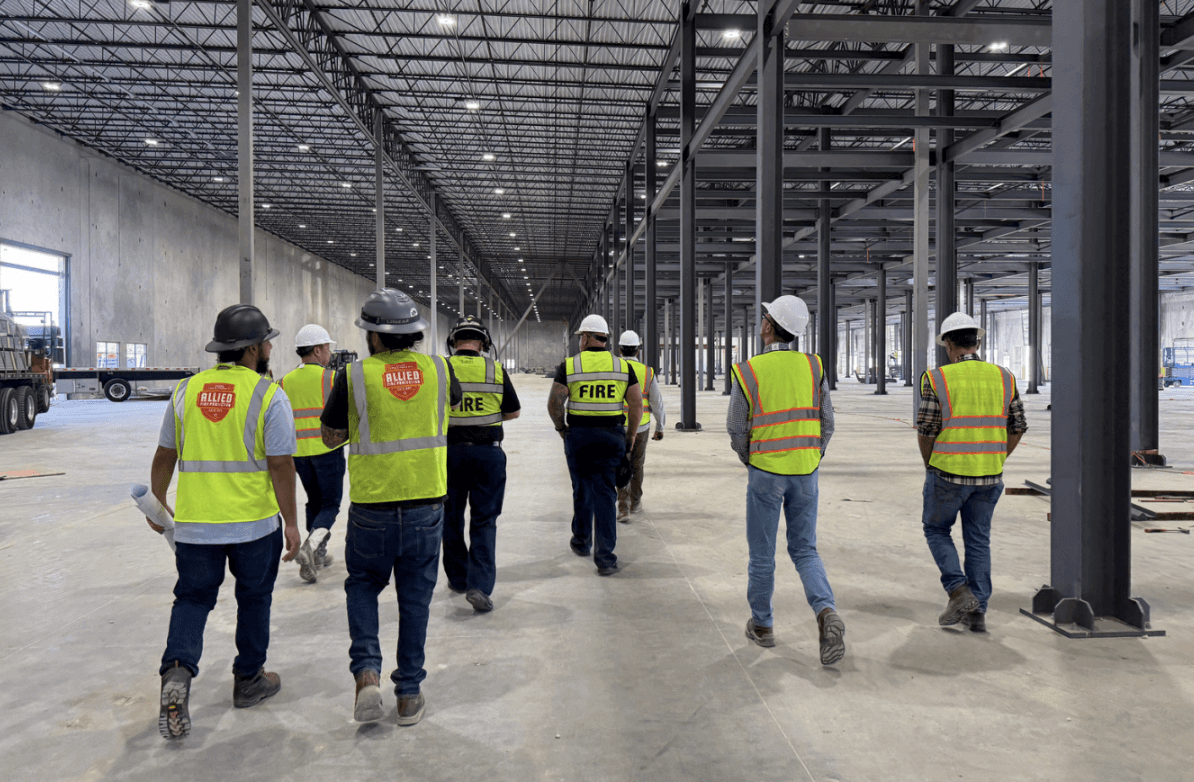
Advisor Network

Our experience has built relationships with legal and tax professionals experienced in international business and industrial projects.

Integration Focus

We connect legal and tax planning with operational decisions rather than treating them as isolated workstreams.

Project Context

We ensure advisors understand how their recommendations fit within broader project requirements.

International Experience

We understand challenges manufacturers face and can translate between headquarters expectations and U.S. advisor recommendations.

Read Our Latest Insights

Dec 24, 2025

Texas Rising: America’s Premier Destination for Business Growth and Capital

Texas has built one of the most competitive business environments in the country by combining tax advantages, regulatory modernization, and targeted economic development incentives. With no personal income tax and no traditional corporate income tax, instead relying on a competitive franchise tax structure, the state offers companies cost predictability and meaningful after tax advantages. Programs such as the Texas Enterprise Fund and the Texas Jobs, Energy, Technology, and Innovation program provide performance based incentives that help secure major relocations and expansions. The creation of the Texas Business Court and updates to corporate governance laws have also strengthened legal certainty, reinforcing Texas’s reputation as a pro growth and business friendly state.

These policies are producing measurable results across financial services, advanced manufacturing, and capital markets. Texas now leads the nation in financial services employment and has achieved rapid sector growth over the past decade. Major financial institutions continue expanding their Texas operations, supported by a growing workforce and strong consumer base. The launch of new Texas based stock exchanges and continued investment in semiconductor manufacturing further position the state as a center for innovation, capital formation, and long term economic expansion.

Reference: https://pfnyc.org/research/texas-s-competitive-edge

Dec 24, 2025

Texas Rising: America’s Premier Destination for Business Growth and Capital

Texas has built one of the most competitive business environments in the country by combining tax advantages, regulatory modernization, and targeted economic development incentives. With no personal income tax and no traditional corporate income tax, instead relying on a competitive franchise tax structure, the state offers companies cost predictability and meaningful after tax advantages. Programs such as the Texas Enterprise Fund and the Texas Jobs, Energy, Technology, and Innovation program provide performance based incentives that help secure major relocations and expansions. The creation of the Texas Business Court and updates to corporate governance laws have also strengthened legal certainty, reinforcing Texas’s reputation as a pro growth and business friendly state.

These policies are producing measurable results across financial services, advanced manufacturing, and capital markets. Texas now leads the nation in financial services employment and has achieved rapid sector growth over the past decade. Major financial institutions continue expanding their Texas operations, supported by a growing workforce and strong consumer base. The launch of new Texas based stock exchanges and continued investment in semiconductor manufacturing further position the state as a center for innovation, capital formation, and long term economic expansion.

Reference: https://pfnyc.org/research/texas-s-competitive-edge

Dec 24, 2025

Built Different: Texas Proves Its Economic Power

Texas is not just growing, it is surging ahead, and the evidence is undeniable. With the launch of the TexStats Regional Data Dashboard by Acting Comptroller Kelly Hancock in Tyler, Texans now have a powerful new way to see exactly how their state is outperforming the rest of the country. The interactive platform offers detailed insight into population trends, workforce data, trade activity, infrastructure, and regional economic performance across all 12 designated economic regions. What it reveals is a state firing on all cylinders. The Tyler metropolitan area has posted 19 percent real GDP growth since 2017, beating national gains, while the surrounding Upper East region has attracted about 56,000 new residents in just a few years.

Texas’ dominance in trade further separates it from the pack. In Fort Worth, AllianceTexas plays a critical role in moving goods across the country, generating billions in economic output and supporting more than 136,000 jobs. On the Gulf Coast, the Port of Corpus Christi stands as a cornerstone of international commerce, responsible for 21 percent of the state’s seaport trade and an astounding 487 percent growth in activity since 2016.

Meanwhile, innovation is reshaping entire regions. Abilene’s Stargate data center project is fueling thousands of construction jobs today and long term employment tomorrow, while the city’s GDP growth has consistently outpaced the national average. Layer in the 5.1 million Texans employed by small businesses statewide, and the picture becomes clear. From thriving small towns to world class trade corridors and cutting edge technology investments, Texas is not following national trends, it is setting them.

Reference: https://comptroller.texas.gov/economy/fiscal-notes/economics/2026/texstat-story/

Dec 24, 2025

Built Different: Texas Proves Its Economic Power

Texas is not just growing, it is surging ahead, and the evidence is undeniable. With the launch of the TexStats Regional Data Dashboard by Acting Comptroller Kelly Hancock in Tyler, Texans now have a powerful new way to see exactly how their state is outperforming the rest of the country. The interactive platform offers detailed insight into population trends, workforce data, trade activity, infrastructure, and regional economic performance across all 12 designated economic regions. What it reveals is a state firing on all cylinders. The Tyler metropolitan area has posted 19 percent real GDP growth since 2017, beating national gains, while the surrounding Upper East region has attracted about 56,000 new residents in just a few years.

Texas’ dominance in trade further separates it from the pack. In Fort Worth, AllianceTexas plays a critical role in moving goods across the country, generating billions in economic output and supporting more than 136,000 jobs. On the Gulf Coast, the Port of Corpus Christi stands as a cornerstone of international commerce, responsible for 21 percent of the state’s seaport trade and an astounding 487 percent growth in activity since 2016.

Meanwhile, innovation is reshaping entire regions. Abilene’s Stargate data center project is fueling thousands of construction jobs today and long term employment tomorrow, while the city’s GDP growth has consistently outpaced the national average. Layer in the 5.1 million Texans employed by small businesses statewide, and the picture becomes clear. From thriving small towns to world class trade corridors and cutting edge technology investments, Texas is not following national trends, it is setting them.

Reference: https://comptroller.texas.gov/economy/fiscal-notes/economics/2026/texstat-story/

Dec 24, 2025

Industrial Market Trends 2026

As we approach 2026, the manufacturing industry is facing a period of uncertainty despite some recovery from the pandemic. In this context, 86% of executives view smart factory solutions as critical for the industry’s success. These solutions leverage cutting-edge technologies such as the Internet of Things (IoT), artificial intelligence (AI), and big data analytics to optimize production processes and enhance the overall efficiency of manufacturing operations. However, the adoption of these solutions is not without its challenges. One of the major roadblocks is the shortage of skilled labor, which can hinder the implementation of smart factory solutions and limit their potential impact. Therefore, companies need to invest in training and educating their workforce to leverage these technologies effectively. By doing so, they can ensure that they remain competitive in an ever-evolving landscape and continue to deliver value to their customers.

By embracing smart technology, promoting sustainable practices, and forging strategic partnerships, we can effectively address the challenges related to labor and economic stability. It is important that we remain optimistic and confident in our approach, as this is the key to achieving success in our endeavors.

Digital technology is crucial for manufacturing, addressing pandemic challenges. This involves: 

  1. Enhanced capabilities: Automation, AI, and machine learning improve productivity and quality. Vision systems and connected sensors boost performance. 

  2. Scalability and profit: Investing in digital tech ensures long-term profitability. Delaying upgrades risks falling behind. 

  3. Ongoing investment: Manufacturers see benefits and commit to staying competitive, enhancing productivity, and quality through digital investments. 

Supply chain issues post-pandemic persist. Strategies for improvement: 

  1. Strengthen supplier relationships. 

  2. Consider local sourcing to reduce dependence on international suppliers. 3. Embrace supply chain technology for efficiency and real-time insights. 

Attracting and retaining skilled workers is a challenge for manufacturers. Here are effective approaches: 

  1. Competitive wages: Offer higher salaries and attractive raises to bridge the skills gap and attract talent. 

  2. Upskilling and reskilling: Invest in training to help current employees adapt to new technology, boosting loyalty and value. 

  3. Positive workplace culture: Provide perks and foster a supportive environment to enhance morale and retention. 

  4. Diversity initiatives: Support all demographics to improve workforce effectiveness. 

Citation: 

https://www.advancedtech.com/

Dec 24, 2025

Industrial Market Trends 2026

As we approach 2026, the manufacturing industry is facing a period of uncertainty despite some recovery from the pandemic. In this context, 86% of executives view smart factory solutions as critical for the industry’s success. These solutions leverage cutting-edge technologies such as the Internet of Things (IoT), artificial intelligence (AI), and big data analytics to optimize production processes and enhance the overall efficiency of manufacturing operations. However, the adoption of these solutions is not without its challenges. One of the major roadblocks is the shortage of skilled labor, which can hinder the implementation of smart factory solutions and limit their potential impact. Therefore, companies need to invest in training and educating their workforce to leverage these technologies effectively. By doing so, they can ensure that they remain competitive in an ever-evolving landscape and continue to deliver value to their customers.

By embracing smart technology, promoting sustainable practices, and forging strategic partnerships, we can effectively address the challenges related to labor and economic stability. It is important that we remain optimistic and confident in our approach, as this is the key to achieving success in our endeavors.

Digital technology is crucial for manufacturing, addressing pandemic challenges. This involves: 

  1. Enhanced capabilities: Automation, AI, and machine learning improve productivity and quality. Vision systems and connected sensors boost performance. 

  2. Scalability and profit: Investing in digital tech ensures long-term profitability. Delaying upgrades risks falling behind. 

  3. Ongoing investment: Manufacturers see benefits and commit to staying competitive, enhancing productivity, and quality through digital investments. 

Supply chain issues post-pandemic persist. Strategies for improvement: 

  1. Strengthen supplier relationships. 

  2. Consider local sourcing to reduce dependence on international suppliers. 3. Embrace supply chain technology for efficiency and real-time insights. 

Attracting and retaining skilled workers is a challenge for manufacturers. Here are effective approaches: 

  1. Competitive wages: Offer higher salaries and attractive raises to bridge the skills gap and attract talent. 

  2. Upskilling and reskilling: Invest in training to help current employees adapt to new technology, boosting loyalty and value. 

  3. Positive workplace culture: Provide perks and foster a supportive environment to enhance morale and retention. 

  4. Diversity initiatives: Support all demographics to improve workforce effectiveness. 

Citation: 

https://www.advancedtech.com/

Frequently Asked Questions

Does QBS provide legal or tax advice?

How do you help with legal and tax matters if you do not provide advice?

What legal and tax issues do manufacturers typically face when building in the U.S.?

Can you recommend attorneys and CPAs?

How does legal and tax coordination fit into the overall project?

Ready to Build Your Next American Facility?

Contact QBS Consulting Group to discuss your manufacturing objectives.

Contact

16001 Park Ten Place, ste. 200

Houston, TX 77084

Email: info@qbsus.com

Phone: +1-832-718-7777

Designed and maintained by

Site&Sold

Ready to Build Your Next American Facility?

Contact QBS Consulting Group to discuss your manufacturing objectives.

Contact

16001 Park Ten Place, ste. 200

Houston, TX 77084

Email: info@qbsus.com

Phone: +1-832-718-7777

Designed and maintained by

Site&Sold

Ready to Build Your Next American Facility?

Contact QBS Consulting Group to discuss your manufacturing objectives.

Contact

16001 Park Ten Place, ste. 200

Houston, TX 77084

Email: info@qbsus.com

Phone: +1-832-718-7777

Designed and maintained by

Site&Sold

MENU